

)
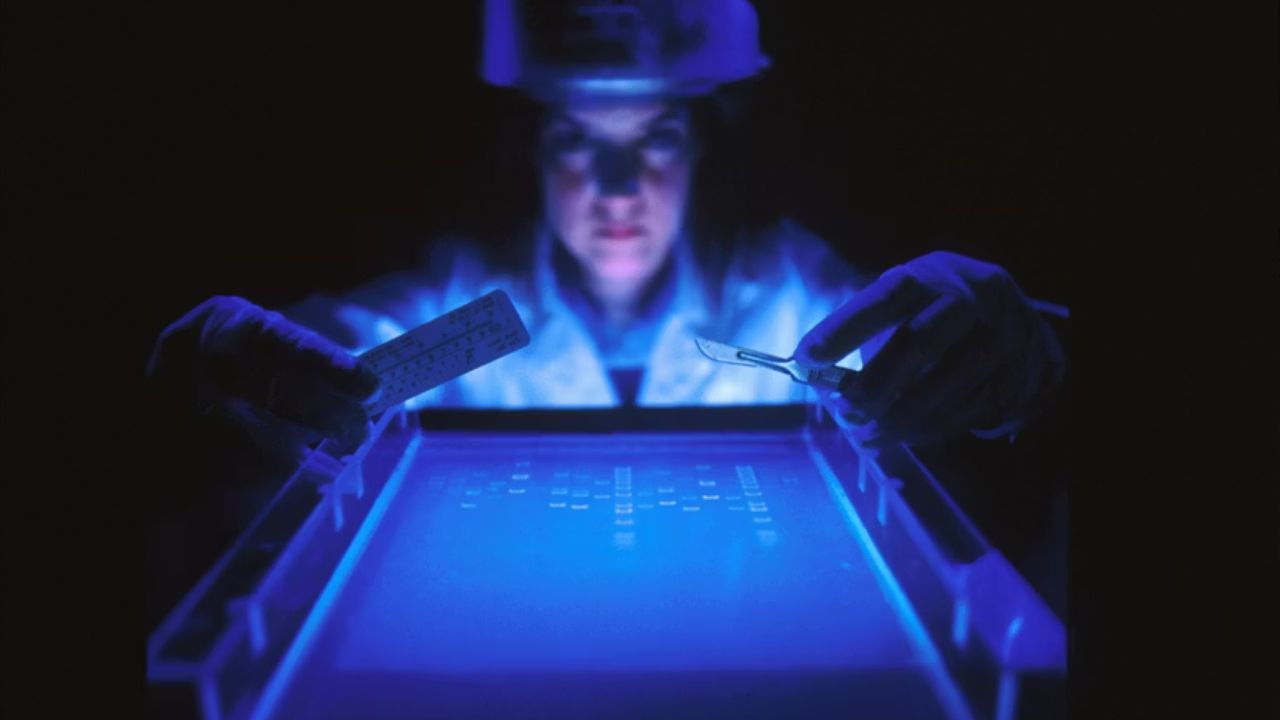
The Government Institute of Medical Sciences (GIMS) in Greater Noida has inaugurated the country's first artificial intelligence clinic. This is the country's first government-based AI clinic and experts consider it to be a major and significant step in integrating AI in the healthcare sector. According to a report in TOI, the clinic will use artificial intelligence and genetic screening to detect and treat serious diseases such as cancer and heart, kidney and liver ailments at an early stage. It will also analyse blood tests, carry out scans and use genetic data to predict diseases and assess recovery.
Brigadier (Dr.) Rakesh Kumar Gupta, director at GIMS said, "The clinic will use artificial intelligence along with genetic screening to analyse diagnostic inputs, including blood tests, imaging scans and other clinical data." AI tools will also analyse X-rays, ultrasounds, CT scans, MRI reports and laboratory investigations to improve patient care. Dr Gupta also said that this initiative will provide new opportunities and access for healthcare startups. He called it the need of the hour, ensuring innovation reaches patients and clinicians directly.
What is an AI clinic?
An AI clinic is designed to improve diagnostics, treatment, and patient management through advanced algorithms and automation. These clinics usually have compact and self-contained units or integrated hospital setups where AI systems help to analyse patient symptoms in real-time. One of the major benefits of AI clinics is improved accessibility, especially in remote or underserved areas like rural India, where these clinics can improve healthcare services.
How AI clinics improve patient care?
1. AI for X-rays, CT scans and MRIs
AI algorithms analyse X-rays, CT scans, and MRIs. This can help detect anomalies like fractures, lung nodules, or subtle tumours, faster than traditional methods. This speeds up assessments during emergencies and allows doctors to prioritise urgent cases. This can eventually help to reduce patient wait times and improve treatment outcomes. In clinical set-ups, AI generates preliminary reports with high accuracy, improving radiologist efficiency by up to 40% while flagging life-threatening issues in real time.
2. AI for Pathology
AI can also transform pathology by automating tissue analysis, spotting disease patterns or inconsistencies that human eyes might miss. Digital pathology with AI can help reduce processing times for complex cases, enhance diagnostic sensitivity, and help in quick interventions. This leads to more precise diagnoses, better prognostic predictions, and fewer errors. It can eventually allow pathologists to focus on challenging cases.
3. AI for Early Cancer Detection
AI can help immensely in early cancer detection by scrutinising imaging data for anomalies like breast masses or lung nodules with superior accuracy over radiologists alone. Deep learning also helps to reduce false positives and negatives, helping in risk classification. In clinics, this approach can help diagnose cancers at treatable stages, improving survival rates and treatment outcomes.
4. AI for Treatment Personalisation
AI analyses patient data, including their medical history, lifestyle factors, and genetic information, to recommend personalised drug dosages, therapies, or lifestyle adjustments. Predictive models help to predict outcomes, reducing any adverse reactions and improving efficacy. In oncology, AI matches patients to targeted therapies, which has resulted in 20-25% better success rates.
5. AI in Genomics
AI analyses vast genomic datasets to identify disease-linked biomarkers, predict treatment responses, and tailor therapies to individual genetic profiles. In precision medicine, genetics can be linked with clinical data to curate personalised plans. This can reduce side effects and optimise efficacy in areas like cancer care.
6. AI for Remote Monitoring
AI-powered wearables and apps in clinics can continuously track vital signs like heart rate, blood pressure, and glucose levels. When there are any irregularities, it can alert the caregivers in real time. This proactive monitoring prevents complications, enables timely interventions, and reduces hospital readmissions considerably.
Disclaimer: This content including advice provides generic information only. It is in no way a substitute for a qualified medical opinion. Always consult a specialist or your own doctor for more information. NDTV does not claim responsibility for this information.