

)
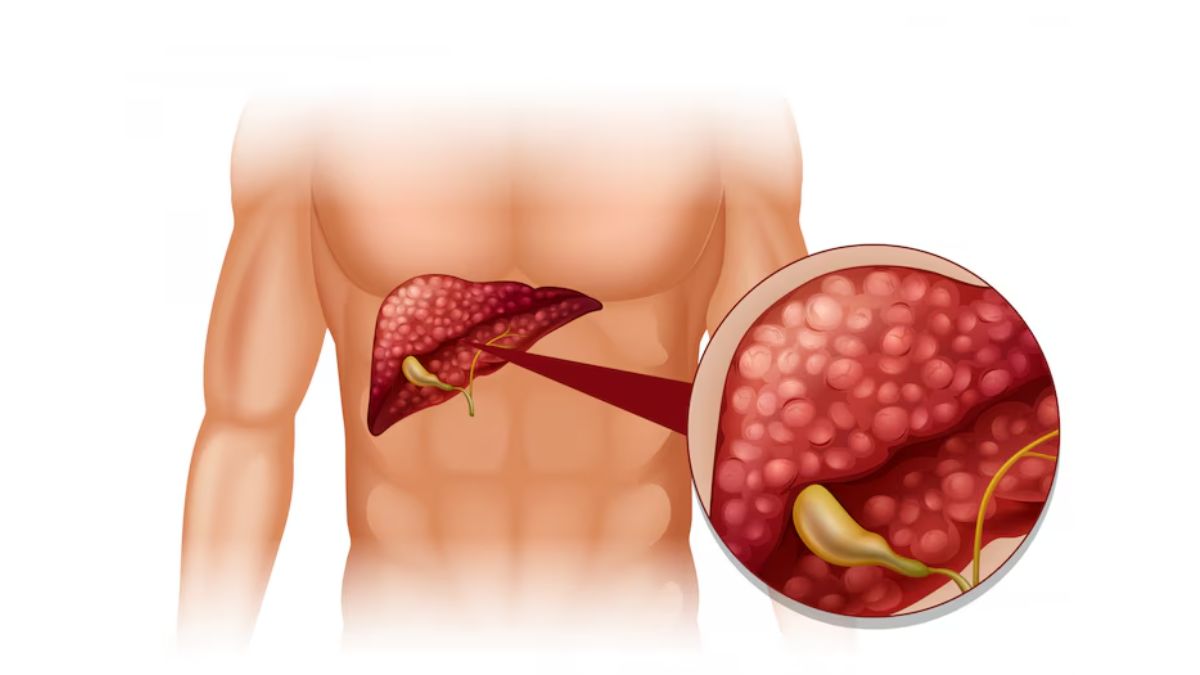
Fatty liver disease has become increasingly common, especially among Indians. This rise is primarily linked to poor lifestyle choices associated with modern living, such as increased consumption of high-calorie, sugar-laden diets, sedentary behaviour, and rising obesity rates. If left uncontrolled, the accumulation of fat in the liver can lead to inflammation and more severe liver damage over time. "Indians are far more likely to develop fatty liver disease, almost three times more than many other ethnicities," says Dr. Alok Chopra in an Instagram post.
Why are Indians at a higher risk of fatty liver disease?
"This isn't just about modern lifestyles. There is a deep evolutionary reason. People from the Indian subcontinent have a genetic adaptation. From generations of living through famine. Our bodies learn to store fat in the liver quickly as a survival mechanism. The famine disappeared, but the genetic switch never turned off. That's why today nearly one in three indians are estimated to have fatty liver disease, and the real number may be closer to half the population," explains Dr. Chopra.
How to prevent fatty liver disease
"The good news is that fatty liver is one of the most reversible conditions. The liver is a remarkable organ. It detoxifies, regenerates, metabolises, promotes hormonal balance and regulates energy. But it needs the right environment to heal," Dr. Chopra adds.
Dr. Chopra shared the following tips to reverse fatty liver:
1. Eat early dinners, avoid late-night snacking
Eating early dinners and avoiding late-night snacking play a vital role in maintaining liver health. Your body's ability to process food decreases later in the day due to natural circadian rhythms. Late-night eating can disrupt digestion and lead to weight gain, potentially causing excess fat storage in the liver and impacting its function.
2. Include periods of intermittent fasting
Incorporating periods of intermittent fasting is another beneficial practice for liver health. This eating pattern gives the liver time to recover and detoxify, reducing insulin resistance and promoting fat loss. By alternating between eating and fasting, liver cells get the time to repair and rejuvenate, further enhancing metabolic health.
3. Use ghee instead of refined seed oils
Choosing ghee over refined seed oils is a wise move for liver support. Ghee is rich in healthy fats and butyrate, which promotes gut health and reduces inflammation. In contrast, refined seed oils are often processed and contain harmful trans fats that can lead to chronic inflammation in the liver, impairing its ability to function effectively.
4. Avoid highly processed foods
Highly processed foods can trigger inflammation and fat storage in the liver, increasing the risk of fatty liver disease and other metabolic disorders. Therefore, such foods with high levels of sugars, unhealthy fats, and preservatives should be avoided to support liver vitality.
5. Support your liver's natural detox pathways with antioxidants
Supporting your liver with antioxidants like glutathione can enhance its detoxifying capabilities. Glutathione is critical for neutralising free radicals and reducing oxidative stress. Incorporating foods rich in antioxidants, such as blueberries, strawberries, dark leafy greens like kale and spinach, and colourful vegetables such as carrots, sweet potatoes, tomatoes, and bell peppers, can help protect your liver and promote overall health.
6. Drink black coffee
Research suggests that drinking black coffee may have protective effects on the liver, including reducing the risk of developing fatty liver disease. Coffee is rich in antioxidants and can enhance liver function. It may also decrease inflammation and improve the liver's ability to process fats. However, moderation is key, as excessive caffeine can have adverse effects.
While fatty liver has become more common than ever, following these measures can help significantly improve liver health and overall well-being.
Disclaimer: This content including advice provides generic information only. It is in no way a substitute for a qualified medical opinion. Always consult a specialist or your own doctor for more information. NDTV does not claim responsibility for this information.