

)
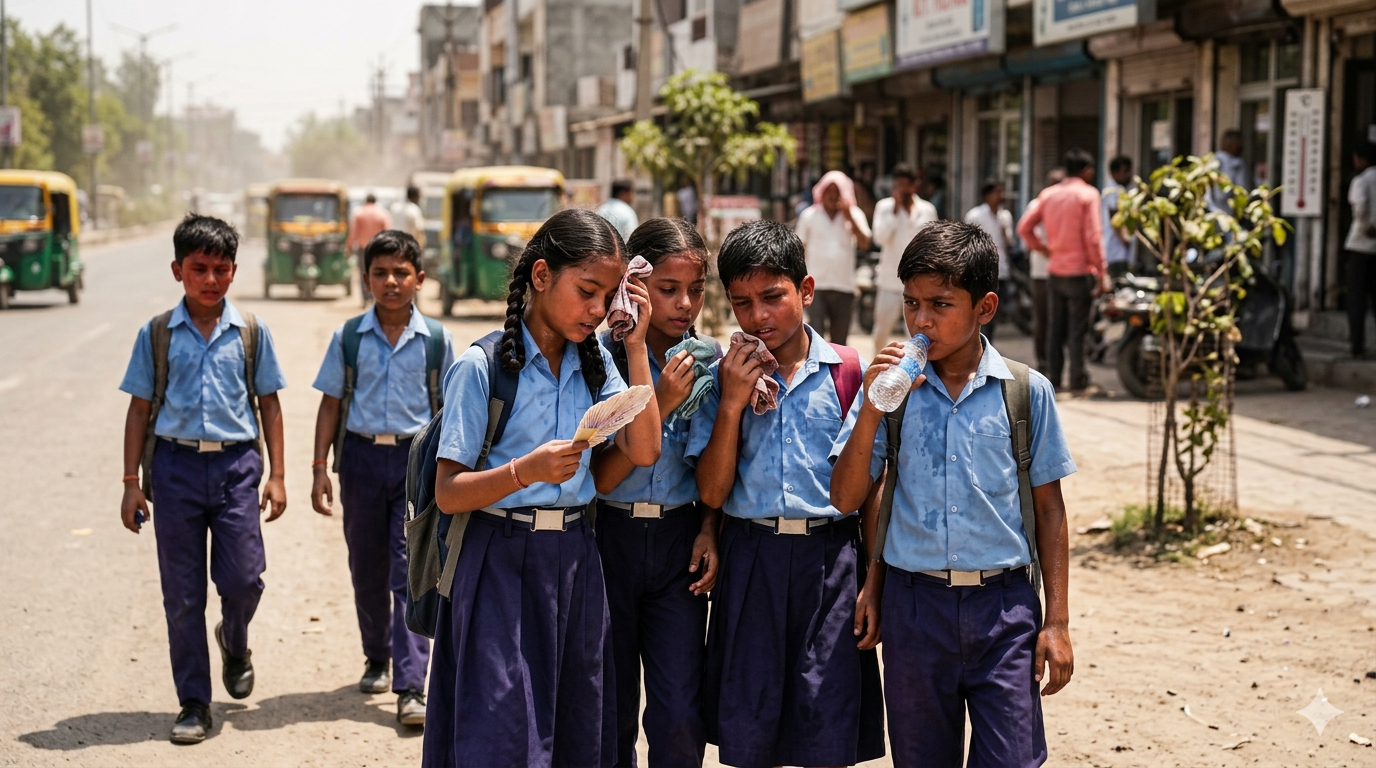
India is already reeling under an intense heatwave, and its impact is being felt most strongly by children. With temperatures soaring past 40 degree Celsius and even touching 44 degree Celsius in several regions, authorities across multiple states have taken urgent action, including closing schools and revising timings to safeguard students. According to a study in journal Annals of Global Health, in 2018 alone, extreme heat exposure was responsible for the loss of approximately 296,000 lives worldwide and numbers are rising every year. From Jharkhand to Odisha and Chhattisgarh, the message is clear, children are among the most vulnerable during extreme heat, and immediate precautions are important.
Schools Shut Across States As Heatwave Intensifies
Authorities in several parts of India have taken swift steps to reduce children's exposure to dangerous temperatures. In Jharkhand, schools have been temporarily closed due to severe heatwave conditions, with officials citing risks like heatstroke and dehydration. In Odisha, schools in multiple districts have been shut for days, and in some cases extended closures have been ordered due to red heatwave warnings. In Chhattisgarh, summer vacations have been advanced to April 20 to protect students.
Other regions have shortened school hours, with institutions closing by 11 am to avoid peak heat exposure. The India Meteorological Department has also warned that heatwave conditions are likely to persist across multiple states, including Jharkhand and Odisha.
Also read: Heat Stroke vs Heat Exhaustion: Early Warning Signs You Should Never Ignore
Why Children Are at Higher Risk
Children are more vulnerable to heat than adults for several reasons:
- Their bodies heat up faster
- They sweat less, making cooling harder
- They may not recognise early signs of dehydration
Doctors warn that exposure to extreme heat can lead to:
- Heat exhaustion
- Heatstroke
- Severe dehydration
In cities like Jamshedpur, where temperatures have crossed 41 degree Celsius, health experts are already advising strict precautions.
Early Warning Signs Parents Should Watch
Recognising symptoms early can prevent serious complications. Watch out for:
- Excessive sweating or no sweating at all
- Fatigue or dizziness
- Headache or nausea
- Rapid heartbeat
- Confusion or fainting
If a child shows these signs, immediate cooling and hydration are essential.
Simple Tips To Protect Children During Heatwave
Here's how parents can keep children safe during extreme heat:
1. Keep Them Hydrated
Encourage frequent intake of water, coconut water or ORS. Avoid sugary or caffeinated drinks.
2. Avoid Outdoor Activities
Limit outdoor play between 11 am and 4 pm, when temperatures peak.
3. Dress Smart
Light-coloured, loose cotton clothes help the body stay cool.
4. Create a Cool Environment
Use fans, coolers or air-conditioning where possible. Keep curtains closed during the day.
5. Focus on Diet
Include water-rich foods like:
- Watermelon
- Cucumber
- Buttermilk
These help maintain hydration levels.
Also read: Is Buttermilk The Perfect Summer Drink For Diabetics? Tips To Consume Safely
School Safety Measures That Matter
Many states are also introducing preventive steps in schools:
- Early morning classes
- "Water breaks" or hydration bells
- Shortened school hours
- Temporary closures during extreme heat
These measures aim to reduce children's exposure to dangerous afternoon temperatures, which can be life-threatening.
Heatwave and Climate Change: A Growing Concern
Heatwaves in India are becoming more frequent and intense. Experts warn that rising temperatures linked to climate change are increasing the risk of heat-related illnesses, especially among children and the elderly. In fact, heatwaves are now considered one of the most serious climate-related health threats in the country.
What Parents Should Do Right Now
With temperatures continuing to rise, parents should:
- Keep children indoors during peak hours
- Ensure regular hydration
- Monitor weather updates
- Follow local school advisories
Even short exposure to extreme heat can have serious consequences, so prevention is key. While authorities are taking steps to protect students, awareness at home is just as important. Simple habits like staying hydrated, avoiding peak heat and recognising early symptoms can make all the difference. In a rising heatwave crisis, protecting children's health must come first.
Disclaimer: This content including advice provides generic information only. It is in no way a substitute for a qualified medical opinion. Always consult a specialist or your own doctor for more information. NDTV does not claim responsibility for this information.