

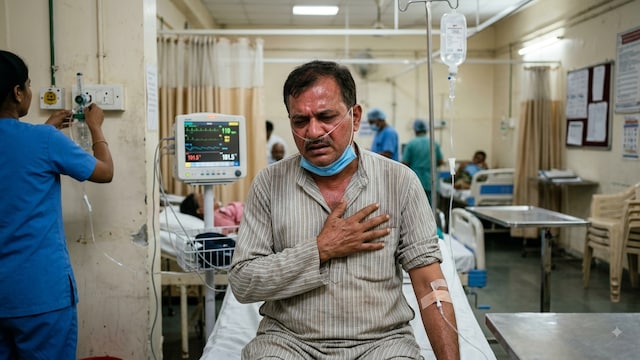
Cancer treatment has come a long way. Advances in chemotherapy, targeted therapy, immunotherapy and radiation therapy have improved outcomes, allowing many patients to live longer and return to their normal lives after treatment. However, as we become better at treating cancer, we must pay attention to another important aspect of a patient's health: the heart.
As an oncologist, my priority is to give every patient the best possible chance of controlling cancer. At the same time, good cancer care must go beyond treating the disease. It should consider the patient's long-term health, quality of life and ability to enjoy life after treatment. This is why cancer care and heart care sometimes need to be planned together.
How Cancer Treatment Can Affect The Heart
Cancer treatments work in different ways, and their side effects can vary considerably. While many treatments have little effect on the heart, some can affect the heart muscle, blood pressure or normal rhythm of the heartbeat.
The risk depends on the medicine, dose, combination of treatments and the patient's existing health conditions. People with diabetes, high blood pressure, obesity or a history of heart disease may require closer monitoring.
However, not everyone receiving cancer treatment will develop a heart problem. The purpose of cardiac monitoring is to identify risks or changes early so they can be managed appropriately.
Anthracyclines, such as doxorubicin and epirubicin, are used to treat several cancers, including breast cancer and lymphomas. In some patients, these medicines can weaken the heart muscle and reduce its pumping capacity. The risk may increase with higher cumulative doses and certain patient-related factors.
Trastuzumab, a targeted therapy used for HER2-positive breast cancer and selected other cancers, has significantly improved treatment outcomes. However, it can affect the heart's pumping function in some patients, making regular cardiac assessment an important part of treatment.
Other targeted therapies may increase blood pressure or cause cardiovascular complications. Immunotherapy has transformed the treatment of several cancers, but it can rarely cause myocarditis, an inflammation of the heart muscle that requires urgent medical attention.
Radiation therapy may also affect the heart if it receives significant exposure, particularly during the treatment of certain cancers in the chest. Some effects can appear years later. Fortunately, modern treatment planning and appropriate monitoring help doctors reduce these risks wherever possible.
Before beginning a treatment that may affect the heart, doctors need to understand the patient's cardiovascular health. Depending on the treatment and individual risk factors, assessment may include an ECG, an echocardiogram and blood tests that can indicate heart muscle injury or stress.
Monitoring may continue during treatment. Patients receiving trastuzumab, for example, commonly undergo periodic checks of their heart function. These tests are not mere formalities. They allow doctors to detect changes early and decide whether intervention is required.
Patients and families also have an important role. New or worsening breathlessness, swelling of the feet, unusual fatigue, chest discomfort, palpitations or fainting should never be ignored. These symptoms do not always indicate a heart problem, but they require prompt medical assessment during cancer treatment.
Why Cardio-Oncology Collaboration Matters
Traditionally, cancer and heart disease have often been managed by separate specialists. Today, there is growing recognition that some patients benefit when both teams are involved. This is where cardio-oncology, a specialised field bringing oncology and cardiology together, becomes important.
The oncologist understands the cancer, treatment options and importance of controlling the disease. The cardiologist brings expertise in assessing cardiovascular risk and managing heart-related complications. When both specialists communicate regularly, decisions can be made with a clearer understanding of the benefits and risks for each patient.
If a patient's heart function begins to decline, the immediate response should not always be to stop cancer treatment. Doctors must consider the extent of the change, whether the patient has symptoms, how important the treatment is for cancer control and whether alternatives are available.
In some situations, heart-protective medicines and closer monitoring may allow treatment to continue. In others, therapy may need to be paused or modified. Depending on the circumstances, cancer treatment may sometimes be resumed after careful reassessment. Every patient is different, and these decisions require individualised medical judgment.
Coordination remains important after cancer treatment is completed. Some heart-related effects may appear months or years later, depending on the treatment received and the patient's risk factors. Cancer survivors may therefore require continued cardiovascular assessment and follow-up.
Understandably, patients can feel anxious when they hear that cancer treatment may affect their heart. Clear communication can help them understand why a test is recommended, what the results mean and what the next steps may be. It also reassures them that treatment is being planned with both cancer control and heart health in mind.
Patients should discuss their medical history, ask about the monitoring they may need and report new symptoms promptly. They should never stop or change cancer medication without consulting their treating doctor.
The true success of cancer care is not only helping patients survive cancer. It is helping them recover, return to their daily lives and live healthier, fuller lives beyond it.
(By Dr Poonam Maurya, Senior Consultant, Medical Oncologist, Apollo Speciality Hospitals, Jayanagar, Bengaluru)
Disclaimer: The opinions expressed within this article are the personal opinions of the author. NDTV is not responsible for the accuracy, completeness, suitability, or validity of any information on this article. All information is provided on an as-is basis. The information, facts or opinions appearing in the article do not reflect the views of NDTV and NDTV does not assume any responsibility or liability for the same.