

)
Heart valve disease in India looks different from the West. While Western countries mostly deal with valve wear-and-tear in the elderly, India's biggest driver is rheumatic heart disease (RHD), valve damage caused by an untreated childhood throat infection that comes back years later to attack the heart. It is estimated that rheumatic heart disease prevalence in India is in the range of 1.5 to 2 per 1,000 individuals, adding up to 2 to 2.5 million cases, with an estimated 88,674 deaths in a single year. Unlike valve disease abroad, this is overwhelmingly a disease of the young: patients typically present with a median age of just 28 years, and nearly 66-72% of those affected are women.
What Exactly Is A "Failing" Valve?
Think of the heart as a house with four doors, each opening and closing to let blood flow in the right direction, at the right time. When a valve fails, it either doesn't open fully (called stenosis, the doorway narrows) or doesn't close properly (called regurgitation, the door doesn't latch, so blood leaks backward). Either way, the heart has to work harder to do its job, similar to breathing through a straw that's been pinched half-shut.
In India, the mitral valve is by far the most affected, involved in 65-70% of rheumatic valve cases, followed by the aortic valve at 20-25% and the tricuspid valve at around 10%.
Why It's So Easy To Miss
Rheumatic fever itself often passes as "just a bad throat infection" in childhood, treated with a course of antibiotics and forgotten. The real damage shows up silently, over years, as scarring slowly stiffens or loosens the valve. By the time symptoms appear, the disease has often already progressed. Rural areas carry a heavier burden than cities, population surveys have found RHD prevalence of 2.2 per 1,000 in rural India against 1.23 per 1,000 in urban areas, this is largely because of overcrowding, poor sanitation, and limited access to timely treatment for throat infections.
The Symptoms To Actually Watch For
None of these symptoms scream "heart valve" on their own, that's what makes them dangerous. But together, or when they show up suddenly, they're worth paying attention to:
- Breathlessness that's new or worsening especially during activities that never used to be tiring, like climbing stairs or routine housework.
- Unusual fatigue: a heavy, persistent tiredness that doesn't lift with rest.
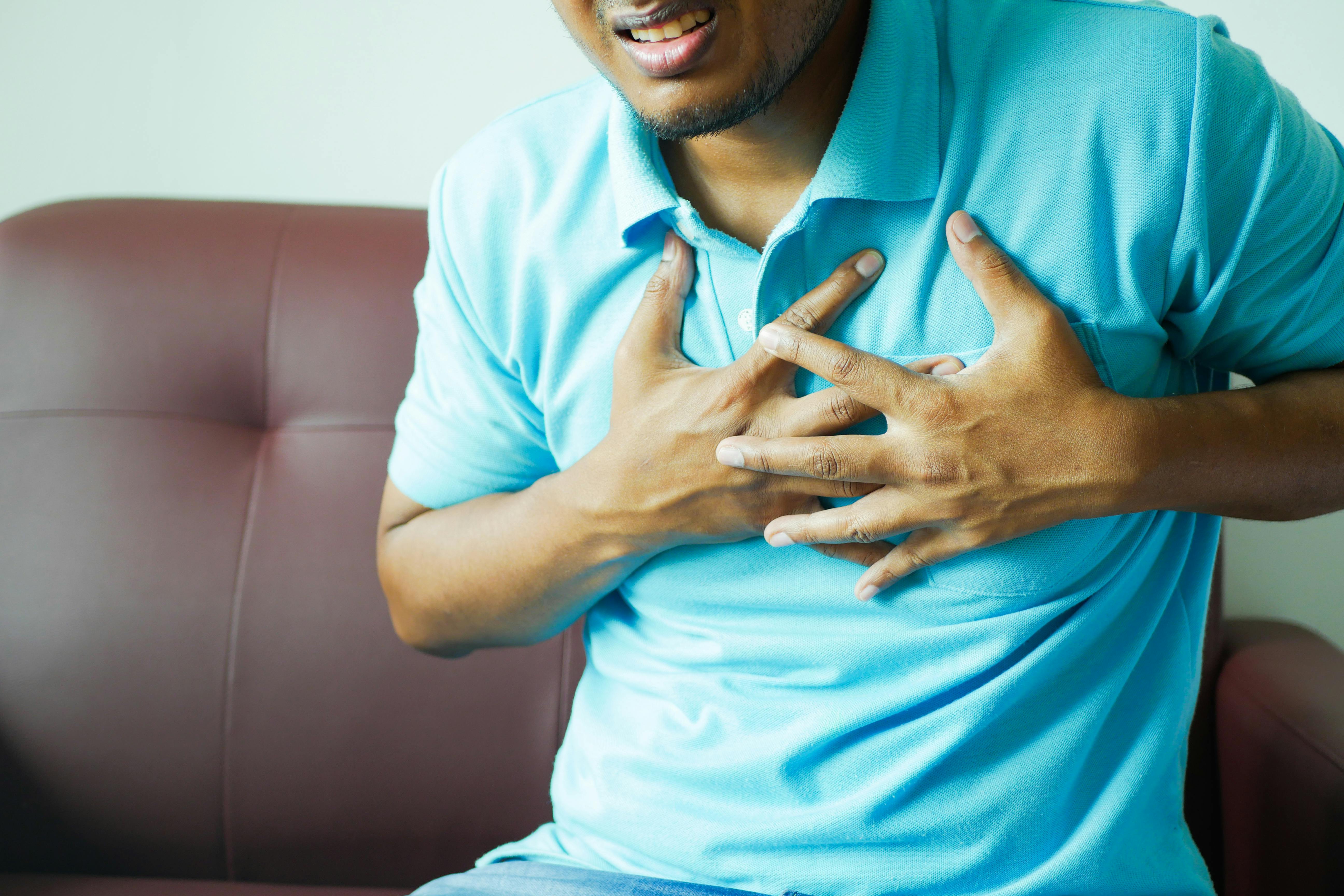
- Chest pain or discomfort.
- Palpitations: a racing, fluttering, or irregular heartbeat.
- Swelling in the ankles, feet, or belly: a sign fluid is backing up because the heart can't keep pace.
- A heart murmur: an unusual "whooshing" sound a doctor can pick up with a simple stethoscope check, often the very first clue, long before any symptom is felt at all.
These symptoms are frequently mistaken for other, less serious conditions, which is exactly why they get ignored until the disease has advanced.
A Hidden Risk During Pregnancy
This matters especially for young women, since RHD accounts for an estimated 40-50% of all cardiac disease diagnosed during pregnancy in India. Pregnancy naturally increases the heart's workload, which can unmask or worsen an existing valve problem that was never diagnosed. This makes a pre-pregnancy or early-pregnancy heart check especially important for women in regions with high RHD burden.
The Cost Of Ignoring It
Despite decades of public health efforts, progress has been slow. Between 1990 and 2015, global RHD mortality fell by nearly 48%, but India's reduction over the same period was only about 18%, compared to a 71% drop achieved by China. The disease remains a significant cause of illness and death among Indians in their most productive years, a burden that is largely preventable with early detection and treatment of throat infections in childhood, and manageable with timely valve care in adulthood.
What To Actually Do
Awareness, more than anything, is what closes this gap:
- A childhood sore throat should never be dismissed, proper antibiotic treatment is what prevents rheumatic fever from ever reaching the heart.
- Breathlessness, fatigue, or palpitations in a young adult after heavy exercise shouldn't be brushed off as unrelated to the heart. RHD affects people far younger than the more commonly known heart disease stereotypes.
- Women planning a pregnancy in high-risk regions should consider a heart check-up beforehand, given how common undiagnosed RHD is among women of childbearing age.
- A symptom that is new, sudden, or worsening, especially chest pain or fainting should be treated as urgent, not something to monitor quietly for a few more weeks.
A heart valve rarely fails overnight. It sends warnings first. The people who listen to those warnings early are the ones who get the most treatment options and the best outcomes.
(By Dr Rockey Katheria, Consultant - Interventional Cardiology at Manipal Hospital Varthur)
Disclaimer: The opinions expressed within this article are the personal opinions of the author. NDTV is not responsible for the accuracy, completeness, suitability, or validity of any information on this article. All information is provided on an as-is basis. The information, facts or opinions appearing in the article do not reflect the views of NDTV and NDTV does not assume any responsibility or liability for the same.