

)
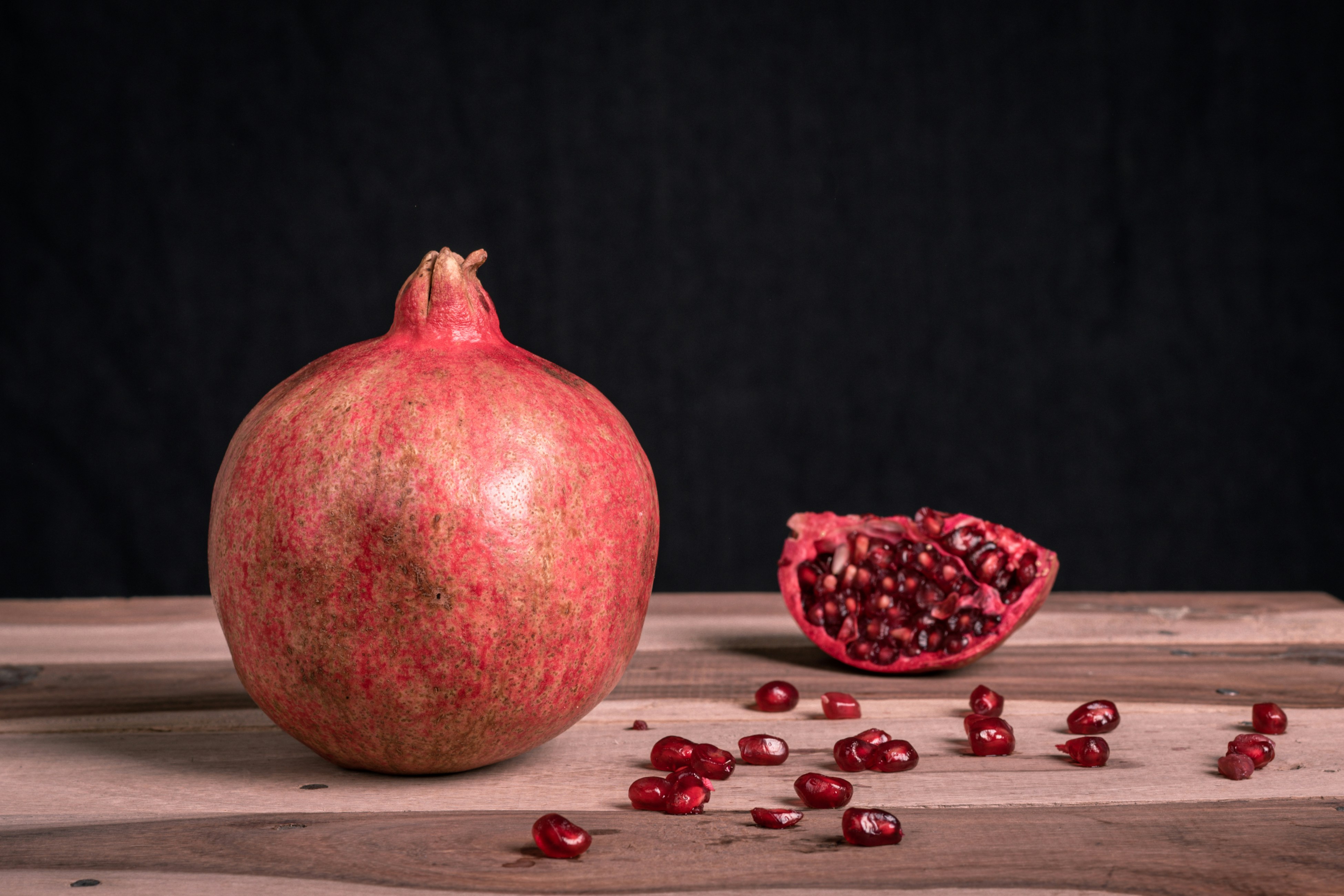
Cardiovascular diseases are one the major health causes of deaths across the world, and heart disease are one of them. However, if detected at the right time, the condition can be managed. A compound linked to pomegranates may have an option to treat a difficult type of heart failure. Researchers from King's College London found that urolithin A, a substance produced by the body after consuming foods such as pomegranates, walnuts and some berries, improved measures of heart function by up to 80% in animal models.
The study, published in Science Advances, focused on heart failure with preserved ejection fraction (HFpEF), in which the heart can still pump blood but becomes stiff and has trouble relaxing and filling properly between beats. The researchers found that urolithin A helped heart tissue relax, reduced fibrosis or scarring, and limited abnormal enlargement of heart muscle cells. The team also tested the compound on engineered human heart tissue made from stem cells and found improved relaxation. However, the 80% figure does not mean that people with heart failure can improve their heart function by 80% simply by eating pomegranates. This is because the research is still experimental.
What Is Urolithin A?
Urolithin A is not simply a substance found in large amounts in pomegranates. It is a compound that is produced by the body when certain gut bacteria break down substances called ellagitannins, which are present in foods such as pomegranates, walnuts and some berries. Not everyone produces the same amount because gut bacteria differ between people.
This compound has attracted scientific interest because of its possible links with healthy ageing and mitochondrial function. Mitochondria are structures inside cells that help produce energy. In the new study, researchers identified another possible role involving a protein called PKGIa, which is involved in blood vessel function and heart muscle relaxation.
Dr Joseph Burgoyne, senior author of the study, King's College London, said, "This type of heart failure is becoming increasingly common as populations age and rates of obesity and diabetes rise. Despite its growing burden, treatment options remain limited because the disease is complex and varies considerably between patients."
How Could It Help The Heart?
This new study is focused on HFpEF, which is a form of heart failure, wherein the heart's pumping ability may remain relatively normal, but the heart muscle becomes stiff. This makes it harder for the chambers to relax and fill with blood. Researchers found that urolithin A activates PKGIa through a specific molecular site. This appears to improve the ability of heart tissue to relax. In animal models, treatment with the compound improved measures of heart function by up to 80% compared with untreated models.
The researchers also observed less fibrosis, or harmful scar tissue, and less enlargement of heart muscle cells.
What Did The Human Tissue Test Show?
The findings were not limited to animal experiments. Scientists also used engineered human heart tissue created from human stem cells. This laboratory model was designed to mimic important features of human heart muscle. When the tissue was treated with urolithin A, it showed better relaxation. This is important because poor relaxation is a key problem in HFpEF. However, engineered tissue is not the same as a living person with heart failure, so these results cannot yet be considered proof that the compound will work.
Can Eating Pomegranate Treat Heart Failure?
No, the study does not show that eating pomegranates can treat or reverse heart failure. The researchers themselves said there is not enough evidence to recommend pomegranates as a treatment. Urolithin A production also varies depending on a person's gut bacteria, so eating foods containing ellagitannins is not a guarantee that the body will produce a particular amount of the compound.
Professor James Leiper, Director of Research at the British Heart Foundation, said, "While these findings are promising, the benefits have so far been seen in animals and engineered human tissue, so clinical trials involving people are needed to test if this approach is effective for patients. In the meantime, a healthy, balanced diet remains one of the best ways to look after your heart. Eating plenty of fruit and vegetables is linked to better heart health, but it's important to remember that no single food can prevent or treat heart disease on its own."
Disclaimer: This content including advice provides generic information only. It is in no way a substitute for a qualified medical opinion. Always consult a specialist or your own doctor for more information. NDTV does not claim responsibility for this information.