

)
A 33-year-old man developed heart failure after suffering from a bacterial infection called brucellosis. According to reports, the man had a fever that continued for nearly 20 days before the infection affected his heart. The case has drawn attention to the possible health risks of consuming raw, unpasteurised milk. The man had been drinking raw buffalo milk and was also taking antacid medicines for acidity for years. Experts suggest that these were possible factors that caused the man the heart condition.
Brucellosis is an infection caused by Brucella bacteria. People can get it when they come in contact with infected animals or when they consume contaminated animal products, particularly unpasteurised milk and dairy products. The infection can cause fever, sweating, tiredness, headache and muscle or joint pain. In some cases, it can affect organs including the heart. In this case, the infection reached the man's heart and caused infective endocarditis, an infection of the heart's inner lining and valves, which subsequently led to heart failure.
What Is Brucellosis?
Brucellosis is a bacterial infection that can spread from infected animals to humans. Cattle, goats, sheep and other animals can carry Brucella bacteria. People may become infected through direct contact with infected animals or their tissues, but eating or drinking contaminated animal products is another important route.
Raw or unpasteurised milk can also cause brucellosis because it has not undergone pasteurisation, which is a heating process that destroys harmful germs. The CDC lists Brucella as a bacteria that can be present in raw milk.
How Can Brucellosis Affect The Heart?
Brucellosis does not usually begin as a heart condition. Early symptoms can look like several other infections and may include fever, fatigue, sweating, headache, loss of appetite and muscle or joint pain. However, the infection can sometimes involve specific organs. The CDC says endocarditis, or infection of the heart's inner lining, as a possible complication of brucellosis.
Endocarditis can affect the heart valves and, when severe, may interfere with the heart's ability to pump blood properly.
Is Raw Milk Safe?
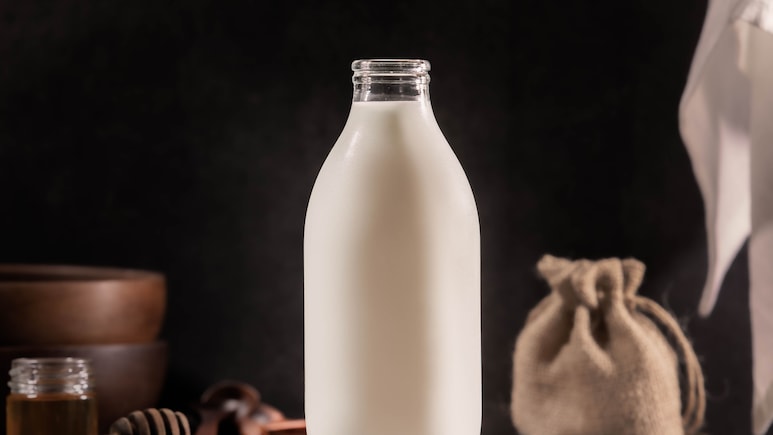
Raw milk is milk that has not been pasteurised. While some people consume it because they believe it is more nutritious, the lack of pasteurisation means harmful microorganisms can be present in the milk. The CDC says that raw milk may have bacteria including Brucella, Campylobacter, E. coli, Listeria and Salmonella. Contamination can happen even when farming and handling practices are good. Pasteurised milk gives you the nutritional benefits of milk without the infection risk from these pathogens.
This is why milk labelled as pasteurised is generally the safer choice, especially for children, older adults, pregnant women and people with weakened immunity.
What Are The Symptoms Of Brucellosis?
Symptoms can develop weeks or even months after exposure and may be difficult to identify. Common symptoms include:
- Persistent or recurring fever
- Excessive sweating
- Unusual tiredness
- Headache
- Muscle, joint or back pain
- Loss of appetite
- Feeling unwell generally
Without appropriate treatment, the infection can become prolonged and may affect different organs. The CDC notes that serious complications can include arthritis, liver or spleen enlargement, meningitis and heart infection.
How To Prevent Brucellosis
One of the best ways to prevent the infection is to avoid raw or unpasteurised dairy products. The CDC recommends consuming pasteurised milk and dairy products and avoiding unpasteurised milk, cheese and ice cream. People who work closely with livestock or animal tissues should also follow appropriate protective measures.
Drinking milk itself doesn't cause heart failure. Rather, it highlights a specific infection risk linked to contaminated, unpasteurised dairy products. Pick pasteurised milk as it can reduce the risk of exposure to bacteria such as Brucella and other disease-causing germs.
Disclaimer: This content including advice provides generic information only. It is in no way a substitute for a qualified medical opinion. Always consult a specialist or your own doctor for more information. NDTV does not claim responsibility for this information.