

)
As parents get older, their eating habits often stay the same. The familiar poha for breakfast, biscuits with chai, a plate of rice and roti at lunch, namkeen in the evening and khichdi for dinner can feel like a perfectly normal daily routine. But one thing that can often get missed is protein.
Protein is important at every age, but it becomes especially useful as we grow older. It helps support muscle strength and overall nutrition. The good part? Eating more protein does not always mean changing the entire kitchen or buying expensive, fancy foods. A few simple changes to familiar meals can make a difference.
Nutritionist Rashi Chowdhary has shared an Instagram post suggesting easy protein swaps for parents. Her idea is simple: keep the same everyday meals, but add more protein to them.
Here are the swaps she suggested:
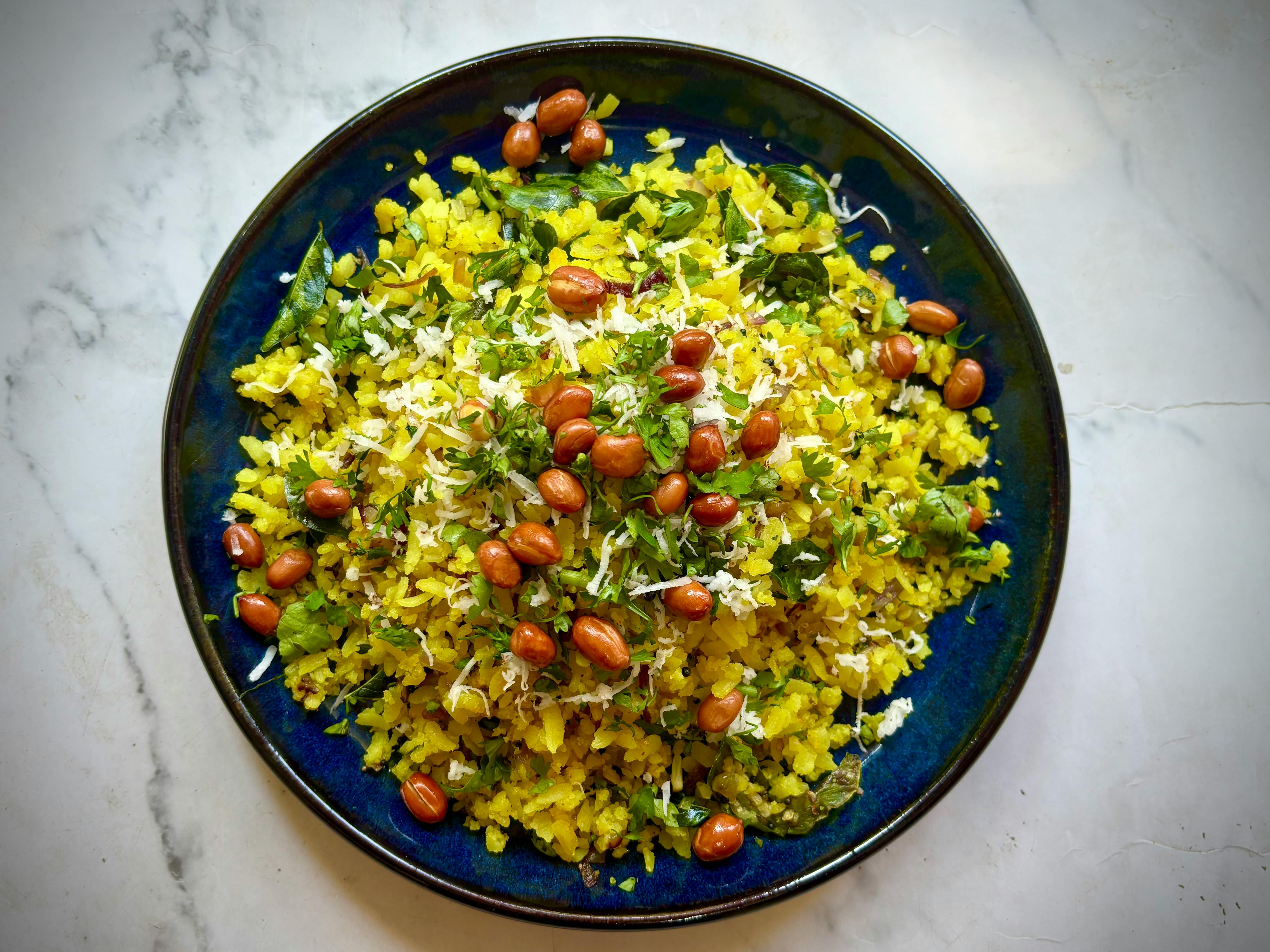
1. Keep the poha, add protein
Instead of having plain poha, Chowdhary suggests adding around 50 grams of peas, 50 grams of crumbled paneer, two tablespoons of peanuts and some curd on the side. According to her, this can take breakfast from around 5 grams of protein to nearly 25-28 grams.
2. Swap biscuits with roasted chana
Four biscuits with chai may add around 18 grams of sugar but very little protein. The nutritionist suggests keeping the chai and replacing the biscuits with 30 grams of roasted chana. This can add around 7-9 grams of protein along with fibre.
3. Make lunch more protein-friendly
If lunch has both rice and roti, the expert suggests picking one and adding 100 grams of chicken or fish with a bowl of curd. For vegetarians, she recommends two jowar rotis with 100 grams of paneer bhurji and curd.
4. Replace evening namkeen
Two boiled eggs with chopped tomatoes, onions and some chaat masala can be a simple evening option, providing around 13 grams of protein. A vegetarian alternative is moong cheela with green chutney and vegetables.
5. Give khichdi a protein boost
Rashi suggests changing the usual rice-heavy khichdi by increasing the dal and reducing the rice. Adding matar, beans, palak and some curd can make the meal more balanced.
With these five changes, she says a person's daily protein intake could go from around 30 grams to close to 80 grams or a little more.
However, Rashi Chowdhary also added an important caution. People with kidney issues should speak to their doctor before increasing protein intake. Those with gut issues should also increase protein slowly instead of making a sudden change.
Disclaimer: This content including advice provides generic information only. It is in no way a substitute for a qualified medical opinion. Always consult a specialist or your own doctor for more information. NDTV does not claim responsibility for this information.