

)
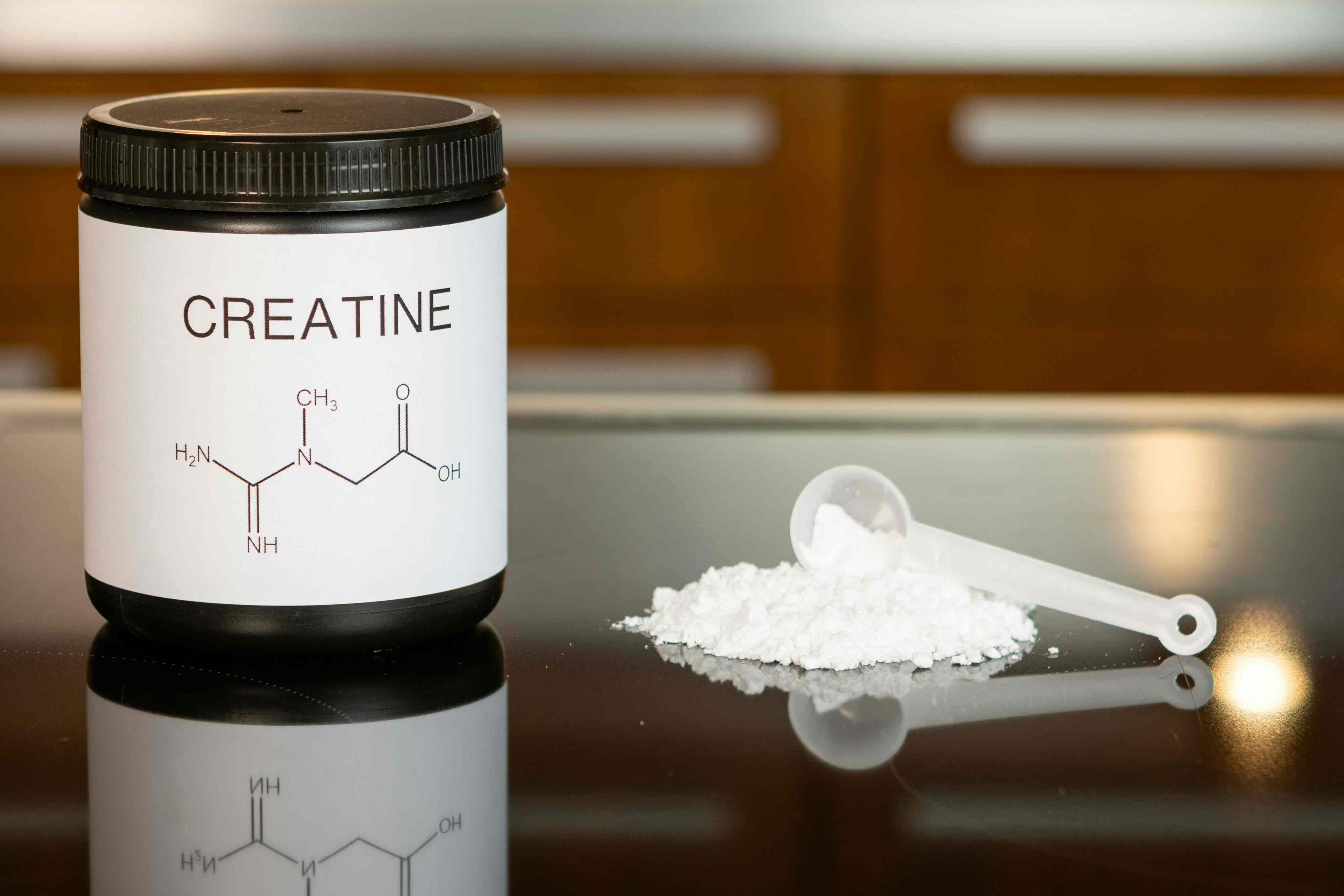
Creatine is fast gaining popularity as a health supplement. Most people add a scoop of creatine in water and drink it, believing it fulfils their fitness goals. Absorbing the nutrients, however, is not so easy, according to nutritionist Lovneet Batra.
In a post, Batra says that creatine "is not a passive nutrient." She advises drinking extra water to lower the risk of headaches, cramps, and dehydration.
The nutritionist claims that a specific team of "co-factors" helps creatine absorption.
Nutritionist Explains Rules For Creatine Absorption
Lovneet Batra advises people to increase their water intake to three to four litres daily if they are taking creatine.
"Because creatine draws water into the muscles, increasing overall fluid intake is necessary to support this cellular shift and maintain proper hydration," she explains.
Batra also says that adding a pinch of rock salt in your pre-workout drink and meal can enhance the body's ability to absorb creatine.
She mentions rock salt, sea salt, celery, and beets as good options for better creatine absorption.
"Cellular uptake mechanisms are highly influenced by sodium availability. Pairing your intake with balanced, salted meals supports optimal nutrient handling," the health expert mentions.
How Magnesium And Potassium Help Creatine Absorption
Batra adds that ensuring adequate magnesium intake supports overall metabolic function. Pumpkin seeds, spinach, and amaranth leaves can reduce muscle twitches while taking creatine.
If you have been experiencing headaches, dry skin, or muscle cramps since starting your creatine regimen, increasing your potassium intake can prove beneficial. Batra asks people to pair their creatine intake with potassium-rich foods like bananas and sweet potatoes.
Maintaining carbohydrate levels is also important when taking creatine. Carbohydrates can lead to the release of insulin, which helps drive creatine into muscle tissue more effectively.
Nutritionist Shares Checklist For Creatine Intake
Batra says that following some simple tips can help your body utilise creatine more effectively, rather than wasting it.
Increasing the intake of micronutrients, such as magnesium and potassium, supports creatine absorption. She also advises maintaining adequate hydration, carbohydrates, and sodium levels.
Fixing the co-factors associated with creatine can help utilise the nutrient more effectively.
Disclaimer: This content including advice provides generic information only. It is in no way a substitute for a qualified medical opinion. Always consult a specialist or your own doctor for more information. NDTV does not claim responsibility for this information.