

)
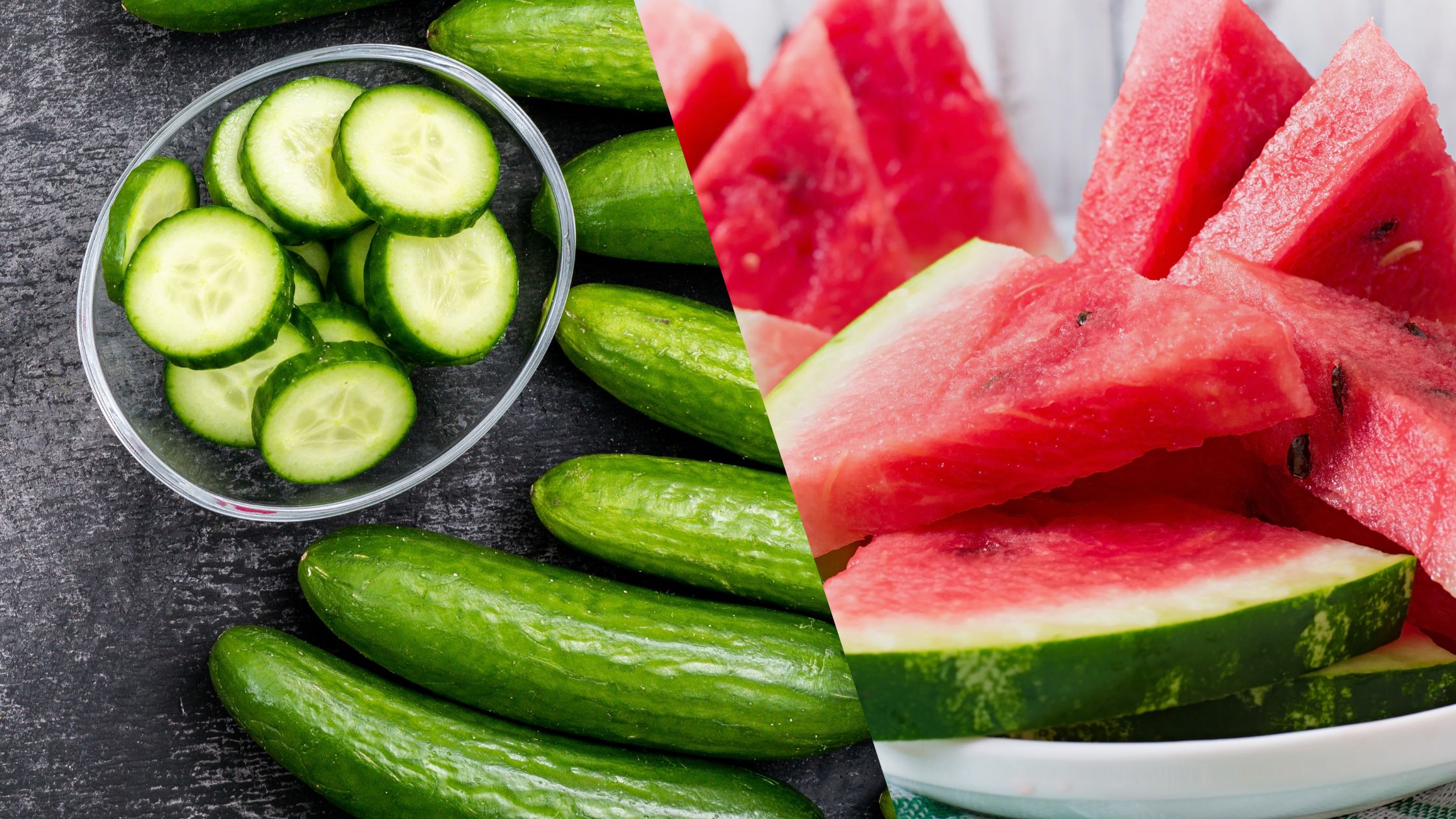
Extreme stress is taking an active toll on how your body struggles to regulate its core temperature. The level of heat stress this summer is overwhelming the normal state of the body on a global level, especially in India, where temperatures are rising to 46.7 degrees Celsius. To help with such extreme temperatures, common cooling foods are needed to effectively regulate internal body temperature and avoid heat-related illnesses. Research published in Scientific Reports details that cooling foods such as cucumber and watermelon need to be consumed on a daily basis to avoid heat stress. But the quantity and timing need to be considered along with the cooling effect of each ingredient. Cucumbers and watermelons are heat-stress foods that can reduce the chances of the body overheating and possible chances of dehydration. If you are wondering whether heat stress has affected you, symptoms like fatigue, dizziness and excessive amounts of sweating can be possible when this happens.
Cucumber Benefits For Cooling The Body
Research published in the Food Science and Engineering journal suggests that cucumbers have potent cooling properties, as they contain 95% water content. The light and easy-to-digest nature of the ingredient supplies the body with potassium and antioxidants. The benefits of cucumbers can be as follows:
- Hydrates steadily
- Reduces internal heat
- Soothes digestion
Cucumber benefits hydration, which is the foundation needed to beat heat stress. Most people are unaware of their hydration level, which makes it difficult to tackle heat stress during a heatwave alert.
Watermelon Benefits For Hydration
Research published in the Food Bioscience journal suggests that watermelon functions as a hydrating fruit, as it contains 90-92% water. Furthermore, it contains electrolytes and lycopene (an antioxidant), which is responsible for reducing oxidative stress. Additional health benefits of watermelon can be the following:
- Quick hydration boost
- Boosts energy levels that are reduced when heat stress is experienced
- Supports electrolyte balance
Watermelon hydration benefits are several, but avoid eating them post-meal to avoid bloating, and only consume a limited quantity.
Also Read: Muskmelon vs Watermelon: Health Benefits And Nutritional Value For Summers Explained
Cucumber vs Watermelon: Key Differences
The key differences between cucumbers and watermelons can be as follows:
- Water content: Cucumber has a very high water content, while watermelon has a high water content.
- Electrolytes: Moderate levels of electrolytes exist in cucumbers, depending on their variety, and watermelon has a higher dose of electrolytes.
- Fullness factor: Cucumber doesn't cause much satiety, while watermelon consumption is filling to the stomach.
Which Is Better For Heat Stress?
When it comes to tackling something complex, such as heat stress, which affects people in varying degrees, paying attention to individualised hydration is necessary.
- Cucumber can prove beneficial, as it is hydrating and cooling on the gut.
- Watermelon is best for quick hydration and cooling the digestive system.
Both cucumber and watermelon are beneficial for summer hydration. The choice depends on the need for hydration and the sensitivity to the natural sugar present in each of them.
Research published in Scientific Reports details that the cucumber is adapted to tackle heat stress, and it has the ability to neutralise harmful oxidative stress.
This can reduce the chances of cellular injury and makes it better for your body to regulate its internal temperature when the environmental temperature is too high.
Nutritionist Lovneet Batra explains, "Both cucumber and watermelon help combat heat stress, but watermelon offers quicker hydration due to its natural sugars, while cucumber provides sustained cooling with fewer calories."
How To Use Them For Maximum Cooling
Cucumbers and watermelon should be consumed in a specific manner to offer maximum cooling benefits. Here is how you can use each of them for maximum cooling impact:
- Eat a cucumber in salads or as infused water.
- Eat watermelon as a midday hydration snack.
- Avoid packaged juices.
Who Should Be Careful?
Naturally cooling fruits and vegetables should be carefully consumed, as too much of them can result in certain side effects. This is especially true for those with pre-existing medical conditions such as:
- Diabetes patients need to be careful of the portion size of watermelon they eat in a single sitting.
- Kidney issues need to monitor their potassium intake, so consuming a limited quantity of watermelon is necessary.
When it comes to beating heat stress, cucumbers and watermelons can both help, as they are both effective. You need to combine both of them for hydration and cooling benefits to make a balanced summer dietary approach that can beat heat stress.
Disclaimer: This content including advice provides generic information only. It is in no way a substitute for a qualified medical opinion. Always consult a specialist or your own doctor for more information. NDTV does not claim responsibility for this information.