

)
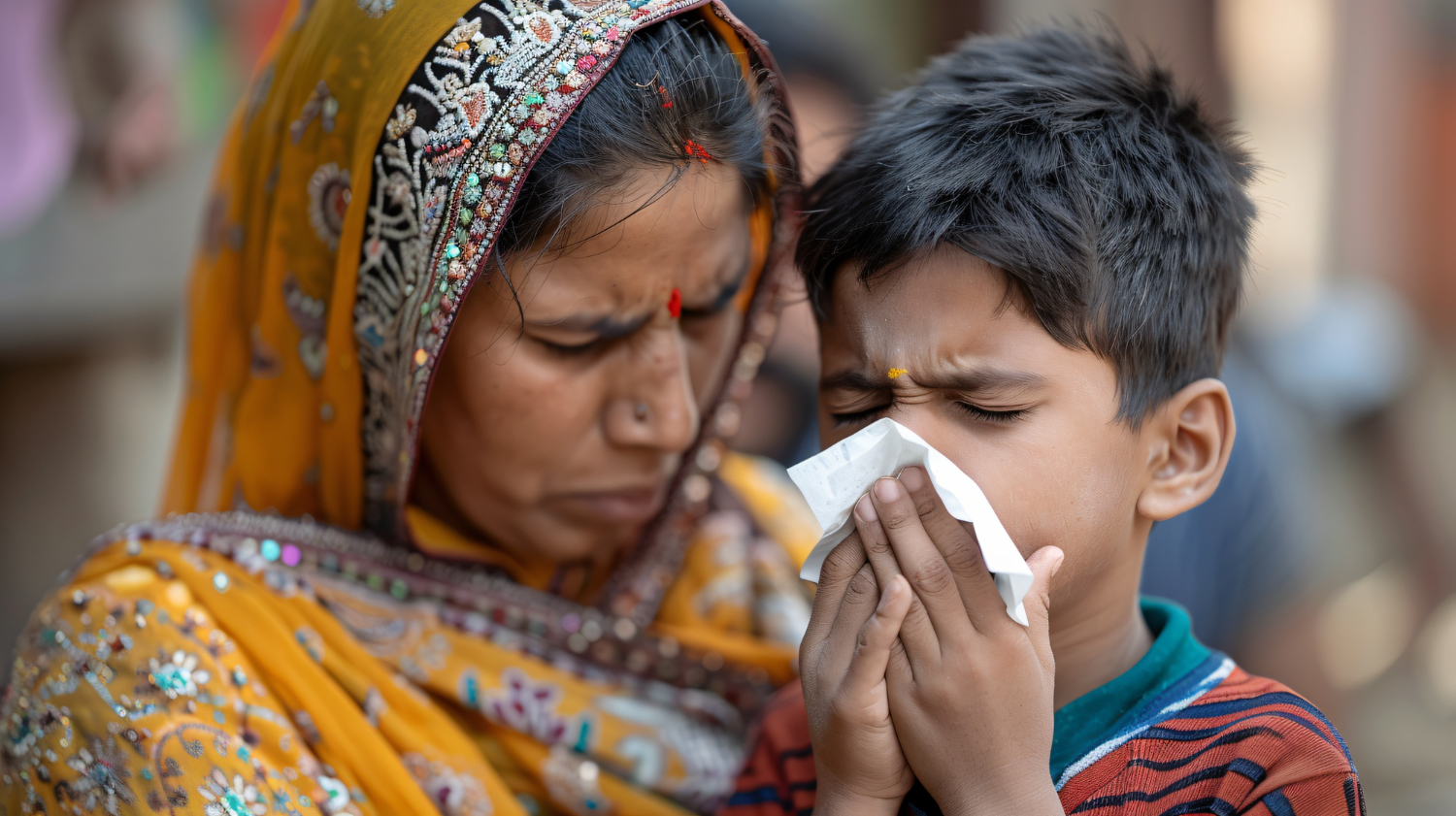
Delhi NCR has been grappling with a noticeable rise in flu-like illnesses and respiratory infections over the past few weeks, with patients reporting symptoms such as cough and cold, high fever, body ache, chest congestion, headaches and, in some cases, vomiting. What is causing concern is not just the number of cases, but the pattern of illness because many people are taking longer than expected to recover, while others see a brief improvement followed by a relapse. Doctors say this trend is consistent with seasonal winter infections, but the intensity of symptoms, especially sharp fever spikes and lingering cough, is making people anxious.
While influenza, including H3N2, is being detected in some patients, experts caution that multiple respiratory viruses and even secondary bacterial infections may be circulating simultaneously. Understanding what is driving this flu surge, and knowing how to respond early, can help reduce both severity and spread.
What Doctors Are Observing Across Hospitals
According to Dr. Ankita Baidya, Head of the Department and Consultant of Infectious Diseases at Manipal Hospital, Dwarka, the surge has been ongoing for weeks. "It's not just now, it's been a month," she explains. "A lot of flu cases have been reported, and we are seeing many respiratory infections. It is more common among people who have travelled and is affecting all age groups," she says.
While influenza has been confirmed in several cases, it is not the only culprit. "Most patients tested positive for influenza, but not all. Many recover in two to three days, but the initial fever spike is very high, unlike the usual mild viral fever. That is what is worrying people," Dr. Baidya explains.
She adds that persistent cough is one of the most common lingering symptoms. "In many patients, cough sets in once the fever subsides. Some also develop secondary infections later, which may require antibiotics," she notes.
Also Read: Flu Shots For Winter: Who Needs Them, When To Take Them And Why
H3N2 and Other Respiratory Infections: What's Really Circulating
Adding to this perspective, Dr. Avi Kumar, Senior Consultant Pulmonologist, Fortis Escorts Heart Institute, Delhi, points out that while H3N2 is present in some cases, it is not the sole driver of illness. "I am seeing a noticeable rise in lower respiratory tract infections in Delhi NCR, while confirmed H3N2 flu cases remain relatively moderate," he says.
"Many patients present with cough, fever and shortness of breath, which suggests that other viral or bacterial pathogens are also contributing," Dr. Kumar explains. This overlap of infections can explain why some patients feel better initially, only to experience worsening symptoms later, a pattern commonly seen when a viral illness is followed by secondary bacterial involvement.
Why Winter Makes Flu and Respiratory Illnesses Spike
According to Dr. Dinesh Dimri, Medical Officer at NDTV, Max@Home, Max Healthcare, the seasonal rise is expected. "Respiratory illnesses and influenza definitely spike during winter months, just like digestive illnesses spike during summer. This is normal," he says.
Cold weather keeps people indoors, increases close contact, and dries out nasal passages, all of which make it easier for viruses to spread and settle in the respiratory tract. This is especially true for office spaces, where HVAC systems and close proximity often lead to viral and bacterial infections circulating at a greater speed. Pollution levels and reduced immunity during winter further compound the risk, especially for children, elderly individuals, smokers and those with chronic conditions.
Precautions Doctors Strongly Recommend
Since most of these illnesses are viral, preventing spread is critical.
Dr. Baidya advises:
"People should follow COVID-like precautions. Isolation from family members is important to keep others safe. The incubation period is around two days, so isolation during the first three days is crucial. Wearing a mask helps."
Dr. Dimri stresses immunity and lifestyle measures:
"Like all viral infections, these spread through proximity. People should work on immunity, so eat amla and nutritious food, stay hydrated, and ensure proper sleep."
He also recommends breathing exercises:
"Pranayam such as anulom vilom for 10 minutes, gradually increasing to 20 minutes morning and evening, along with kapalbhati, can help lung health."
Additional advice includes:
- Avoid over-the-counter medication misuse, especially antibiotics
- Do steam inhalation and warm salt-water gargles
- Stay warm with thermals
- Quit smoking and tobacco, which worsen respiratory irritation
- Dr. Dimri cautions against indiscriminate use of strong topical inhalants and self-medication.
Also Read: Flu Vs Viral Fever Vs Covid: How To Differentiate And Get The Right Treatment
Vaccination and When to Seek Medical Care
Dr. Avi Kumar highlights the importance of prevention for vulnerable groups. "From a clinical standpoint, I strongly recommend flu vaccination for at-risk groups, strict hygiene practices, and avoiding crowded spaces," he says.
He warns that symptoms should not be ignored if they persist. "Persistent symptoms should prompt early medical evaluation to prevent complications such as pneumonia. Supportive care, hydration and rest are essential," Dr. Kumar adds.
Warning signs include:
- Fever lasting more than three days
- Breathlessness or chest pain
- Severe weakness
- Symptoms worsening after initial recovery
The current flu surge in Delhi NCR reflects a mix of influenza, H3N2, and other respiratory infections, intensified by winter conditions. While most cases recover with rest and supportive care, high fever, lingering cough and relapses underline the need for caution. Doctors unanimously stress early isolation, mask use, vaccination for vulnerable groups, and timely medical consultation. With awareness and responsible behaviour, the spread, and severity, of this seasonal wave can be significantly reduced.
Disclaimer: This content, including advice, provides generic information only. It is in no way a substitute for a qualified medical opinion. Always consult a specialist or your own doctor for more information.