

)
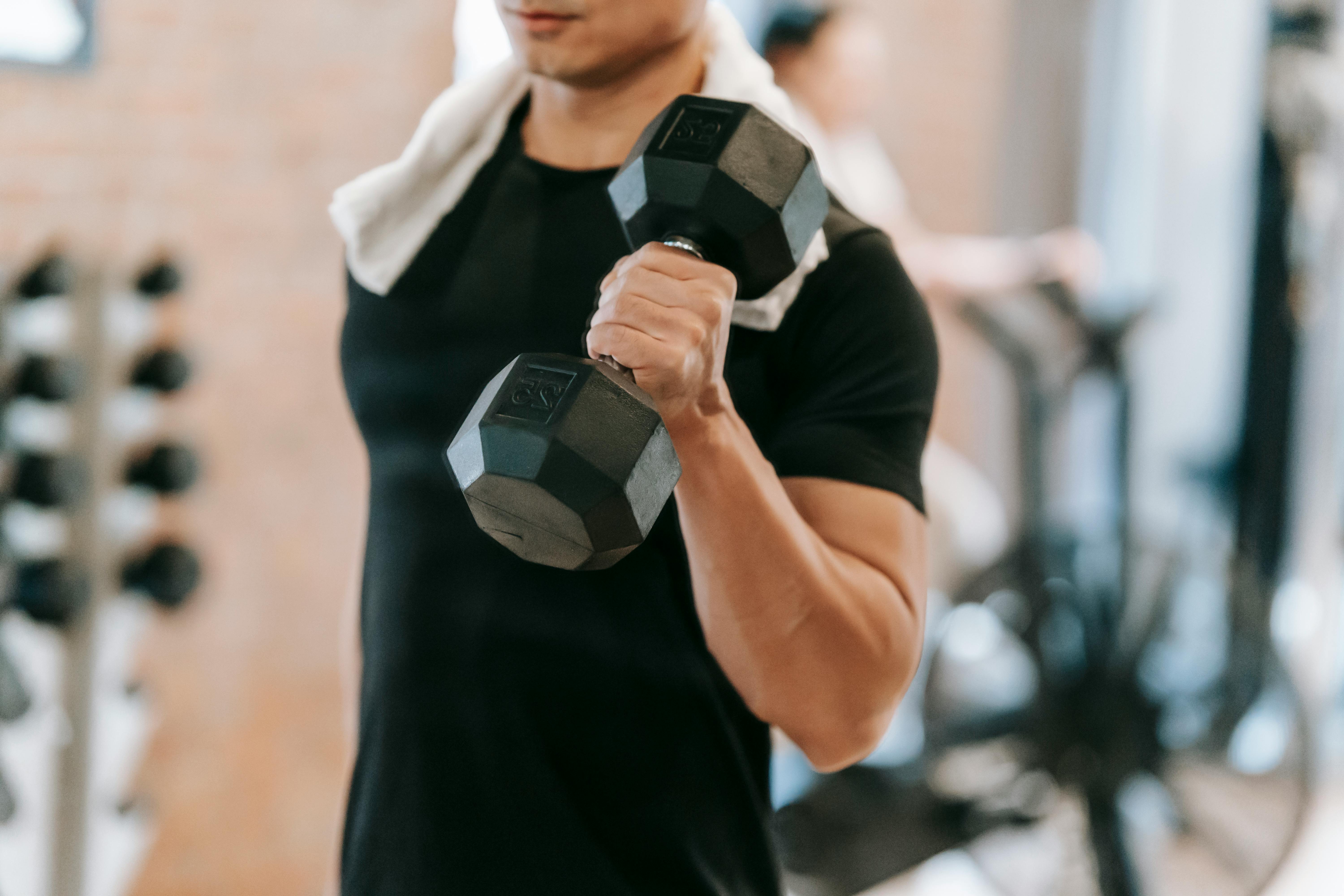
Want bigger arms but not seeing the results you expected? You may be making some common biceps-training mistakes without realising it. From lifting weights that are too heavy to ignoring recovery, small errors in your workout can limit muscle growth. Going heavy can be useful, but if you have to swing your body to complete every curl, your biceps are no longer doing most of the work. Choose a weight that allows you to perform controlled repetitions while maintaining proper form. The final few reps should feel challenging without turning the exercise into a full-body movement. Swinging dumbbells upward may help you move more weight, but it reduces the control you have over the exercise. Keep your torso stable and focus on moving through the elbow joint. Control the weight as you lower it instead of simply letting gravity do the work.
Doing Only One Type Of Curl
The biceps are involved in several movements, and relying exclusively on one curl variation can make your training repetitive. You can include different movements such as dumbbell curls, hammer curls, incline curls and preacher curls to train the elbow flexors from different positions.
Ignoring Compound Pulling Exercises
Your biceps don't only work when you're doing curls. Pull-ups, chin-ups and rows also recruit the biceps while training the muscles of your back. Building a stronger back can complement your arm training and help create a more balanced upper body.
Never Progressing Your Workouts
If you use exactly the same weight, repetitions and training volume for months, your muscles may have little reason to adapt further. Progressive overload is important for muscle growth. This could mean gradually increasing resistance, adding repetitions, improving technique or appropriately increasing training volume. The key word is gradually. Adding weight at the expense of proper form is not productive progression.
Cutting The Range Of Motion Short
Half-repetitions can have a place in certain training programmes, but constantly performing incomplete curls may limit the stimulus provided by the exercise.
Use a controlled range of motion that suits your mobility and exercise selection, rather than shortening every repetition simply to lift more weight.
Training Biceps Every Day
If you think more biceps workouts automatically mean bigger arms, think again. Muscles need time to recover and adapt after resistance training. Training the same muscles intensely every day can increase fatigue without necessarily accelerating growth.
Give your biceps adequate recovery between demanding sessions and adjust your training if performance starts declining.
Not Eating Enough Protein
Your workout provides the stimulus for muscle growth, but your diet provides the nutrients required for repair and adaptation. Make sure your overall diet contains adequate protein from sources such as eggs, dairy, fish, lean meat, soy, beans, lentils and other protein-rich foods. If you're consistently undereating calories, gaining muscle can also become more difficult.
Neglecting Sleep And Recovery
You can have a well-designed workout programme and still struggle to make progress if recovery is poor. Sleep supports physical recovery, training performance and overall health. Consistently inadequate sleep can make it harder to train effectively and recover between sessions. Rest days are also part of the programme not wasted training days.
Chasing The Pump Instead Of Progress
Seeing your biceps look bigger immediately after a workout can be motivating, but a temporary muscle pump isn't the same as long-term muscle growth. Instead of judging your workout by how swollen your arms look in the mirror afterwards, track meaningful progress such as strength, repetitions, training quality and changes in muscle size over time.
Bigger biceps aren't built simply by doing more curls or lifting heavier weights. If you want your arms to grow, focus on controlled technique, progressive overload, adequate protein, sufficient recovery and consistent training. Avoid ego lifting, don't rely entirely on isolation exercises and give your muscles enough time to adapt. Sometimes the fastest way to build bigger biceps is not adding another exercise to your workout but fixing the mistakes already holding your progress back.
Disclaimer: This content including advice provides generic information only. It is in no way a substitute for a qualified medical opinion. Always consult a specialist or your own doctor for more information. NDTV does not claim responsibility for this information.