

)
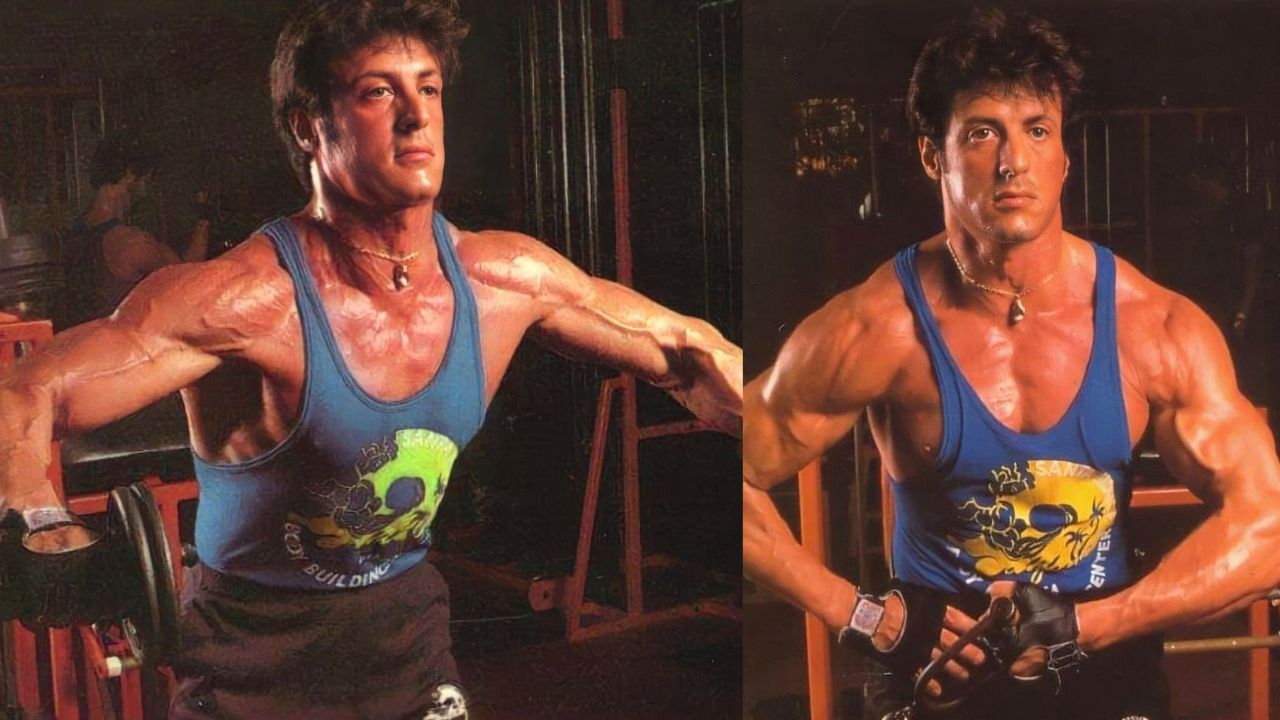
Sylvester Stallone has spent decades being associated with one of Hollywood's most recognisable muscular physiques. From Rocky Balboa to John Rambo, his body became an important part of the characters he portrayed on screen. But at 80, the actor has opened up about the darker side of maintaining that image, revealing that his pursuit of an extremely lean and muscular body once became an unhealthy obsession. In a recent interview with The New York Times, Stallone said he developed bulimia while preparing for Rocky III and reached an extremely low reported body fat level of 2.6 per cent. He also acknowledged using steroids during the period and said the physical demands he placed on his body eventually came at a "terrible toll". Stallone has also spoken about undergoing multiple surgeries following years of physically demanding training and stunts.
In India, several Bollywood celebrities have also spoken openly about the pressure to achieve a muscular physique. One such actor was Imran Khan, who revealed in interviews that he felt compelled to bulk up to fit Bollywood's conventional image of a leading man. He admitted to experimenting with anabolic steroids during a period when lean actors were often considered less "heroic" on screen. Also, Salman Khan has repeatedly warned against steroid misuse, cautioning young gym-goers about its links to organ strain, kidney damage, and heart failure. Celebrities experience raises a broader question about fitness culture today: how far should someone go to achieve a muscular, highly defined physique?
Fitness Is A Lifestyle, Not A 90-Day Transformation
According to Kailash Menon, Founder, Lakshya Strength and Conditioning, the pressure to achieve dramatic physical transformations can sometimes push people towards unhealthy choices. Social media has made dramatic before-and-after transformations a regular part of fitness culture. But Menon says people need to understand that building a strong physique is generally a long-term process. "As a coach, it's my duty to inscribe the fact that fitness is a lifestyle, it's not a 90-day transformation Instagram highlight reel. Anything good takes time, anything fast and easy isn't healthy nor will it last long," he says. The timeline can vary substantially depending on genetics, training history, nutrition, recovery and consistency. Menon says that, for many people, building a "decent body" can take at least three to five years of sustained work.
That may be a difficult message to accept in an environment where social media often showcases dramatic transformations within a few weeks or months. But comparing your progress with highly edited images or unusually rapid transformations can create unrealistic expectations.
Why Steroids Can Be Dangerous
"One of the major concerns is their effect on cholesterol levels. Steroid use can lower protective HDL cholesterol and increase LDL cholesterol, which may contribute to the formation of fatty deposits in the arteries. This can increase the risk of atherosclerosis, heart attack and stroke. Steroids may also raise blood pressure by promoting fluid retention and affecting the way blood vessels function. Over time, uncontrolled blood pressure can put additional strain on the heart," says Dr Akhil Kumar Rastogi, Senior Director and HoD, Cardiology, ShardaCare - Healthcity.
Anabolic-androgenic steroids are synthetic substances related to testosterone. They can increase muscle mass and strength, but non-medical use can carry significant health risks. Potential complications associated with anabolic steroid misuse include cardiovascular problems, changes in cholesterol and blood pressure, liver complications with certain preparations, reproductive effects and psychological or mood-related effects. The risks can vary depending on the substance, dose, duration and whether other drugs are being used.
Menon says people considering steroids should not treat them as a shortcut to fitness. "Steroids, even a mild cycle, can erode your body and brain very quickly," he says, highlighting concerns around organ damage, cardiovascular problems and psychological effects. His broader point is that the pursuit of an appearance should not come at the cost of long-term health.
Extreme Leanness Is Not The Same As Good Health
According to Dr Rastogi, long-term or high-dose use of has also been associated with changes in the structure and function of the heart, including thickening of the heart muscle and impaired pumping or relaxation. Some individuals may also experience abnormal heart rhythms, which can become particularly concerning when combined with intense workouts, dehydration, or other performance-enhancing substances. A very low body fat percentage may look impressive on screen or in photographs, but it should not automatically be considered a marker of health. Stallone's reported 2.6 per cent body fat while making Rocky III is an example of how an extreme physical target can become problematic when maintaining appearance takes priority over wellbeing.
Body fat is essential for normal physiological functions, and the amount considered healthy varies according to factors such as sex, age and individual physiology. Extremely low body fat can be difficult to sustain and may be associated with inadequate energy availability and other health problems. The goal of fitness, therefore, should not simply be to become as lean as possible.
Eating Disorders Can Affect Men Too
Stallone's disclosure also highlights an important issue that can sometimes be overlooked: eating disorders are not restricted to women or younger people. His description of becoming bulimic while obsessing over his physique shows how an intense focus on body composition can affect eating behaviour. Bulimia nervosa is a serious eating disorder involving recurrent episodes of binge eating followed by behaviours intended to prevent weight gain, such as self-induced vomiting, excessive exercise or other compensatory behaviours.
An obsession with calories, weight, body fat or muscularity should not be dismissed simply as "discipline" when it begins to interfere with normal eating, mental wellbeing or everyday life.
The Pressure To Look Fit Can Be Misleading
According to Menon, people should be particularly careful when evaluating fitness transformations on social media. "Most of the social media influencers are what the fitness world calls 'fake natties', or fake naturals, because they are themselves on anabolic steroids," he says. However, it is important to remember that an individual's steroid use cannot reliably be determined simply by looking at their physique. Claims about whether a particular influencer is a "natural" athlete should not be treated as established fact without credible evidence. What people can assess is whether a transformation claim sounds realistic. Extremely rapid changes in muscle mass or body composition, especially when presented as achievable by everyone through a particular programme, should prompt questions rather than blind imitation.
Research Your Gym Before Starting
According to Menon, choosing the right gym and coach is an important part of avoiding unhealthy fitness practices. Before joining, he recommends asking basic questions: Who will be your coach? What is their training philosophy? What are their credentials? What values does the gym promote? Does the environment focus on sustainable training or promise quick transformations?
"One needs to do thorough research before joining a gym," he says. A gym culture that constantly celebrates extreme physiques or pressures members to transform rapidly can influence people to make decisions they might otherwise avoid.
What Should An "Action Hero Body" Really Mean?
Stallone's own reflection on his career offers a useful way to rethink what fitness means. Menon believes the modern idea of an action-hero physique should move away from simply being muscular and extremely lean. "An action hero body in the modern world is one that's healthy enough to survive lifestyle diseases, depression and be full of vigour and vitality to take life head on," he says. In other words, fitness should be measured by more than how someone looks in a mirror. Strength, cardiovascular health, mobility, adequate nutrition, sleep, recovery and psychological wellbeing are all part of a healthier approach to fitness.
Sylvester Stallone's revelations do not mean that intense training or building muscle is inherently unhealthy. The concern begins when appearance becomes the overriding goal and a person starts ignoring physical or psychological warning signs. His experience also serves as a reminder that the physique seen on a movie screen may involve years of training, carefully controlled nutrition, professional support and, in some cases, methods that carry health risks. For most people, sustainable fitness is less about achieving a dramatic transformation in a few months and more about building habits that can be maintained for years. A strong body is valuable, but strength, health and longevity should not be sacrificed simply to look stronger.
Disclaimer: This content including advice provides generic information only. It is in no way a substitute for a qualified medical opinion. Always consult a specialist or your own doctor for more information. NDTV does not claim responsibility for this information.