

)
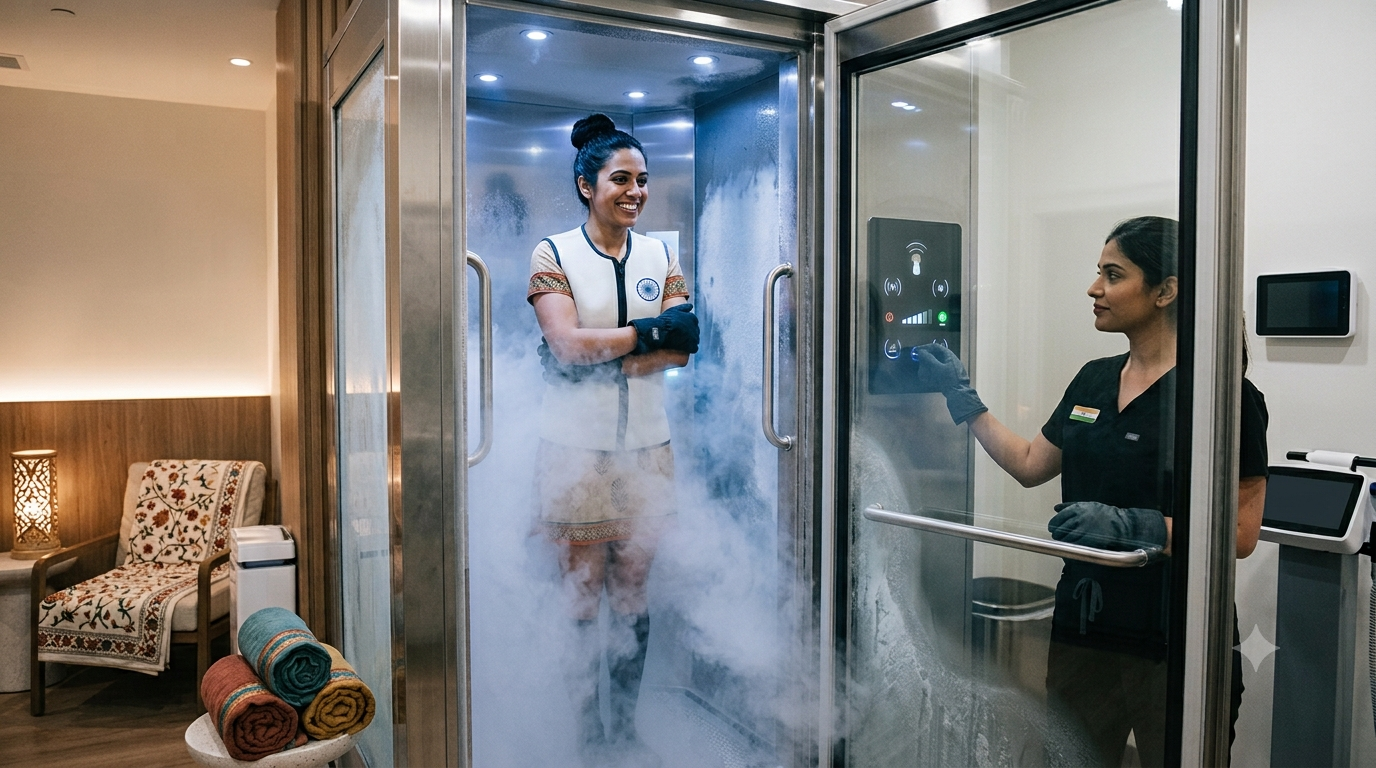
After an intense workout, many people turn to cold therapy to ease soreness and speed up recovery. Two of the most popular options are cryotherapy and ice baths. While both expose the body to extremely cold temperatures, they work in different ways and may offer different benefits. So, which one is actually better for muscle recovery? The answer depends on what you are trying to achieve, how intense your workout was and how often you use cold therapy. Cryotherapy involves exposing the body to very cold temperatures for a short period. In whole-body cryotherapy, a person typically stands in a specialised chamber where extremely cold air surrounds the body for a few minutes.
"Whole-body cryotherapy involves brief exposure, usually for about two to four minutes, to extremely cold air. It is often preferred by athletes and fitness enthusiasts because the treatment is quick and does not require immersion in water. Cryotherapy may help reduce the sensation of muscle soreness and provide a feeling of increased energy and freshness," says Dr Hatinder Jeet Singh Sethi, Director, Department of Internal Medicine, Fortis Hospital,Manesar.
What Is Cryotherapy?
The treatment is designed to produce a rapid cooling effect on the skin and may temporarily alter blood flow and pain perception. Some athletes use cryotherapy after demanding training sessions because they believe it can reduce muscle soreness and help them feel ready for their next workout. However, the evidence for whole-body cryotherapy is still developing, and it should not be considered a replacement for adequate sleep, nutrition and proper recovery.
What Is An Ice Bath?
An ice bath, also known as cold-water immersion, involves sitting in cold water for a short period, usually with the legs or much of the body submerged. Unlike whole-body cryotherapy, cold-water immersion directly surrounds the muscles with cold water. The cold exposure can reduce blood flow to the immersed tissues temporarily and may reduce the sensation of pain and muscle soreness following strenuous exercise. Cold-water immersion has been studied more extensively than whole-body cryotherapy in sports recovery.
How Do They Help With Muscle Soreness?
Both approaches may help reduce the perception of muscle soreness after intense exercise. Cold exposure can temporarily numb pain and alter circulation in the affected tissues. This may make an athlete feel less sore and more comfortable in the hours following exercise. However, feeling less sore does not necessarily mean that the muscles have completely recovered. Muscle repair still depends on adequate protein and energy intake, hydration, sleep and appropriate rest between demanding training sessions.
Cryotherapy Vs Ice Bath: Which Is More Effective?
For most people specifically looking for post-exercise muscle recovery, cold-water immersion has stronger practical evidence behind it than whole-body cryotherapy. Ice baths can be particularly useful after intense endurance exercise, competitions or repeated high-intensity sessions when reducing short-term soreness and improving perceived recovery is the priority. Whole-body cryotherapy may also reduce soreness in some circumstances, but evidence about whether it provides a meaningful advantage over simpler recovery methods remains less certain. In other words, more extreme cold does not automatically mean better recovery.
Can Ice Baths Improve Athletic Performance?
They may help indirectly. If cold-water immersion reduces soreness after a demanding session, an athlete may feel more comfortable during subsequent training or competition. This can be particularly relevant when athletes have multiple events or training sessions close together. However, using cold therapy after every strength-training session may not always be ideal.
Could Cold Therapy Interfere With Muscle Growth?
This is an important consideration for people who train primarily for muscle growth. Cold-water immersion immediately after resistance training may reduce some of the inflammatory and cellular responses involved in muscle adaptation. Some research suggests that frequent post-workout cold immersion could potentially blunt certain strength and hypertrophy adaptations. That does not mean an occasional ice bath will prevent muscle growth. Rather, people whose primary goal is building muscle may want to avoid making immediate post-strength-training cold immersion a routine habit. Athletes prioritising short-term recovery between competitions may have a different reason for using it.
When Might An Ice Bath Make More Sense?
Cold-water immersion may be useful when:
- You have completed an unusually hard workout
- You have several competitions or training sessions close together
- Muscle soreness is interfering with movement
- You need short-term relief from post-exercise discomfort
- You are an athlete managing a demanding training schedule
It is not necessary after every workout.
What About Cryotherapy?
Whole-body cryotherapy may appeal to athletes because sessions are brief and do not require sitting in cold water. However, the treatment is more expensive and requires specialised equipment. There is also less evidence that it provides substantially better recovery than simpler approaches such as cold-water immersion.
For recreational exercisers, spending money on cryotherapy may therefore offer less value than investing in fundamentals such as adequate sleep, nutrition and a well-designed training programme.
What Is Better For Different Goals?
For Reducing Post-Workout Soreness
Ice baths may have the edge, particularly when rapid relief and perceived recovery are the main goals.
For Muscle Growth
Neither should be considered essential. Frequent immediate cold exposure after resistance training may potentially interfere with some training adaptations.
For Elite Athletes
Either may have a role depending on the sport, competition schedule and recovery strategy. The choice should ideally be based on individual needs rather than trends.
For General Fitness
Neither is necessary for most people. Adequate sleep, hydration, nutrition, active recovery and sensible training progression remain more important.
Are Ice Baths Safe For Everyone?
Sudden exposure to very cold water can cause a rapid increase in breathing, heart rate and blood pressure. People with cardiovascular disease, uncontrolled high blood pressure, circulation problems or certain other medical conditions should speak with a healthcare professional before attempting cold-water immersion. Never use an ice bath as a test of endurance. Extremely cold water or prolonged exposure can increase the risk of hypothermia and other complications. Cryotherapy and ice baths can both be used as recovery tools, particularly for reducing the perception of muscle soreness after demanding exercise.
However, ice baths currently have stronger practical evidence for post-exercise recovery, while whole-body cryotherapy remains a more specialised and less well-established option. Neither is a magic recovery treatment. If your goal is long-term fitness or muscle growth, prioritise adequate protein and calories, hydration, sleep, rest and a well-structured training programme. Cold therapy can be an additional tool but it should not replace the basics
Disclaimer: This content including advice provides generic information only. It is in no way a substitute for a qualified medical opinion. Always consult a specialist or your own doctor for more information. NDTV does not claim responsibility for this information.