

Running is more than a form of exercise for many fitness enthusiasts. Running is part of a routine that helps improve cardiovascular health , keep a healthy weight and manage stress. Running outdoors however may not always be the choice when air pollution rises in Indian cities especially in Delhi-NCR. When the Air Quality Index (AQI) reaches very poor or severe levels running outdoors can raise exposure, to harmful pollutants, especially fine particulate matter (PM2.5). During running breathing becomes faster and deeper so the lungs take in air and possibly more pollutants. Does skipping an outdoor run mean losing fitness goals? Not necessarily. You can keep fitness boost endurance and stay active by switching to indoor workouts and other alternatives. Here are seven exercises you can try when high AQI levels make outdoor running unsafe.
1. Treadmill Running
A treadmill is one of the closest alternatives to outdoor running. It allows you to maintain your usual running routine without exposing yourself to outdoor pollution. You can adjust the speed and incline according to your fitness level, making it suitable for beginners as well as experienced runners. If you usually run for 30 minutes outdoors, you can maintain a similar duration indoors, provided you are comfortable with the intensity. Choose a gym or indoor space with effective air filtration.
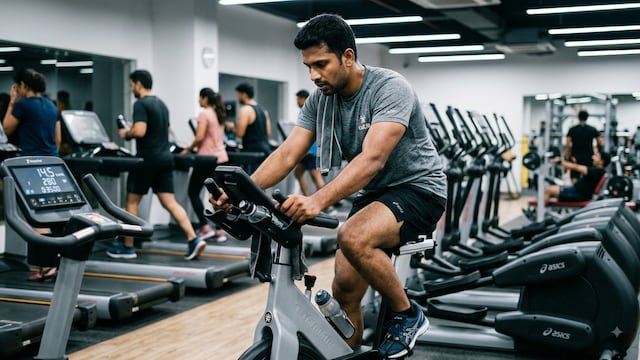
2. Indoor Cycling
Indoor cycling is an effective way to maintain cardiovascular fitness when outdoor running is not advisable. It engages the lower-body muscles, including the quadriceps, hamstrings, glutes and calves, while allowing you to control the intensity of your workout. You can begin with 20-30 minutes of moderate cycling and gradually increase the duration or resistance according to your fitness level.
READ | Fighting Air Pollution From Within: What Should You Eat To Protect Your Health?
3. Skipping Rope
Skipping rope is a simple exercise that can help improve cardiovascular endurance, coordination and agility. It also engages several muscle groups, including the calves, shoulders, forearms and core. You can start with short intervals of 30-60 seconds, followed by adequate rest. Repeat the cycle according to your fitness level. However, skipping is a high-impact activity and may not be suitable for people with knee, ankle or other joint problems.
4. Stair Climbing
If you have access to a clean indoor staircase, stair climbing can be a useful alternative to running. It increases your heart rate while engaging the quadriceps, hamstrings, calves and glutes. You can begin with a few rounds and gradually increase the number of flights. Avoid rushing or climbing too quickly, particularly if you are new to this exercise. People with knee problems should consult a healthcare professional before incorporating intensive stair climbing into their routine.
5. High-Intensity Interval Training (HIIT)
High-intensity interval training involves alternating short bursts of intense activity with periods of recovery. A simple indoor HIIT session can include exercises such as jumping jacks, high knees, mountain climbers and bodyweight squats. For beginners, a 20-second activity period followed by 40 seconds of rest can be a reasonable starting point. The intensity should be adjusted according to individual fitness levels. HIIT can help maintain cardiovascular fitness, but it is not necessary to perform it every day. Allow adequate recovery between demanding sessions.
6. Swimming
Swimming is another alternative for people looking to maintain cardiovascular fitness without running outdoors. It engages multiple muscle groups, including the shoulders, back, core and legs. Since water supports body weight, swimming also places less impact on the joints compared with running. You can begin with 15-20 minutes of comfortable swimming and gradually increase the duration. Choose an indoor swimming pool with appropriate ventilation and water-quality standards.
7. Brisk Indoor Walking
If you do not enjoy high-intensity workouts, brisk indoor walking can help you remain active during periods of poor air quality. You can walk on a treadmill, use a spacious indoor walking area or simply move around your home. Walking at a comfortable but purposeful pace can help maintain daily physical activity without placing excessive stress on the joints. Start with 20-30 minutes and gradually increase the duration according to your fitness level.
A Few Precautions To Remember During High AQI
Skipping an outdoor run during periods of high pollution does not mean you have to stop exercising altogether. However, indoor workouts also require some precautions.
- Check the AQI before planning your exercise routine.
- Choose indoor spaces with effective air filtration and adequate ventilation.
- Avoid intense workouts if you experience coughing, wheezing, chest tightness or unusual breathlessness.
- People with asthma and other respiratory conditions should follow their doctor's advice.
- Maintain adequate hydration, sleep and nutrition to support recovery.
Disclaimer: This content including advice provides generic information only. It is in no way a substitute for a qualified medical opinion. Always consult a specialist or your own doctor for more information. NDTV does not claim responsibility for this information.