

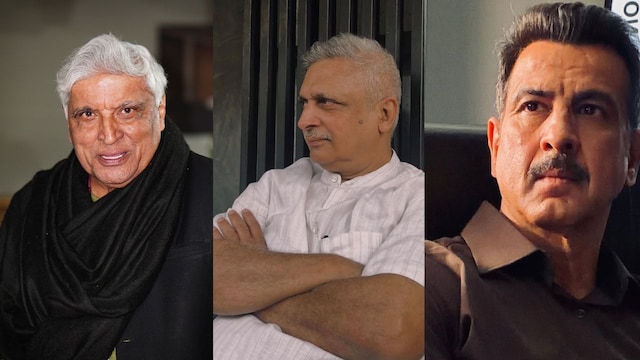
Alcohol consumption is often normalised at social gatherings, parties and celebrations. However, for some people, what begins as occasional drinking can gradually become difficult to control, affecting physical health, emotional well-being, relationships and professional life. Several Bollywood celebrities have spoken candidly about their experiences with alcohol, including the decision to stop drinking, seek professional help or work towards recovery. Writer-lyricist Javed Akhtar has discussed his past alcohol dependence, while actors Pooja Bhatt and Fardeen Khan have shared their experiences of sobriety. Bobby Deol has also spoken about how giving up alcohol affected his relationship with his family. Their accounts offer an opportunity to understand alcohol-related harm without glamourising addiction or treating recovery as a simple matter of willpower. While not every celebrity mentioned below has confirmed complete abstinence, their public experiences illustrate different aspects of problematic drinking and recovery. Here are 10 Bollywood personalities who have spoken about their relationship with alcohol, followed by what excessive drinking can do to your health.
1. Javed Akhtar
Writer and lyricist Javed Akhtar has spoken openly about his past struggle with alcohol dependence. In an interview, he recalled beginning to drink at the age of 19, initially as a social activity, before it gradually became a habit. He has described reaching a point when he was consuming a bottle of alcohol a day. Akhtar said he eventually decided to stop drinking on August 1, 1991, after recognising the potential consequences of continuing. His experience highlights how alcohol dependence can develop gradually, even when drinking initially feels like a recreational activity.
2. Pooja Bhatt
Actor and filmmaker Pooja Bhatt has been among the prominent Indian public figures to discuss alcohol dependence and recovery openly. In September 2020, she shared that she had been sober for three years and nine months, describing her decision to discuss recovery publicly as a conscious choice. Her account also highlighted the importance of acknowledging alcohol-related problems rather than concealing them. Her experience illustrates that recovery can involve sustained effort and support, rather than a single decision to stop drinking.
3. Fardeen Khan
Actor Fardeen Khan revealed in 2025 that he had stopped drinking alcohol in 2020 after recognising that it was interfering with his life. In an interview with Cyrus Broacha, he said he sought professional help to stop drinking and described becoming sober as one of the best decisions he had made. He also reflected on how giving up alcohol helped him feel more like himself again. His account underscores that professional support can be an important part of recovery, particularly when alcohol begins affecting everyday functioning.
4. Bobby Deol
Actor Bobby Deol has spoken about a difficult period when alcohol affected his behaviour and relationships with family members. In September 2025, he revealed that he had been sober for more than a year. He described how his drinking had affected those closest to him and explained that their fear and sadness became important reasons to reconsider his habits. In April 2026, he also spoke about being sober for around a year and a half, saying that the change had improved his relationship with his family and helped him feel more emotionally present. His experience highlights that problematic drinking can affect not only the person consuming alcohol but also the people around them.
5. Amitabh Bachchan
Actor Amitabh Bachchan wrote about giving up alcohol and smoking in a blog post discussed publicly in 2023. He reflected on his earlier experiences with drinking and described making a firm decision to stop. He said he had given up both habits for years, while acknowledging his past consumption. His account is a reminder that people can make significant changes to long-standing habits. However, his public statements about quitting alcohol should not automatically be interpreted as a disclosure of alcohol dependence.
6. Ronit Roy
Actor Ronit Roy spoke in 2025 about changing his lifestyle and giving up alcohol after a difficult period in his personal and professional life. He described how comparisons with Amitabh Bachchan prompted him to reflect on his behaviour and habits. Roy said he had engaged in several unhealthy habits and decided to change direction. His experience illustrates how personal reflection and changing one's priorities can become part of a broader effort to improve well-being.
7. Piyush Mishra
Actor, writer and lyricist Piyush Mishra has spoken candidly about a prolonged struggle with alcoholism that affected his personal and professional life. He has described how drinking became difficult to control and contributed to distress in his relationships. He also discussed seeking help and how spiritual practices, including Vipassana meditation, became part of his efforts to regain control. In interviews published in 2026, Mishra acknowledged that he had not completely overcome the problem. His account is an important reminder that recovery is not always linear and that a person may continue to need support even after making progress.
8. Manisha Koirala
Actor Manisha Koirala has spoken about her past relationship with alcohol and the difficulties she experienced during that period of her life. In interviews about her memoir, she discussed alcohol dependency alongside other personal challenges and reflected on the importance of understanding the choices and circumstances that affected her well-being. Her public account highlights the importance of addressing harmful drinking without stigma. However, it should not be taken as confirmation of a particular current drinking status unless supported by a more recent statement.
9. Kapil Sharma
Comedian and actor Kapil Sharma has been reported to have experienced alcohol-related difficulties during a challenging phase of his career. Media reports have described him seeking treatment for alcohol-related problems, highlighting how excessive drinking can affect work and everyday functioning. However, reports of past treatment do not establish whether someone currently abstains from alcohol. His story is best understood as an example of the importance of recognising problematic drinking and seeking appropriate help.
What Does Alcohol Addiction Do To Your Health?
Alcohol dependence is not simply a matter of drinking frequently. It can involve difficulty controlling consumption, strong cravings, continued drinking despite harmful consequences and, in some cases, withdrawal symptoms when alcohol use is reduced or stopped. The health effects of alcohol depend on the amount consumed, drinking patterns, duration of exposure and individual risk factors. Excessive consumption can affect several organs and systems.
1. It Can Damage The Liver
The liver processes alcohol, and excessive consumption can cause fat accumulation, inflammation and scarring. Alcohol-associated liver disease can progress from fatty liver to alcohol-associated hepatitis and cirrhosis. Advanced liver damage may lead to complications such as fluid accumulation, internal bleeding and liver failure. Early liver disease may not cause obvious symptoms, which is why medical assessment is important for people with a history of heavy drinking.
2. It Can Affect The Brain And Mental Health
Alcohol affects brain function, including judgement, coordination, memory and reaction time. Intoxication can increase the risk of accidents, injuries and impulsive behaviour. Long-term heavy drinking can also contribute to cognitive problems and neurological complications. Alcohol may worsen sleep quality and can interact with depression, anxiety and other mental health conditions. Although some people use alcohol in an attempt to manage stress, it can create a cycle in which drinking temporarily changes how they feel while contributing to further difficulties over time.
3. It Can Increase Cardiovascular Risks
Heavy or prolonged alcohol consumption can contribute to high blood pressure and increase the risk of conditions such as atrial fibrillation, a type of irregular heart rhythm. Excessive drinking can also contribute to weakening of the heart muscle, known as alcoholic cardiomyopathy, in some individuals. Reducing or avoiding alcohol can help lower alcohol-related cardiovascular risks, although the benefits depend on the person's drinking history and overall health.
4. It Increases The Risk Of Certain Cancers
Alcohol consumption is associated with several cancers, including cancers of the mouth, throat, oesophagus, liver, breast and colorectum. The risk generally increases with greater exposure. There is no established risk-free threshold for alcohol-related cancer, and even low levels of consumption can carry some risk. Avoiding alcohol reduces exposure to this risk factor.
5. It Can Affect Relationships And Daily Functioning
Alcohol-related harm is not limited to physical illness. Problematic drinking can affect concentration, work performance, family relationships, finances and emotional well-being. People may find themselves repeatedly drinking more than intended or continuing despite negative consequences. These patterns can be distressing for both the individual and their family. Recognising these changes early and seeking professional support can help prevent further harm.
Can The Body Recover After Quitting Alcohol?
Stopping alcohol can improve health, but the extent and pace of recovery vary according to previous consumption, the presence of organ damage and other individual factors. Some people notice improvements in sleep, energy levels and day-to-day functioning. Over time, avoiding alcohol can also reduce exposure to several alcohol-related health risks. The liver may recover substantially from early alcohol-related changes, particularly when significant scarring has not developed. However, advanced cirrhosis may be irreversible, even when alcohol consumption stops.
Recovery is not always straightforward for people with alcohol dependence. Suddenly stopping alcohol after prolonged heavy drinking can cause withdrawal, which may involve tremors, sweating, anxiety, vomiting and a rapid heartbeat. Severe withdrawal can lead to seizures or delirium and may be life-threatening. People who drink heavily or experience withdrawal symptoms should seek medical advice before stopping abruptly. Supervised withdrawal management, counselling, medication and ongoing support may be needed. The experiences shared by Bollywood personalities show that people can reconsider their relationship with alcohol at different stages of life. Some have described sustained sobriety, while others have spoken about treatment, recovery or continuing difficulties. Their accounts should not be treated as medical evidence or as a substitute for professional guidance. Alcohol dependence is a health condition, not a moral failing, and seeking help is an important step towards recovery.
If drinking is affecting your health, relationships or ability to manage everyday responsibilities, speak to a qualified healthcare professional. With appropriate support, recovery is possible, and reducing alcohol-related harm can improve long-term well-being.
Disclaimer: This content including advice provides generic information only. It is in no way a substitute for a qualified medical opinion. Always consult a specialist or your own doctor for more information. NDTV does not claim responsibility for this information.