

)
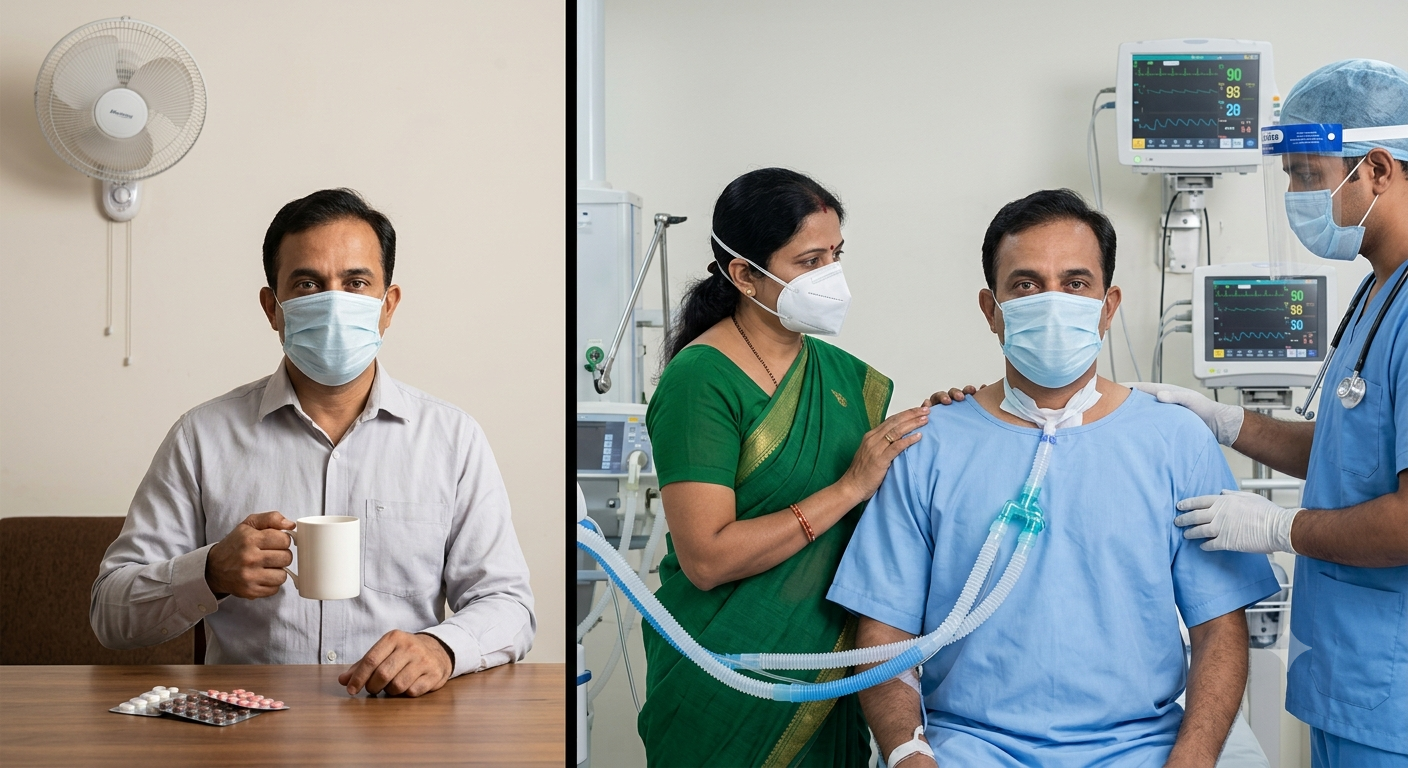
During an influenza outbreak, two people living in the same house can catch the same H1N1 virus strain and yet experience drastically different outcomes. One might spend three days under a blanket with a moderate fever and mild body aches, recovering smoothly with rest and hot tea. The other might suddenly struggle for breath within 48 hours, rapidly deteriorating until they require high-flow oxygen or intensive care unit (ICU) monitoring. This stark difference can often leave families shocked. Why does swine flu act like a transient seasonal cold for one individual while turning into a life-threatening medical emergency for another?
Why Some People Get Mild H1N1 While Others Land In ICU
To understand this gap, NDTV spoke with Dr Chirag Tandon, Director of Internal Medicine at ShardaCare-HealthCity. According to Dr Tandon, the difference rarely comes down to a single cause; rather, it is driven by a complex interplay of host vulnerability, immune system mechanics, viral load, and how fast medical care is initiated.
1. High-Risk Vulnerabilities and Decreased Physiological Reserve
The primary factor determining how a body responds to H1N1 is the host's underlying baseline health. High-risk groups include older adults, young children, pregnant women, and individuals managing chronic health conditions such as asthma, chronic obstructive pulmonary disease (COPD), cardiovascular disease, diabetes, or immunocompromised states.
"H1N1 influenza can produce very different outcomes in different people. While many recover within a few days with rest and supportive care, others can develop severe pneumonia, breathing difficulties, organ complications and, in some cases, require intensive care," explains Dr Chirag Tandon.
He adds, "The difference is usually not because of a single factor but a combination of the person's health, immune response, viral illness severity and how quickly treatment is initiated."
Dr Tandon emphasises that high-risk individuals often lack the physiological reserve needed to withstand acute viral stress. For instance, in a diabetic patient or someone with pre-existing lung disease, the body struggles to maintain baseline gas exchange once systemic inflammation sets in, making organ failure more likely.
2. Viral Pneumonia, Cytokine Storms, and Secondary Infections
The virus itself can trigger severe biological cascades. While mild cases stay localised to the upper respiratory tract (nose and throat), H1N1 has a strong affinity for deep lung tissue.
When the virus descends into the lower respiratory system, it damages alveolar cells and disrupts the delicate pulmonary mucosal barrier. In severe cases, the immune system overreacts by releasing an excessive wave of inflammatory signalling molecules-a phenomenon known as a cytokine storm. This hyper-inflammatory response causes fluid buildup inside the air sacs, leading to primary viral pneumonia, low blood oxygen levels, and acute respiratory distress syndrome (ARDS).
"The infection itself can also become severe," notes Dr Chirag Tandon. "Influenza can cause viral pneumonia and significant inflammation in the lungs, leading to low oxygen levels and respiratory failure. In some patients, a secondary bacterial infection can further worsen the illness."
Scientific literature supports this dual-threat dynamic. Research published in the PMC Journal of Virology highlights that secondary bacterial superinfections which are most commonly caused by Streptococcus pneumoniae or Staphylococcus aureus can significantly worsen clinical outcomes by overwhelming host immune defences already damaged by the initial viral invasion.
Furthermore, genetic host factors play a silent role. A clinical review in Viruses Journal found that specific genetic variants affecting type-I interferon pathways (the body's primary innate antiviral barrier) can leave even young, otherwise healthy individuals unexpectedly susceptible to severe H1N1 pneumonia.
3. The Danger of Delayed Medical Intervention
Another critical variable in ICU admissions is timing. Neuraminidase inhibitors (antiviral medications like oseltamivir) work best when administered within 48 hours of symptom onset, as they halt active viral replication. When care is delayed, the viral load peaks, making severe tissue injury harder to reverse.
"Delayed medical attention is another important concern. A person may initially have typical flu symptoms but deteriorate rapidly, particularly when breathing difficulties or persistent high fever develop," warns Dr Chirag Tandon. "Warning signs such as shortness of breath, chest pain, confusion, severe weakness, bluish lips or face, persistent vomiting or reduced urine output should not be ignored."
4. Can Healthy People Get Severe H1N1?
A common misconception is that a clean bill of health makes someone immune to severe swine flu. While underlying comorbidities increase risk, they are not a prerequisite for severe illness.
"Importantly, being otherwise healthy does not guarantee a mild illness. H1N1 can occasionally cause severe disease even in people without known risk factors," cautions Dr Chirag Tandon. "Early medical assessment, appropriate antiviral treatment when indicated, vaccination and timely recognition of warning signs can help reduce the risk of serious complications."
Whether H1N1 presents as a mild seasonal disruption or escalates into an ICU admission depends on a delicate balance between viral aggressiveness, host genetics, pre-existing comorbidities, and treatment speed. Vaccination remains the most effective preventive measure to attenuate disease severity across all age groups. Recognising red-flag symptoms early, especially breathlessness and chest tightness, and seeking immediate clinical evaluation can mean the difference between recovering at home and facing critical complications.
Also Read: H1N1 Fever Relief: When To Use Paracetamol And When You Need Antivirals
Disclaimer: This content including advice provides generic information only. It is in no way a substitute for a qualified medical opinion. Always consult a specialist or your own doctor for more information. NDTV does not claim responsibility for this information.