

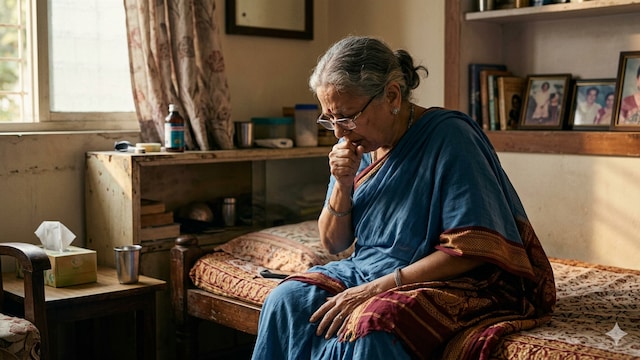
Growing older should not mean losing control over your healthcare, independence or dignity. Yet, for many senior citizens in India, ageing can bring challenges that extend beyond medical problems, including financial insecurity, social isolation, inadequate caregiving and vulnerability to abuse. As families become smaller and younger members migrate for work, the traditional expectation that relatives will provide all elder care is becoming increasingly difficult to sustain.
Against this backdrop, Kerala has introduced the Keralam Senior Citizens (Care and Protection of Rights) Bill, 2026, proposing a comprehensive legal framework for elderly care. Presented in the state Legislative Assembly on October 13, the Bill seeks to regulate care centres and caregivers, recognise older adults' healthcare preferences and strengthen protection against abuse and financial exploitation. It has been referred to the Assembly's subject committee and is not yet law.
The move comes as India prepares for a major demographic shift. The senior citizen population is projected to reach approximately 230 million by 2036, or around 15% of the population. The United Nations Population Fund (UNFPA) estimates that people aged 60 and above could account for approximately 20% of India's population by 2050.
The proposed legislation could offer a blueprint for addressing the health and social needs of an ageing India.
Why Kerala's Senior Citizens Bill Matters
Kerala is ageing faster than many other Indian states. According to the International Institute of Migration and Development, people aged 60 and above accounted for 15% of the state's population in 2021, up from 12.7% in 2011. Their share is projected to reach 30% by 2051.
The Bill reflects the need to move beyond viewing elderly care solely as a family responsibility. It proposes a system in which older adults can access professional care, report abuse and exercise greater control over decisions affecting their lives.
Dr Rajeev Jayadevan, former president of IMA Cochin and convener of its Research Cell, said the principles behind the Bill could eventually be relevant across India. He highlighted the implications of urbanisation and shrinking nuclear families, which can leave fewer relatives available to provide full-time care.
The challenge is particularly significant for older people living with chronic illnesses, disabilities or age-related limitations, who may require regular medical consultations, assistance with daily activities and, in some cases, palliative care.
Living Wills And The Right To Make Healthcare Decisions
One of the proposed Bill's significant features is the recognition of living wills. These documents allow individuals to record their preferences regarding medical treatment in advance, in case they become unable to communicate their wishes.
Such preferences may concern intensive-care admission, invasive procedures, feeding tubes or other life-sustaining interventions. The Bill outlines a process for executing and preserving these documents through designated district-level authorities and care providers.
Dr Jayadevan highlighted patient autonomy in end-of-life decisions, noting that living wills can help families and healthcare professionals understand an individual's wishes and potentially avoid unwanted medical interventions.
For older adults with progressive neurological conditions or serious illnesses, advance care planning can be an important part of person-centred healthcare. It allows patients to discuss their priorities while they can still communicate their preferences.
However, living wills are not a substitute for medical advice or discussions with family and healthcare teams. Their implementation must follow applicable legal requirements and ensure that decisions are informed and voluntary.
READ | Flu Season Is Here: Why Doctors Say October Is Time For Your Shot
Trained Caregivers And Safer Elderly-Care Centres
The Bill proposes mandatory registration for elderly-care centres and caregivers, alongside prescribed service standards. It also envisages a Keralam Geriatric Care Certification Framework, with graded certification, structured training, background verification and refresher training every three years.
Caregivers providing live-in care to older adults living alone, or working in senior-care centres, would be subject to specified police-clearance requirements.
These measures address an important gap in elderly care: the need for trained professionals who understand age-related conditions, medication routines, mobility limitations and the risks of neglect or abuse.
Older adults may have several conditions simultaneously, including diabetes, hypertension, cardiovascular disease and visual impairment. Some may also need support with dementia, rehabilitation or daily activities. Caring for them requires more than general assistance; it calls for appropriate training, patience and an understanding of their medical needs.
Dr Jayadevan also emphasised the importance of trained, certified caregivers and effective oversight of care providers. The Bill further proposes protections for caregivers, including fair pay, safe working conditions and social security. These provisions matter because a more reliable elderly-care system depends on both the safety of older people and the welfare of those providing care.
Protection From Abuse, Neglect And Cyber Fraud
Elder abuse can take several forms, including physical violence, emotional mistreatment, neglect and financial exploitation. Older adults may also face coercion involving property, pensions or savings.
The proposed legislation broadens the definition of abuse and exploitation to include economic abuse, breaches of trust and the deprivation of essential goods and services.
It also addresses cyber fraud, including online banking scams, identity theft and the use of AI-generated content to deceive older people. Dr Jayadevan stressed that digital literacy and safeguards against online scams are increasingly important as senior citizens use digital platforms for banking and other everyday services.
The Bill proposes protection units and district-level forums to receive complaints, inspect care facilities and take appropriate action. It also envisages senior-citizen police nodal officers and a dedicated state reserve fund for welfare, protection and social security.
The proposed penalties include imprisonment of up to three years and fines of up to Rs 50,000 for specified offences such as abuse, cruelty, abandonment and illegal possession of a resident's property.
READ | Living Past 100: Japan's Centenarian Population Hits Record 100,000 For The First Time
What India's Ageing Population Needs
The need for stronger elderly-care systems extends well beyond Kerala. The India Ageing Report 2023, prepared by UNFPA and the International Institute for Population Sciences, highlights the challenges posed by poverty, inadequate social security, disability and limited access to public health facilities.
The report also identifies barriers to digital inclusion and the stigma surrounding conditions such as dementia and Alzheimer's disease.
India already has the Maintenance and Welfare of Parents and Senior Citizens Act, 2007, alongside government schemes and programmes supporting older adults. However, population ageing calls for better coordination between healthcare services, social protection, community support and professional caregiving.
The proposed concept of "ageing in place" is particularly important. It prioritises enabling older people to remain safely in their homes and communities, with institutional care considered when necessary. Accessible public spaces, affordable home care, day-care services, emergency medical assistance and social participation can help older adults maintain independence.
Kerala's proposed Senior Citizens Bill places dignity, autonomy and protection at the centre of elderly care. Its provisions on living wills, caregiver certification, regulated care facilities and safeguards against abuse address challenges that are likely to become increasingly important across India.
The legislation's eventual impact will depend on implementation, adequate funding, accessible services and effective monitoring. For India, the larger lesson is that ageing must be addressed as a healthcare and social-policy priority, rather than left entirely to individual families.
A society prepared for longer lives must ensure that older adults can access appropriate medical care, make informed decisions and live safely, independently and with dignity.
Disclaimer: This content including advice provides generic information only. It is in no way a substitute for a qualified medical opinion. Always consult a specialist or your own doctor for more information. NDTV does not claim responsibility for this information.