

)
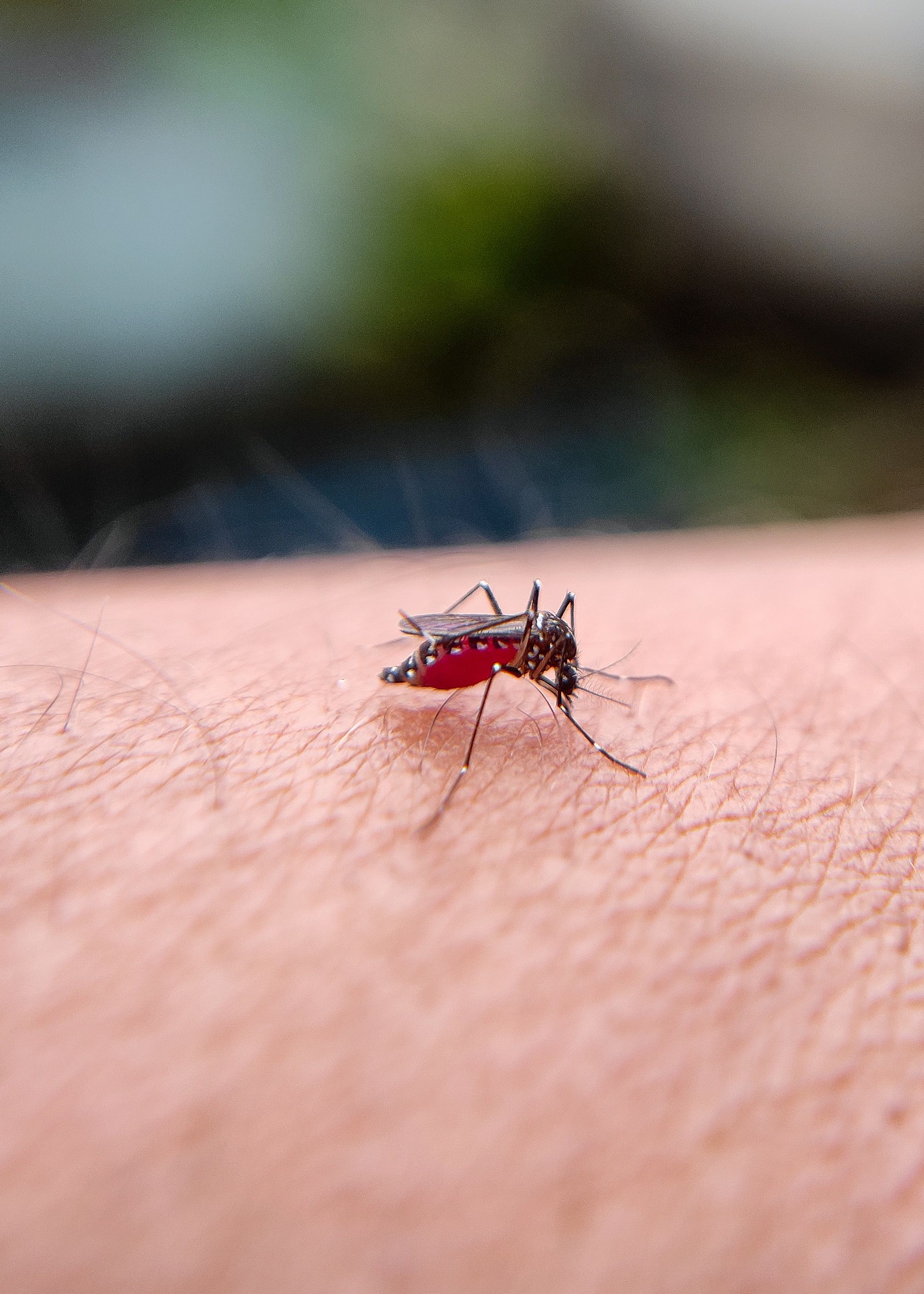
According to surveillance data published by the National Center for Vector Borne Diseases Control (NCVBDC) under the Ministry of Health and Family Welfare (MoHFW), India reported over 1,21,800 dengue cases in 2025. Ongoing surveillance data highlights a stark reality that changing weather patterns and rapid urban density have turned dengue from a short seasonal monsoonal outbreak into a year-round endemic threat across both metro cities and expanding tier-2 hubs. Understanding how to prevent dengue requires moving beyond basic reliance on outdoor fogging and casual mosquito coils. Driven by the daytime-biting Aedes aegypti mosquito, effective dengue fever prevention demands a multi-layered, systematic approach combining household source reduction, physical defence, and clinical vigilance.
How To Prevent Dengue From Spreading
1. Eliminate Indoor and Outdoor Breeding Grounds
The Aedes aegypti mosquito is a container-breeding species that relies almost exclusively on clean, stagnant water inside or immediately around domestic spaces. It requires as little as a bottle cap's worth of water to complete its egg-to-adult larval transformation. Here is how you can reduce your risk of developing dengue:
- Empty, scrub, and thoroughly dry bird baths, plant saucers, AC drip trays, and air coolers at least once every 7 days.
- Piped water disruptions often force residents to store water.
- Keep overhead tanks, cement sumps, drums, and storage buckets tightly covered with airtight lids or ultra-fine wire mesh.
- For larger unsealed water bodies or construction collection sites that cannot be drained immediately, apply larvicides such as Bacillus thuringiensis israelensis (BTI) or temephos granules.
Dr. Neha Gupta, Consultant of Infectious Diseases, Fortis Memorial Research Institute (FMRI), Gurugram, explains, "The single biggest mistake people make during dengue surges is relying solely on municipal chemical fogging outside while ignoring standing water inside their own living rooms and balconies."
She adds, "Aedes mosquitoes are indoor-dwelling, daytime-biting insects that thrive close to human activity. Preventing dengue fever at home starts with rigorous, weekly physical removal of clean standing water, because no amount of space spraying can kill larvae protected inside an untended planter tray."
2. Personal Defence And Barrier Protection
Personal barrier protection serves as your immediate line of defence against viral transmission. Here are practical ways to implement these types of strategies:
- Apply topical insect repellents by any environmental agency-approved containing 20-30% of DEET, picaridin, or IR3535 to exposed skin.
- Reapply according to product instructions, especially during peak biting hours at dawn and dusk.
- Opt for loose-fitting, long-sleeved shirts and full-length trousers in light shades, as mosquitoes are visually attracted to dark clothing.
- Install fine wire mesh screens on windows and doors.
- Sleep under permethrin-treated bed nets if living in high-risk zones, resting during the day, or protecting infants and the elderly.
3. Clinical Research Insights On Vector Control And Pathology
Peer-reviewed medical journals confirm that vector control combined with proactive clinical awareness yields the best healthcare outcomes; here is what clinical research points to:
A comprehensive trial published in The Lancet Planetary Health demonstrated that targeted indoor residual spraying combined with community-led source reduction reduced local Aedes vector density by over 70%, outperforming passive outdoor fogging alone.
Research published in Scientific Reports highlighted that slight temperature increases accelerate the extrinsic incubation period (EIP) of the dengue virus inside the mosquito body.
This causes vector mosquitoes to bite more frequently, replicating and transmitting the virus faster during warmer spells.
4. Recognising Early Symptoms And Warning Signs
Knowing how to prevent dengue from escalating into a severe clinical crisis is just as vital as avoiding mosquito bites.
Typical Dengue Symptoms:
- Sudden high-grade fever (102 degrees Fahrenheit - 104 degrees Fahrenheit)
- Severe retro-orbital pain (pain behind the eyes)
- Intense joint, bone, and muscle aches ("breakbone fever")
- Persistent nausea, vomiting, and characteristic skin rash
Dr. Subramanian Swaminathan, Senior Consultant, Infectious Diseases, Gleneagles Hospitals, explains, "Most dengue management is supportive, but the critical phase typically begins between days 3 and 7 of the illness, precisely as the high fever begins to subside."
He advises, "Patients and carers often mistakenly drop their guard when the temperature normalises. However, this is when plasma leakage can occur. Watch for red flags like severe abdominal pain, persistent vomiting, mucosal bleeding from the nose or gums, and sudden lethargy. Immediate fluid resuscitation during this narrow window is what saves lives."
Dengue is no longer a localised seasonal threat that disappears with the monsoons; it is an ongoing public health challenge driven by urban growth, storage practices, and climate shifts. Protecting your family requires an active, year-round strategy by combining weekly source reduction inside your home with effective personal barrier defence and clear clinical awareness. By inspecting water traps, using proven repellents, and identifying early red flags promptly, you can effectively break the transmission cycle and safeguard your household against severe dengue complications.
Also Read: Does Stress Increase Cholesterol Directly, Or Is It Your Diet? Doctor Explains Both Pathways
Disclaimer: This content including advice provides generic information only. It is in no way a substitute for a qualified medical opinion. Always consult a specialist or your own doctor for more information. NDTV does not claim responsibility for this information.