

)
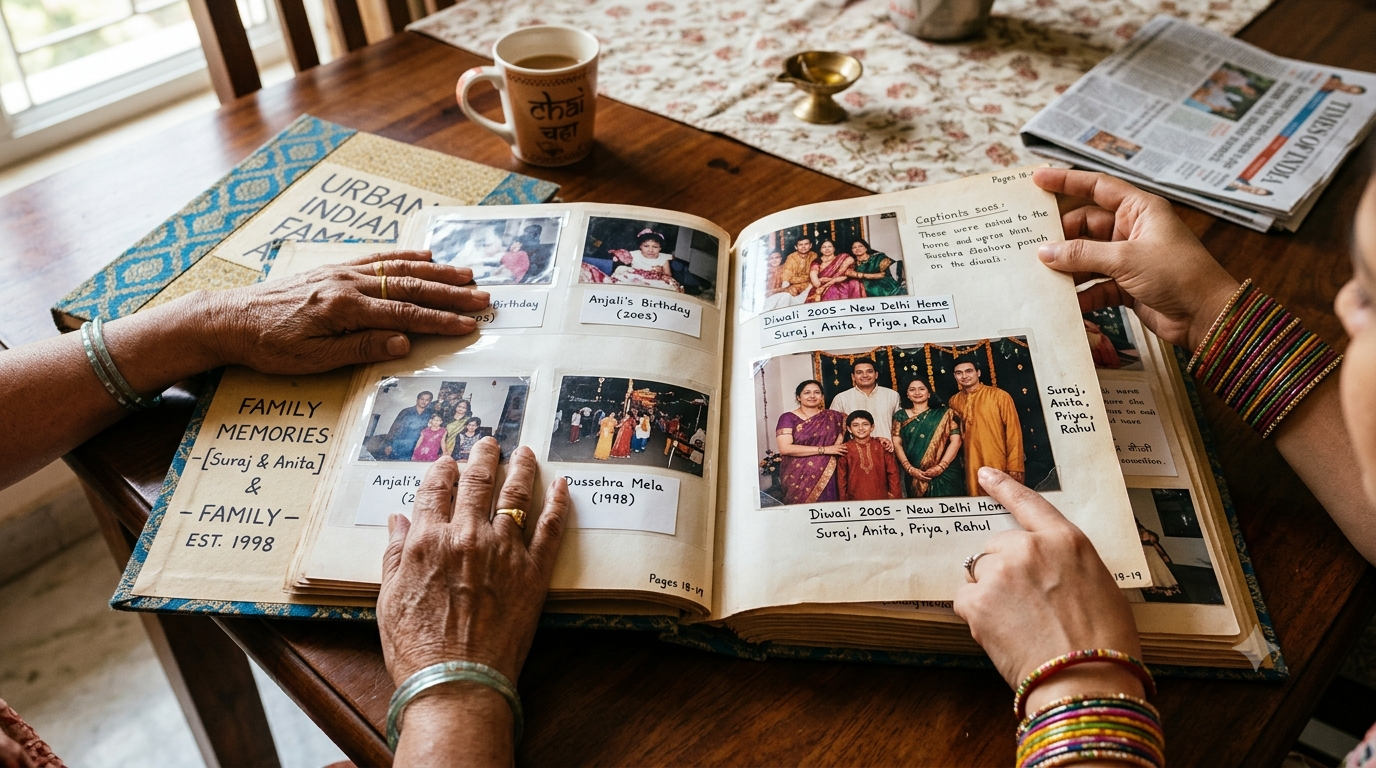
Most family photo albums are filled with memories of birthdays, weddings, festivals and milestones. But beyond capturing moments of joy, they may also tell a less obvious story, one about your family's health. Behind every smiling face could lie a pattern of illnesses that, when viewed together, offers valuable insight into your own future disease risk.
Family history is one of the most important yet often overlooked tools in preventive medicine. It doesn't mean that you will necessarily inherit a disease, but it can indicate whether you are more likely than the average person to develop certain conditions. Doctors say this knowledge allows individuals to take proactive steps through earlier screening, lifestyle modifications and, in some cases, genetic testing.
According to Dr Ankur Nandan Varshney, Senior Consultant, Medical Oncology, Cancer Care, Medanta, Noida, understanding your family's medical history can help identify inherited risks for conditions such as cancer, diabetes, hypertension, heart disease, thyroid disorders and certain neurological and eye diseases. Rather than waiting for symptoms to appear, knowing your family's health history allows doctors to create a personalised prevention plan that may improve outcomes through early detection.
Here's why your family history matters and how it can help shape your healthcare decisions.
Why Family Medical History Matters
Family medical history refers to information about diseases and health conditions affecting your close biological relatives, including parents, siblings, grandparents, aunts, uncles and children.
This information reflects a combination of:
- Shared genes
- Shared lifestyle habits
- Common environmental exposures
- Similar dietary and cultural practices
Together, these factors influence your risk of developing many chronic diseases.
Which Diseases Can Run In Families?
According to Dr Varshney, several conditions may show familial patterns, including:
- Breast cancer
- Ovarian cancer
- Colorectal cancer
- Prostate cancer
- Diabetes
- High blood pressure
- Heart disease
- Obesity
- Thyroid disorders
- Certain neurological diseases
- Some inherited eye disorders
Importantly, the conditions affecting different family members may not always be identical but can still point to an underlying inherited syndrome. "For instance, women in the same family may have breast cancer and endometrial cancer. Even though these are different cancers, they may still warrant further evaluation," explains Dr Varshney.
It's Not Just The Disease, Timing Matters Too
When discussing family history with your doctor, experts recommend collecting information beyond simply asking whether someone had a disease.
Try to find out:
- Which relative was affected?
- What disease did they have?
- At what age were they diagnosed?
- Did more than one family member develop the condition?
- Was it the cause of death?
Cancers diagnosed at unusually young ages or affecting multiple close relatives may suggest an inherited cancer syndrome requiring specialist evaluation.
Does A Family History Mean You'll Definitely Get The Disease?
No. Having a family history does not guarantee that you will develop the same condition. Instead, it means your risk may be higher than average.
Genes are only one part of the equation. Lifestyle factors, including diet, physical activity, smoking, alcohol consumption, sleep and stress, also play an important role in determining disease risk.
For many chronic illnesses, healthy lifestyle choices can significantly reduce risk even in people with a strong family history.
When Should You Consider Genetic Counselling?
If your family has multiple members affected by the same or related diseases, particularly cancers, your doctor may recommend genetic risk assessment and genetic counselling.
According to Dr Varshney, genetic counsellors help patients:
- Understand inherited risk
- Decide whether genetic testing is appropriate
- Interpret test results
- Discuss implications for other family members
Genetic testing is generally recommended only when personal or family history suggests an inherited cancer predisposition and when results are likely to influence medical care.
How Family History Helps Personalise Screening
One of the biggest benefits of knowing your family history is the opportunity for earlier and more targeted screening. Depending on your risk profile, your doctor may recommend:
- For breast cancer
- Earlier mammography
- Breast MRI for high-risk individuals
- For colorectal cancer
- Colonoscopy before the routine screening age if there is a strong family history
- For diabetes and heart disease
- Regular blood sugar testing
- Blood pressure monitoring
- Cholesterol screening
- Weight management
Early Detection Can Save Lives
Many diseases, including several cancers, are more treatable when detected early.
In some cases, identifying people at increased genetic risk allows doctors to:
- Detect disease before symptoms develop
- Monitor high-risk individuals more closely
- Recommend preventive medications where appropriate
- Consider preventive surgery in carefully selected cases
- Encourage lifestyle modifications that reduce disease risk
Early intervention not only improves survival but can also reduce treatment complexity and improve quality of life.
How To Build Your Family Health History
Experts recommend discussing health history during family gatherings while older relatives are available to share information.
Record details such as:
- Major illnesses
- Age at diagnosis
- Cause of death
- Ethnic background where relevant
- Known genetic conditions
Update this information regularly and share it with your healthcare provider during routine health check-ups.
Your family photo album tells the story of where you come from, but your family's medical history may also help shape where your health is headed. While inherited risk does not determine your future, understanding it allows doctors to recommend personalised screening, genetic counselling and preventive strategies that can identify disease earlier or even reduce the chances of developing it. As Dr Ankur Nandan Varshney points out, your family's medical past serves as a roadmap, not a prediction. Knowing that roadmap today could help you make healthier decisions for tomorrow.
Disclaimer: This content including advice provides generic information only. It is in no way a substitute for a qualified medical opinion. Always consult a specialist or your own doctor for more information. NDTV does not claim responsibility for this information.