

)
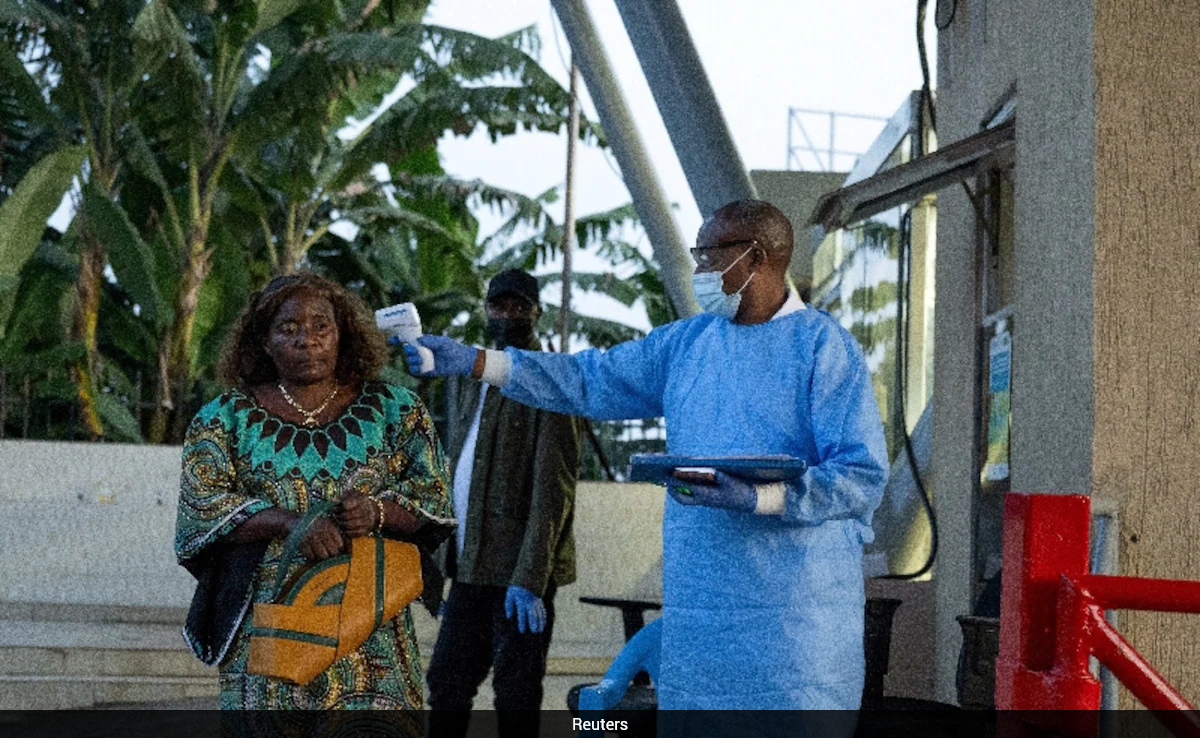
As Ebola outbreaks in the Democratic Republic of Congo and Uganda continue to raise global health concerns, one group consistently faces a disproportionately high risk of infection: caregivers. Whether they are family members nursing a sick relative at home, healthcare workers treating patients in overwhelmed facilities, or volunteers handling burials, caregivers often find themselves on the frontlines of exposure to one of the world's deadliest viruses. The World Health Organization (WHO) has repeatedly warned that Ebola spreads primarily through direct contact with infected bodily fluids, making close caregivers especially vulnerable. During previous outbreaks in the Democratic Republic of the Congo (DRC), Uganda, Guinea, and Sierra Leone, healthcare workers and family caregivers have frequently accounted for a significant share of infections.
The latest Ebola outbreak involving the Bundibugyo strain in the DR Congo and Uganda has once again highlighted the dangers faced by those providing care. WHO officials say delayed detection, close household contact, and inadequate infection-control measures continue to fuel transmission among caregivers and frontline workers. Understanding why this group faces elevated risk is essential for preventing further spread and protecting both patients and those who care for them.
Are Caregivers At A Higher Risk Of Catching The Virus?
The short answer is yes. WHO, caregivers are among the people most likely to contract Ebola because the virus spreads through direct contact with the blood, secretions, organs, or other bodily fluids of an infected person. Since caregivers are often involved in feeding, cleaning, transporting, or physically assisting patients, their chances of exposure increase significantly.
Why Are Caregivers More Vulnerable?
Ebola is not an airborne disease like measles or Covid-19. Instead, transmission occurs when infected bodily fluids enter the body through broken skin or mucous membranes such as the eyes, nose, or mouth.
WHO states that people can become infected through contact with:
- Blood
- Vomit
- Diarrhea
- Urine
- Saliva
- Sweat
- Semen
- Breast milk
- Contaminated bedding, clothing, and medical equipment
Because caregivers routinely come into contact with patients experiencing severe symptoms such as vomiting, diarrhoea, bleeding, and high fever, they face a much higher risk of infection than the general population. "Health and care workers have frequently been infected while treating patients with Ebola disease," WHO notes, particularly when infection-prevention measures are not strictly followed.
Also Read: WHO Fast-Tracks Vaccines, Drugs Against Deadly Ebola Bundibugyo Strain
Healthcare Workers: A Historically High-Risk Group
Healthcare workers have repeatedly been among the first victims during Ebola outbreaks. During the ongoing 2026 Bundibugyo Ebola outbreak in the Democratic Republic of the Congo, WHO investigations found that several healthcare workers were infected early in the outbreak. Reports indicate that multiple doctors, nurses, and Red Cross volunteers contracted the virus while caring for patients or handling bodies.
WHO's situation reports have also documented instances where healthcare workers became infected before the outbreak was officially identified, illustrating how dangerous delayed diagnosis can be. The challenge becomes even greater in regions with limited protective equipment, inadequate isolation facilities, and shortages of trained personnel.
Family Caregivers Face Similar Dangers
While hospitals receive much of the attention, family members caring for loved ones at home are also highly vulnerable. In many communities affected by Ebola, relatives often provide direct hands-on care before a diagnosis is made. This can involve cleaning bodily fluids, assisting with bathing, feeding patients, or transporting them to health facilities.
Research published in the journal Social Science & Medicine has shown that household caregiving practices and close family interactions play an important role in Ebola transmission dynamics, particularly in areas where healthcare access is limited.
Family caregivers may unknowingly expose themselves during the early stages of illness when symptoms resemble malaria, typhoid, or other common infections. By the time Ebola is suspected, multiple household contacts may already have been exposed.
Burial Practices Increase Exposure
Another major risk factor involves caring for individuals who have died from Ebola. WHO warns that the bodies of Ebola victims remain highly infectious. Traditional funeral rituals involving washing, touching, or kissing the dead can become major transmission events.
Several major Ebola outbreaks have been linked to funeral gatherings where family members and community caregivers came into direct contact with infected bodies. This is why WHO and outbreak-response teams emphasize "safe and dignified burials," where trained personnel handle bodies using protective equipment while respecting cultural traditions.
How Can Caregivers Protect Themselves?
WHO recommends several key precautions:
- Immediate isolation of suspected Ebola patients.
- Consistent hand hygiene using soap, water, or alcohol-based sanitizers.
- Use of personal protective equipment (PPE), including gloves, masks, gowns, and eye protection.
- Avoiding direct contact with blood and bodily fluids.
- Safe handling of contaminated clothing, bedding, and medical supplies.
- Seeking medical evaluation immediately after potential exposure.
Healthcare workers are also advised to follow strict infection-prevention and control protocols at all times, even before Ebola is confirmed. Vaccination may offer additional protection in outbreaks caused by the Ebola virus strain for which approved vaccines are available. However, no approved vaccine currently exists for every Ebola-causing species, including the Bundibugyo strain involved in the current outbreak.
What Is The Current Ebola Situation?
According to WHO, the ongoing outbreak in the Democratic Republic of the Congo and Uganda involves the Bundibugyo virus, one of the Ebola-causing viruses for which no approved vaccine currently exists.
As of late May 2026, hundreds of suspected cases and more than 200 suspected deaths had been reported. WHO has described the outbreak as a serious public health concern, warning that delayed detection and ongoing transmission have complicated containment efforts. The agency continues to emphasize community engagement, early diagnosis, contact tracing, and protection of caregivers as critical pillars of outbreak control.
Caregivers stand at the centre of every Ebola outbreak response, and unfortunately, they also face some of the highest risks. Whether they are doctors, nurses, community volunteers, or family members, their close contact with infected individuals places them directly in the path of transmission. WHO experts stress that proper protective measures, early isolation of cases, safe burial practices, and rapid medical intervention remain the most effective ways to protect caregivers and prevent further spread of the virus.
Disclaimer: This content including advice provides generic information only. It is in no way a substitute for a qualified medical opinion. Always consult a specialist or your own doctor for more information. NDTV does not claim responsibility for this information.