

)
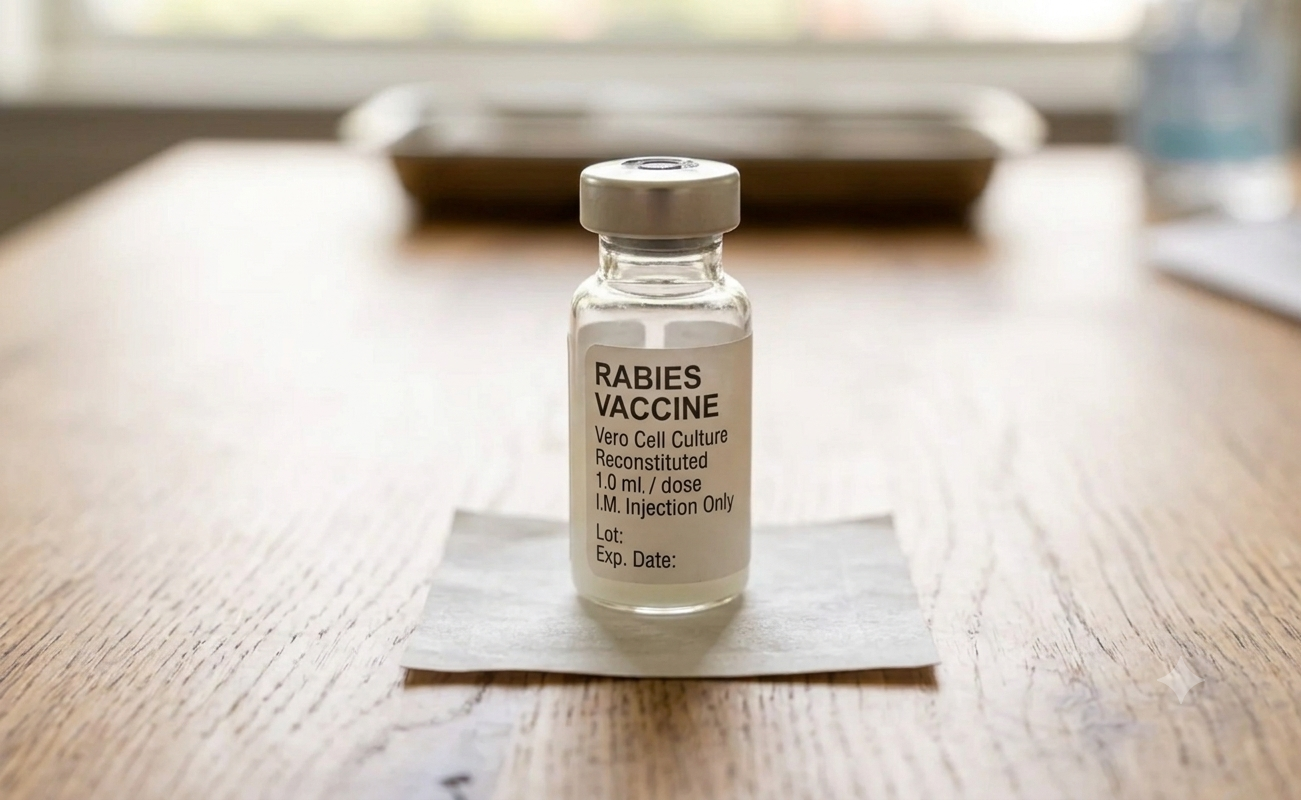
The Central Drugs Standard Control Organisation(CDSCO) has flagged a batch of the widely used Abhayrab rabies vaccine as "Not of Standard Quality" and potentially spurious after a field sample failed a potency test, even as the manufacturer says the vial tested by authorities was not made by it.
The sample, bearing Abhayrab batch number KE25012, was seized by drug authorities from an unlicensed residential premises in Mukherjee Nagar, Delhi, and sent to the Central Drugs Laboratory in Kasauli.
According to a government document reviewed by Reuters, the laboratory found that the sample did not meet potency requirements and classified it as NSQ and misbranded.
The regulator has asked state drug authorities to maintain strict vigilance over the movement and distribution of batch KE25012 and take regulatory action as required. The findings have also triggered an investigation into whether the seized vaccine could be a spurious drug under the Drugs and Cosmetics Act.
Indian Immunologicals Limited, which manufactures Abhayrab through its Human Biologicals Institute division, has disputed the identity of the seized vial. In a statement dated September 4, the company said the laboratory report recorded 17 differences between the seized vial and the retention samples of the genuine batch held by the laboratory.
"On that basis," the company said, the vials examined were not a product manufactured by Human Biologicals Institute.
Potency Failure, Packaging Differences Raise Questions
The Central Drugs Laboratory found that the field sample failed the potency requirement. While the sample passed tests for sterility, moisture and identity, the laboratory also found significant discrepancies when it was compared with the reference sample of the same batch submitted by Indian Immunologicals for regulatory testing.
The differences reportedly included labelling, artwork, QR-code verification, cap colour, licence details and packaging text. The regulator said these discrepancies raised concerns over the identity and authenticity of the product and warranted an investigation into whether it was spurious.
Indian Immunologicals has said the genuine batch KE25012 was independently tested and released by the Central Drugs Laboratory through a Batch Release Certificate dated November 7, 2025.
The company said 83,370 vials of the genuine batch were supplied only through its authorised distribution channel and that it had received no market complaint concerning batch KE25012.
Company Asks DCGI To Trace Source Of Vials
Indian Immunologicals said it submitted its manufacturing, quality-control, reconciliation and distribution records to CDSCO on August 14.
In a representation to the Drugs Controller General of India dated September 4, the company has asked authorities to trace the source of the seized vials and take action against those responsible.
The company has also said it is extending full cooperation to the investigation.
The central question now is how vials carrying the Abhayrab name and the genuine batch number KE25012 came to be found at an unlicensed premises if, as the manufacturer maintains, they do not match its genuine product.
Second Counterfeit Concern Involving Abhayrab
The latest development is significant as it is the second counterfeit-related concern involving Abhayrab in less than two years.
In January 2025, Indian Immunologicals had reported counterfeit Abhayrab doses bearing batch number KA24014 in the market. The episode subsequently led to warnings for travellers and healthcare providers from international health authorities. Australia's immunisation advisory group said people who had received the affected counterfeit vaccine could not be assumed to have been adequately protected and advised replacement vaccination in relevant cases.
The latest alert therefore comes against the backdrop of an earlier counterfeit episode involving the same vaccine brand. Reuters reported that Indian Immunologicals has supplied more than 210 million doses of Abhayrab in India and other countries over more than two decades.
Abhayrab is used for both pre-exposure and post-exposure protection against rabies and is also supplied to government immunisation programmes. India records an estimated 5,726 human rabies deaths annually, according to an estimate cited by Reuters.
What Does The Latest Alert Mean For Patients?
Indian Immunologicals has maintained that patients who received Abhayrab through hospitals, clinics, government facilities or licensed pharmacies are not affected by the issue involving the seized vials.
The company said every batch is independently tested and released for sale only after batch-release certification by the Central Drugs Laboratory.
It has specifically maintained that the genuine KE25012 batch was released after regulatory testing and entered the market only through its authorised distribution network.
However, the regulator's investigation will establish whether the seized vials were counterfeit or otherwise unlawfully manufactured or distributed, how they entered the supply chain and the extent of any circulation.
The government document does not establish how many doses bearing batch number KE25012 may have been distributed, or whether any such doses were exported. Reuters reported that the scope of distribution of the batch under investigation remains unclear.
Also Read: No Shortage Of Anti-Rabies Vaccine, Rabies Immunoglobulin In India: Union Health Minister J P Nadda
Disclaimer: This content including advice provides generic information only. It is in no way a substitute for a qualified medical opinion. Always consult a specialist or your own doctor for more information. NDTV does not claim responsibility for this information.