

)
Insulin resistance is a condition where the glucose released from the food that you eat isn't properly absorbed by the body's cells. This causes the pancreas to secrete more and more insulin, causing resistance in the body. In India, there is an epidemic of people who struggle with managing their blood glucose, and the % of those who are prediabetic and diabetic is only rising. Diabetes, being a chronic lifestyle disease, increases the overall healthcare burden for India, resulting in paying attention to ways to fix insulin resistance as quickly as possible.
In order to do so, you need to balance your diet as per your calorie count and focus on implementing solutions that have been validated by clinical research. People who are obese or have belly fat need to focus on balancing their risk of developing insulin resistance, as they could face significant health issues as a result.
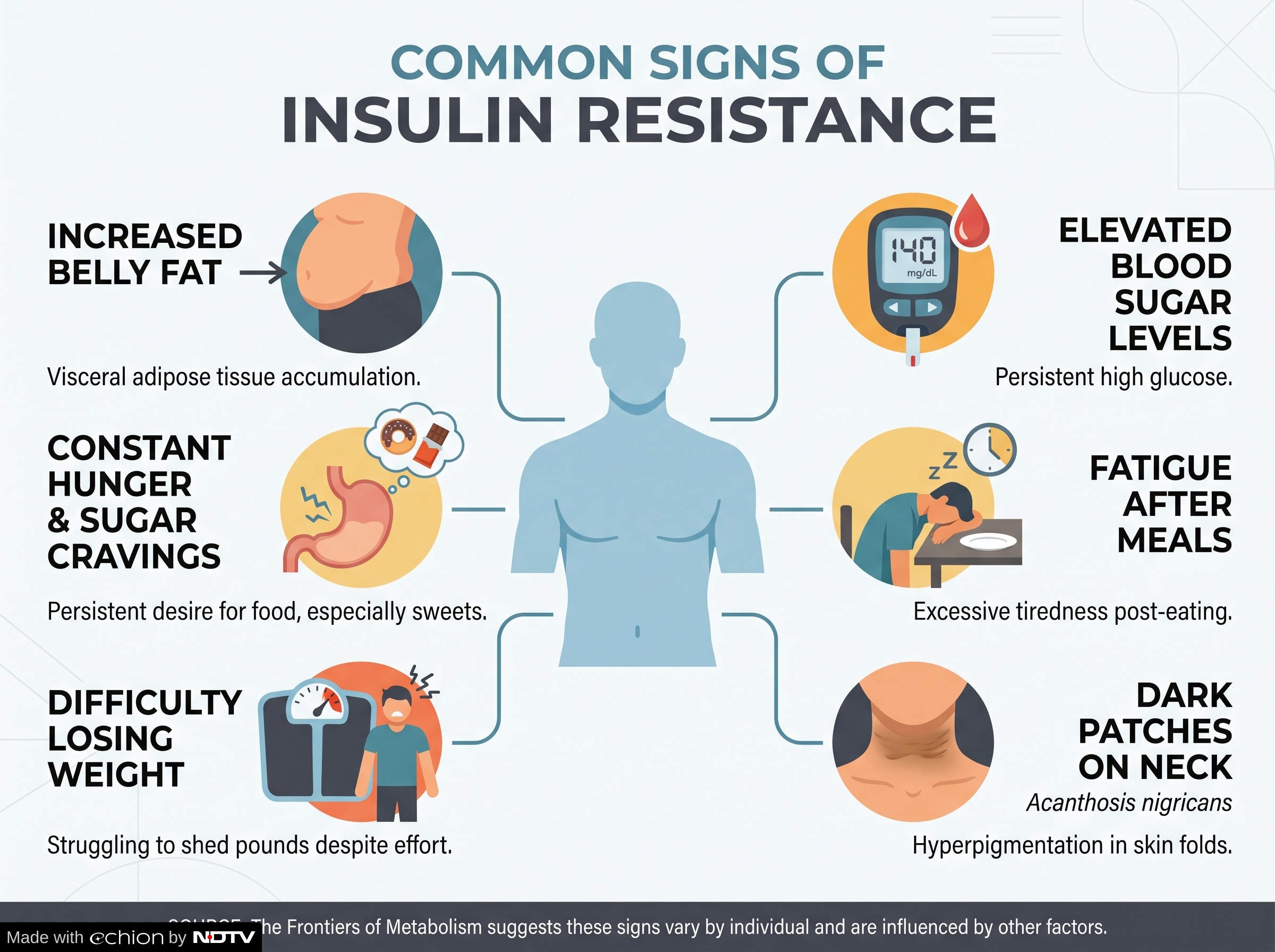
Common Signs Of Insulin Resistance
The Frontiers of Metabolism suggests that there are common signs that people who have insulin resistance can present with. It is important to note that these signs can vary from individual to individual, as other factors could also influence some of these signs and may be interrelated. These signs include:
- Increased belly fat
- Constant hunger
- Fatigue after meals
- Sugar cravings
- Difficulty losing weight
- Dark patches on neck (acanthosis nigricans)
- Elevated blood sugar levels
Doctor Shares 7 Easy Steps To Fix Insulin Resistance
Dr Ankita Tiwari, Consultant, Diabetes and Endocrinology, Manipal Hospital, Bhubaneswar, has shared 7 easy steps to fix insulin resistance that anybody can implement immediately. Each of these steps needs to be consistently followed to show a positive health impact on your blood glucose.
1. Walk For 10-15 Minutes After Every Meal
A simple way to control your blood sugar level for those who have been diagnosed with insulin resistance is to focus on taking a walk after every meal. As soon as you eat, there is a blood sugar spike that needs to be absorbed by the body, and to do so, you need your body to move. The Diabetes Care Journal suggests that taking a 3- to 15-minute walk after each meal can improve overall 24-hour control of blood sugar and reduce the risk of diabetes.
2. Prioritise Protein at Every Meal
An easy step to fix your insulin resistance is to focus on your protein intake in each meal. Be it breakfast, lunch or dinner, about 25% of your meal should contain protein. It helps to stabilise blood sugar levels and increase fullness, and distributing the protein makes it better for absorption.
3. Reduce Added Sugar and Ultra-Processed Foods
The BMJ Journal has pointed out that people need to reduce their intake of added sugar and ultra-processed food, as it is linked to serious lifestyle diseases such as obesity, type 2 diabetes, heart disease and early death.
4. Start Strength Training
Strength training is also known as resistance training, as it builds the muscles to absorb blood glucose in a better manner. If you practise strength training periodically, then your insulin sensitivity can improve, and it can also provide long-term health benefits.
The Annals of Physical Rehabilitation Medical Journal points to the ability of strength training to reduce insulin resistance over a period of time, but the results vary based on other lifestyle factors as well.
5. Sleep For 7-9 Hours Every Night
The Cureus Journal has suggested that sleeping for 7 to 9 hours every night is necessary, as a lack of sleep could worsen insulin resistance. It plays a direct role in controlling hunger hormones such as ghrelin and leptin that influence when you feel hungry and how full you become after a meal.
6. Increase Fibre Intake
The PLOS Medical Journal has documented that increasing the intake of fibre, such as whole grains, vegetables, fruits and legumes, can reduce the load on the body. Consuming a balanced and healthy diet is essential for people who are looking to fix their insulin resistance, as the side effects of ignoring it could turn into chronic lifestyle diseases.
7. Manage Stress Daily
The proactive management of daily stress levels is important, as too much cortisol or stress hormone can cause a negative effect on glucose regulation. In order to regulate your daily stress levels, you need to focus on practising meditation, yoga, and deep breathing to calm your nervous system.
When To See A Doctor
A doctor consultation is necessary if you have pre-existing medical conditions such as:
- Prediabetes
- PMOS
- Obesity
- Family history of diabetes
- Persistent high fasting blood sugar
In order to fix insulin resistance successfully, you need to focus on implementing proven strategies that can control your blood sugar levels.
Also Read: Both Parents Had Diabetes, 51-Year-Old Woman Brings HbA1c Down From 10.4% To 5.3%: Here's How
Disclaimer: This content including advice provides generic information only. It is in no way a substitute for a qualified medical opinion. Always consult a specialist or your own doctor for more information. NDTV does not claim responsibility for this information.