

)
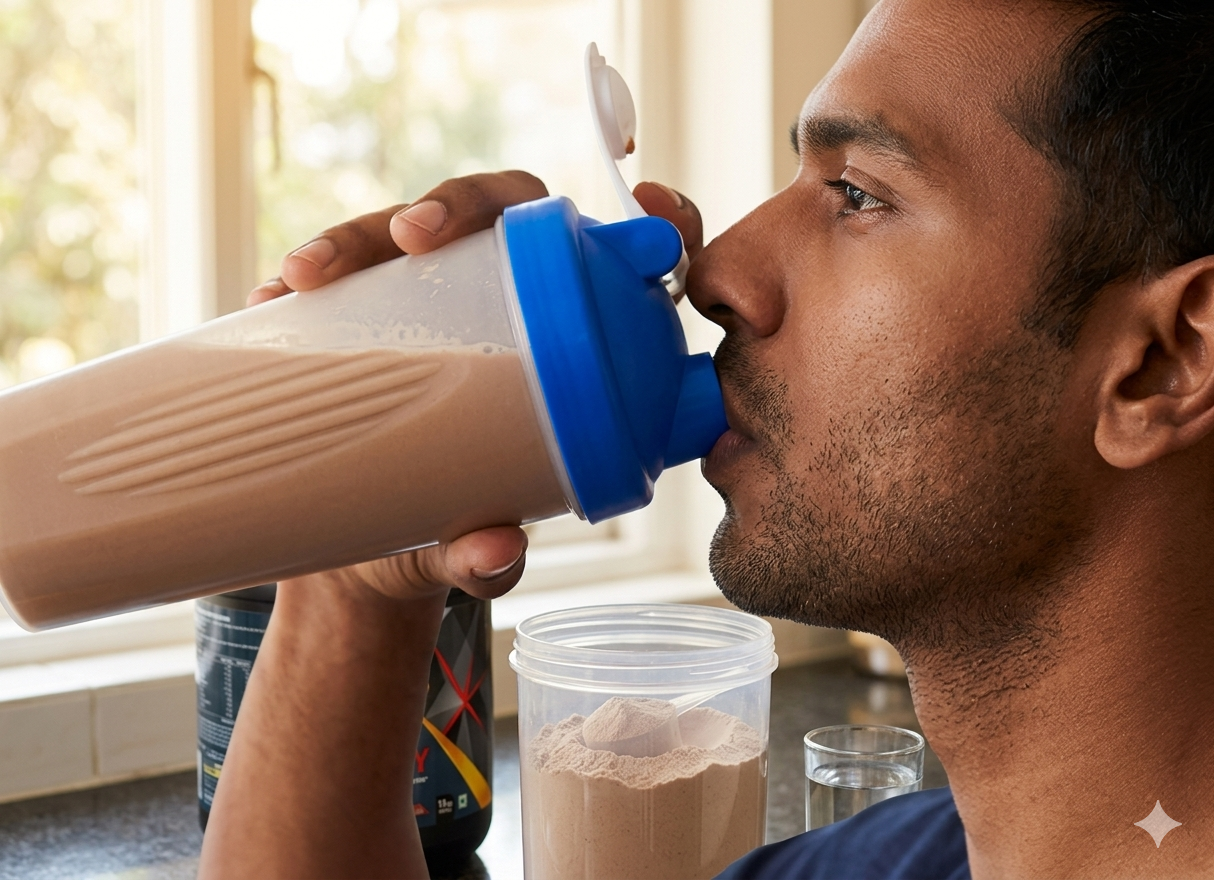
Whey protein has become a staple supplement for gym-goers, athletes, and anyone looking to increase their daily protein intake. However, social media is filled with claims that whey protein can trigger hair loss, leaving many fitness enthusiasts wondering whether their post-workout shake is harming their hair. According to experts, the fear is largely misplaced. While some people may notice increased hair shedding after starting an intense fitness routine, whey protein itself is unlikely to be the culprit. In most cases, the real cause lies elsewhere, such as rapid weight loss, nutritional deficiencies, genetics, or hormonal changes. Dr. Sachin, Consultant, Department of Dermatology, Amrita Hospital, Faridabad, says there is currently no convincing evidence that whey protein directly causes hair loss in healthy individuals.
"There is no strong scientific evidence to suggest that whey protein directly causes hair loss in healthy individuals. Whey protein contains essential amino acids that support muscle repair and overall nutrition. Since hair is primarily made of keratin, which is a protein, adequate protein intake is actually important for healthy hair growth. People often mistake hair shedding caused by rapid weight loss, nutritional deficiencies, hormonal changes, or intense physical stress as being caused by whey protein."
Why Whey Protein Gets Blamed
Many people begin taking whey protein while also making significant lifestyle changes, such as:
- Following strict calorie-restricted diets
- Losing weight rapidly
- Increasing workout intensity
- Building muscle aggressively
These factors themselves can temporarily increase hair shedding, making it easy to blame the protein supplement.
Also read: Can You Lose Weight Quickly? Follow These 9 Tips For Sustainable Results
What Does Research Say?
Scientific evidence does not currently support the claim that whey protein causes hair loss in healthy adults. A 2023 review published in the journal Dermatology Practical and Conceptual concluded that while protein deficiency is a well-established cause of diffuse hair shedding, consuming more protein than the body's daily requirement has not been proven to independently cause hair loss.
Experts therefore advise against assuming that whey protein is responsible whenever hair thinning occurs.
What Actually Causes Hair Loss?
Hair loss is a complex condition with multiple possible causes.
Some of the most common include:
1. Protein Deficiency
Ironically, too little protein is far more likely to cause hair shedding than adequate protein intake. Hair follicles require protein to produce strong, healthy strands.
2. Rapid Weight Loss
Crash dieting or losing weight quickly can push hair follicles into a temporary shedding phase known as telogen effluvium.
3. Nutritional Deficiencies
Low levels of:
- Iron
- Vitamin D
- Vitamin B12
- Zinc
can all contribute to excessive hair fall.
4. Hormonal Changes
Conditions such as thyroid disorders or hormonal imbalances can significantly affect hair growth.
5. Genetic Hair Loss
Male and female pattern baldness remains the most common cause of progressive hair thinning.
Choosing The Right Whey Protein
While whey protein itself is generally considered safe, experts advise choosing products carefully. Dr. Sachin recommends selecting:
- Third-party tested supplements
- Reputed brands
- Products with transparent ingredient labels
He also advises avoiding supplements that contain:
- Undisclosed anabolic substances
- Excessive additives
- Unverified performance-enhancing ingredients
These ingredients may pose health risks unrelated to whey protein itself.
When Should You See A Dermatologist?
Occasional shedding is normal, but persistent hair loss deserves medical evaluation. Seek professional advice if you notice:
- Hair loss lasting longer than six to eight weeks
- Rapid thinning
- Bald patches
- Itchy or inflamed scalp
- Thinning over the crown
Hair fall accompanied by other symptoms such as fatigue or weight changes. "If hair loss does not improve after six to eight weeks, or if you notice bald spots, persistent scalp itching, or thinning over the crown, consult a dermatologist. Identifying the underlying cause early allows appropriate treatment before significant hair loss occurs," says Dr. Sachin.
Also read: Decoding Health Consequences Of Extreme Dieting
Tips To Support Healthy Hair
Experts recommend focusing on overall nutrition and lifestyle rather than avoiding whey protein unnecessarily. Some healthy habits include:
- Eating enough protein every day
- Maintaining a balanced diet rich in iron and vitamins
- Avoiding crash diets
- Managing stress
- Getting adequate sleep
- Treating underlying medical conditions promptly
Current scientific evidence does not support the belief that whey protein directly causes hair loss in healthy individuals. More often than not, hair thinning results from nutritional deficiencies, rapid weight loss, hormonal issues, genetics, or other medical conditions rather than the protein supplement itself.
If hair loss persists despite maintaining a healthy diet and lifestyle, consult a dermatologist for a proper evaluation instead of discontinuing whey protein based on social media claims alone.
Disclaimer: This content including advice provides generic information only. It is in no way a substitute for a qualified medical opinion. Always consult a specialist or your own doctor for more information. NDTV does not claim responsibility for this information.