)
Grief is defined as coping with the loss of a loved one, friend, pet, home, community, dream, job, or anything that was ever dear to you. According to a Cleveland Clinic report, a person can even grieve the loss of financial stability, youth, fertility, and good health. It takes time and patience for one to overcome the loss.
According to the Kubler-Ross model, a person grieves in five stages - denial, anger, bargaining, depression, and acceptance. It can take weeks, months, and even years for a person to accept the loss and move on. But what about doctors? They hardly have any time to process the death of their patients and have to move on to treat another patient because of the Hippocratic Oath (and rightly so).
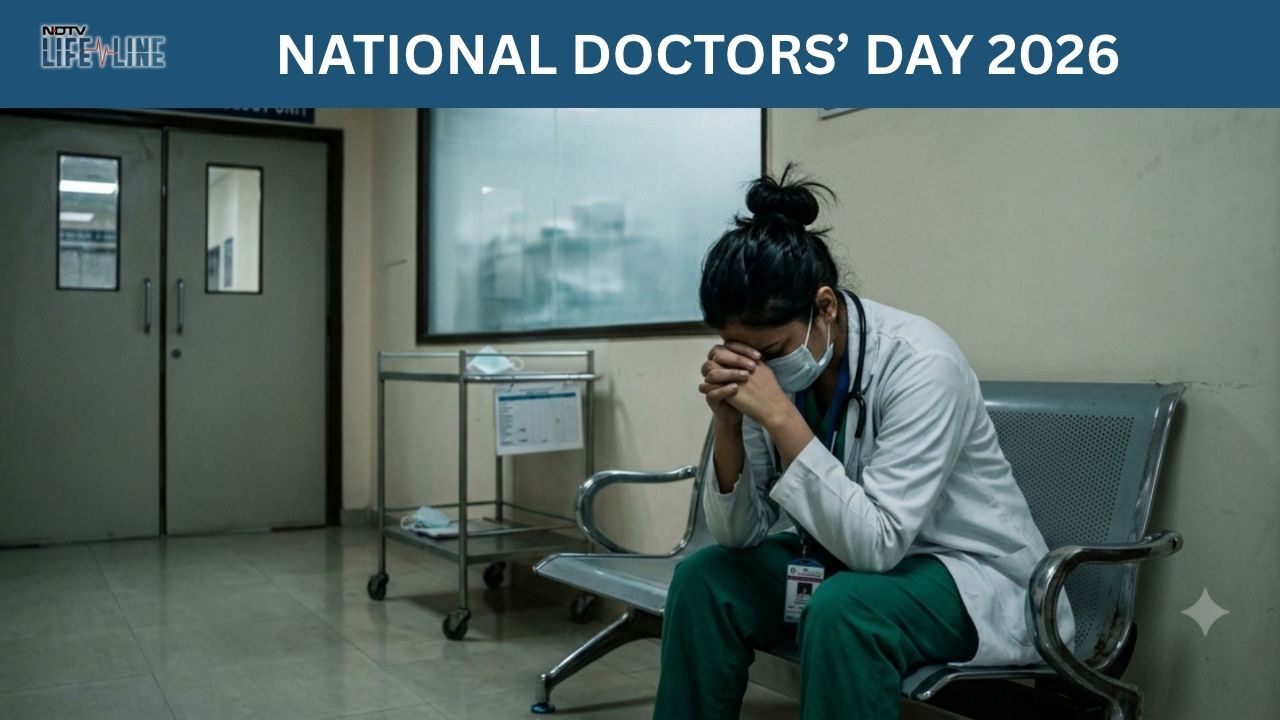
Doctors have to deal with losses more frequently than most people on this planet. Surgeons are often racing against time as they have to beat death and keep their patients alive. This Doctor's Day, NDTV brings you stories of professionals getting candid about how they grieve for their patients.
Do Doctors Grieve Their Patients
Doctors are humans, and losing a patient or watching a life slip away from their hands can be emotionally devastating. Dr Harit Chaturvedi, CEO & Clinical Head, Apollo Oncology Network, said, "The loss of a patient is not a mechanical event; it is often a personal loss as well."
Dr Lipi Sharma, Consultant, Obs & Gynaecology - ShardaCare Healthcity, told NDTV, "We often look after women and families through some of the most emotional moments of their lives in obstetrics and gynaecology."
Surgeons don't just treat patients, they interact with them and their families. It is only natural for them to care about the person they are treating, and therefore, the loss hits hard.
What Doctors Feel When They Lose A Patient
We hold many things dear to our hearts, but not every loss hits with the same intensity. The same goes for a doctor. Dr Sharma shared, "All loss is hard, but there are some losses that stay with us forever, like losing a young mother, a pregnancy we got very close to, or a patient we had a long-standing relationship with. These moments remind us of the privilege and the emotional responsibility of our profession."
Much like any of us, these losses often consume doctors and leave them overwhelmed with emotions. Dr Jothi Neeraja, Founder, Chairwoman & MD, Maarga Mind Care, told NDTV, "Encountering death and bereavement is an inherent part of healthcare work, and while it is understood as 'part of the job', it can still have a deep emotional impact on professionals. Continuous exposure to suffering and loss can lead to emotional exhaustion, compassion fatigue, or burnout over time."
Dr Chaturvedi shared that as an oncologist, he spends months and even years with his patients and their families, sharing their hopes, struggles, and milestones. "When such a strong connection is formed, the grief associated with their loss tends to stay with us much longer than others," he said, adding, "The loss of a patient can bring a mix of emotions, including sadness, guilt, helplessness, and self-reflection. As doctors, we often revisit different stages of a patient's treatment and wonder if anything could have been done differently, even when the outcome was beyond our control."
Having said that, people should note that reflection is not a sign of uncertainty; it is a sign of responsibility and a commitment to continuous learning. Every patient teaches a doctor something new, and this reflection often helps healthcare professionals improve patient outcomes in the future.
Do Doctors Have Time To Process Grief
On some days, a doctor might get a few minutes to themselves to process their grief, but many times, they hardly have any time to eat throughout the day, let alone sit with their emotions.
Dr Sharma told NDTV, "In most busy hospitals, there is very little time to pause. Doctors often have to move on to the next patient almost immediately after speaking with the family and finishing the paperwork. Usually, the emotional processing happens much later."
Dr Harish Verma, Director-Pulmonary Medicine and Critical Care, ShardaCare Healthcity, added, "After informing the family and completing clinical responsibilities, we usually move on to the next patient who also needs urgent care."
Most doctors process grief later. Dr Vinit Suri, Senior Consultant- Neurology, Indraprastha Apollo Hospital, Delhi, shared that professionals reflect on their experiences during discussions with colleagues, team debriefs, or in quiet moments after the day's clinical responsibilities have ended. "Every patient leaves behind a story that is remembered," he added.
Does Suppression Of Grief Add to Burnout
Most doctors work around the clock. They hardly have time to sleep for 8 hours, eat meals on time, or even go home and spend time with their families. Amid this, not being able to process the loss of patients can lead to burnout.
Dr Neeraja shared, "Suppressing grief may result in a higher risk of emotional exhaustion and burnout, as unprocessed feelings continue to occupy people's psychological space. Denial and failure to address the experience of suffering may cause higher stress levels, emotional numbness, lack of focus, and difficulty coping with everyday activities."
She explained that dealing with grief is one of the most important parts of the emotional recovery process.
Dr Suri told NDTV, "Remaining calm and focused during difficult situations is an essential part of medical practice, but emotional responses still need a healthy outlet. When grief is repeatedly pushed aside without acknowledgement, it can gradually lead to emotional exhaustion, reduced empathy, and increased stress."
He added that recognising these emotions and creating space to process them supports both physician well-being and their ability to continue delivering thoughtful, patient-centred care.
While doctors are trained to save lives and remain composed in moments of crisis, they are not immune to grief. Losing a patient is more than an unfavourable outcome; it often brings a whirlwind of emotions, self-reflection, and unanswered questions. Yet, in a profession that rarely pauses, many doctors have little time to process that loss before they must rush to care for the next patient.
Disclaimer: This content including advice provides generic information only. It is in no way a substitute for a qualified medical opinion. Always consult a specialist or your own doctor for more information. NDTV does not claim responsibility for this information.