

)
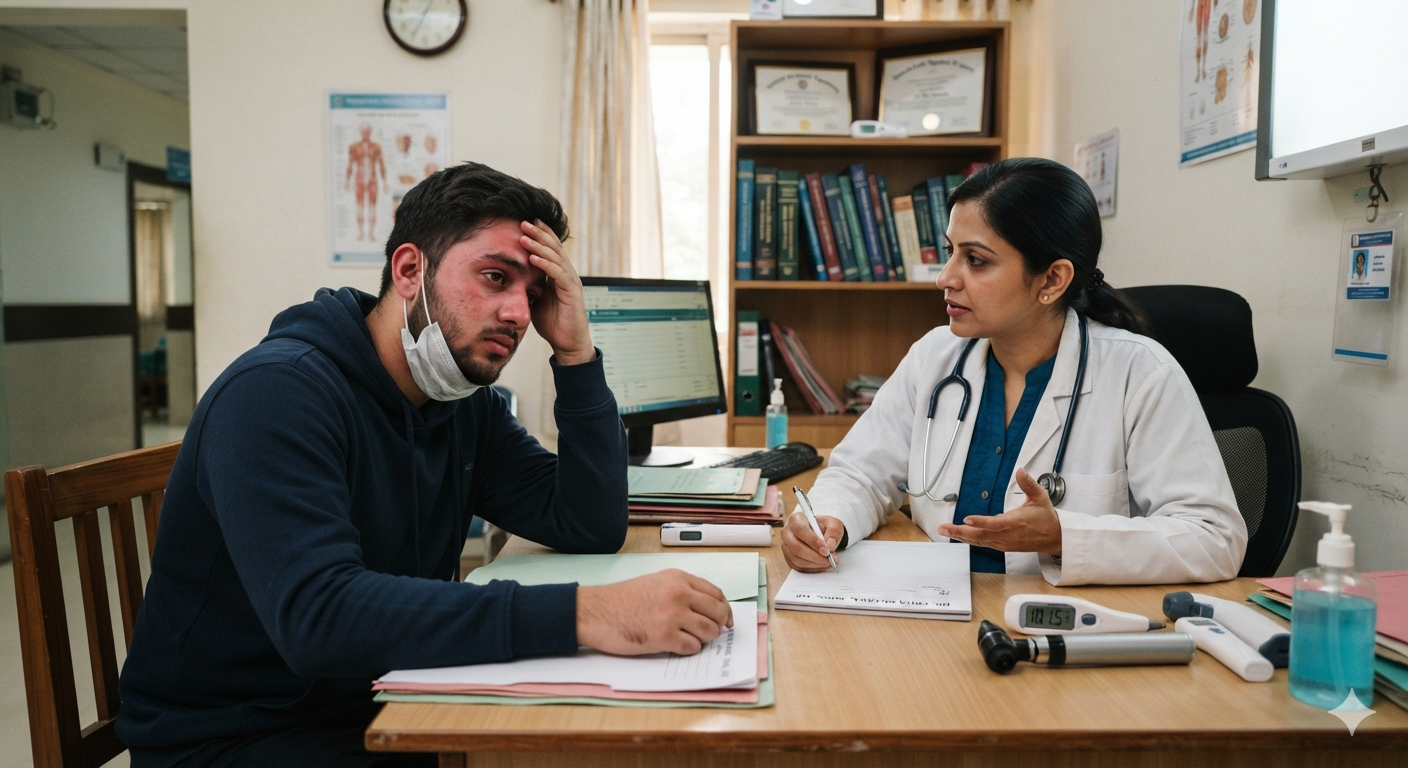
The monsoon has provided much-needed relief from the heat. However, it has also brought a sharp increase in viral illnesses. "We have seen a noticeable rise in cases of viral fever across India, particularly in Delhi-NCR and other urban centres, with doctors reporting increased influenza-like illnesses and respiratory infections in recent weeks," informs Dr. Meenakshi Jain, Principal Director and HOD, Internal Medicine at Max Super Speciality Hospital, Patparganj.
Rise in flu-like illnesses, including H3N2 influenza
"Hospitals in Delhi have observed a surge in flu-like illnesses over the past few weeks, with many patients testing positive for influenza, including H3N2, alongside other respiratory viruses. While confirmed H3N2 cases remain moderate, there's also a significant increase in other viruses causing lower respiratory tract infections affecting all age groups. The pattern shows sharp fever spikes, persistent cough, and in some cases, relapses after initial improvement," Dr. Jain told NDTV Lifeline.
Common symptoms reported by patients
Patients are commonly experiencing the following symptoms:
- High-grade fever around 100.4-104 degree Fahrenheit with chills and sweating
- Cough which may be persistent
- Sore throat
- Body aches
- Muscle pain
- Headaches
- Fatigue and weakness
- Nasal congestion
- Chest congestion and breathing discomfort
"In some cases, patients are also reporting gastrointestinal symptoms such as vomiting, diarrhea, and loss of appetite," adds Dr. Jain.
Also read: 6 Signs And Symptoms Of Viral Infections
What is the typical recovery period?
Dr. Jain has informed that most uncomplicated viral fevers resolve within 5-7 days, with fever typically subsiding by day 3-5. However, cough and fatigue may linger for 1-2 weeks beyond fever resolution. Some patients experience prolonged symptoms, particularly if secondary bacterial infections develop.
Standard treatment
Treatment is primarily supportive:
- Paracetamol for fever and pain
- Adequate hydration with oral rehydration solutions, soups, and fluids
- Rest and sleep to support immune recovery
- Steam inhalation and warm salt-water gargles for respiratory symptoms
"Patients should avoid self-medication with antibiotics and eat light, easily digestible foods. Antibiotics should only be used if bacterial complications are confirmed," Dr. Jain recommends.
Red flags that require further testing
According to Dr. Jain, you must seek immediate medical attention if you notice:
- Fever lasting more than 3-5 days without improvement
- Breathlessness, chest pain, or oxygen saturation drop
- Severe abdominal pain, persistent vomiting, or bleeding gums
- Black or bloody stools, restlessness, or extreme lethargy
- Non-blanching rash or bleeding tendencies
- Symptoms worsening after initial recovery, which may indicate possible secondary infection
"These warning signs may indicate dengue, severe influenza, or other serious infections requiring urgent evaluation and specific testing," she adds.
Why are viral illnesses on the rise during these months?
Illnesses like influenza, H3N2, and general viral fevers surge during monsoon primarily because high atmospheric humidity and a drop in temperatures stabilise viral particles, allowing them to survive significantly longer in the air and on surfaces.
The sharp spike in respiratory and viral infections between June and September is driven by several interconnected environmental and behavioural factors.
- The combination of high humidity and lower ambient temperatures creates an ideal environment for respiratory pathogens like the influenza virus.
- Heavy rains force people to spend more time indoors. When people gather in enclosed, poorly ventilated spaces, viruses spread rapidly from person to person via respiratory droplets from coughing or sneezing. Rapid shifts between sudden downpours and humid heat stress the body's natural defences, making individuals more susceptible to catching infections.
- Damp indoor conditions allow viruses deposited on high-touch surfaces like door handles, railings, and desks to remain alive and transmissible for extended periods.
- Monsoon also facilitates the breeding of mosquitoes in stagnant water, triggering outbreaks of Dengue, Chikungunya, and Malaria. The overlap of these vector-borne viruses alongside respiratory viruses places an extra burden on public health.
Also read: Could The Air Around Us Be Making Us Sicker? Rise Of Dangerous Invasive Fungal Infections Explained
To stay safe this season, take flu shots, practice hand hygiene, avoid touching your face with unwashed hands, maintain distance from anyone exhibiting symptoms and eat fresh, home-cooked food.
Disclaimer: This content including advice provides generic information only. It is in no way a substitute for a qualified medical opinion. Always consult a specialist or your own doctor for more information. NDTV does not claim responsibility for this information.