

)
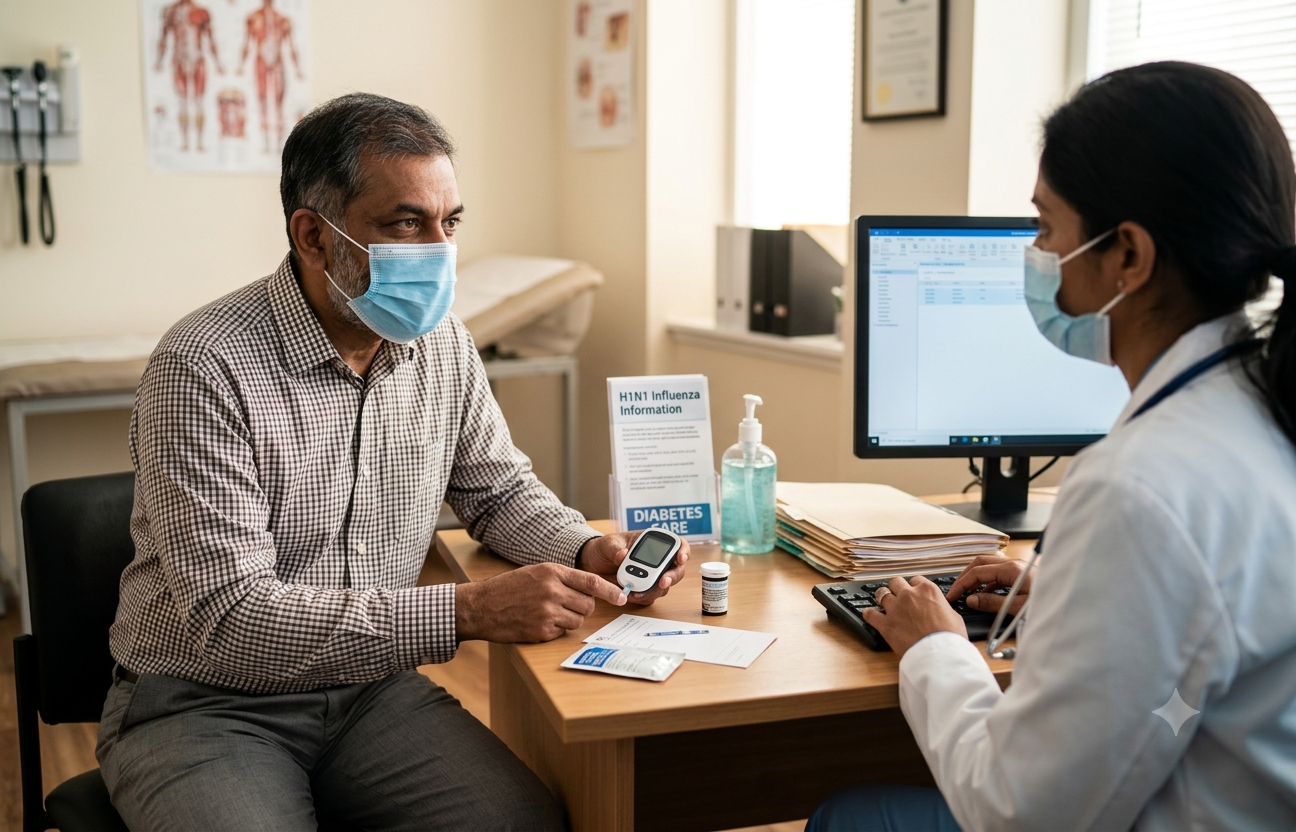
The surge in H1N1 cases has made people who are immunocompromised concerned about their risk of health complications. Among the most high-risk groups, diabetics are especially concerned about the possibility of developing health complications that may make their recovery complicated. According to the American Diabetes Association, those with diabetes face a three times higher risk of possible hospitalisation after H1N1 infection. This is further complicated by the age of the patient and the timing of seeking medical treatment after contracting H1N1.
Even in those who are hospitalised for H1N1, diabetes is associated with four times higher admissions to the intensive care unit (ICU), which means that those who are diabetic need to be extra careful of their possibility of developing H1N1. They can do so by practising preventive strategies that can minimise their risk, and if they happen to get H1N1, then seeking timely medical treatment is necessary.
Why Diabetes Makes H1N1 More Dangerous
The Diabetes Care Journal has documented that diabetes can weaken the immune system and increase risk for severe viral infections. The Therapeutic Advances in Infectious Disease Journal suggests that diabetics need to be aware of their increased risk of suffering from inflammatory responses due to an H1N1 infection. The risk of hospitalisation and being admitted to the ICU is far greater, meaning that diabetics need to seek timely medical help if they contract H1N1.
What Happens When A Diabetic Person Gets H1N1?
When a diabetic gets H1N1, their body takes longer to recognise and work on fighting viral replication. The typical symptoms of H1N1 could occur faster and with much more severity than in people who are not diabetic. It may cause issues with blood sugar levels, as the body is inflamed during an H1N1 infection. Alongside this issue, dealing with fever, poor appetite, dehydration, and reduced food intake can make diabetes management much more difficult.
Symptoms To Watch Out For
- High fever
- Persistent cough
- Breathlessness
- Extreme fatigue
- Elevated blood sugar levels
Why The First 48 Hours Are Critical
After an H1N1 viral infection has taken hold of a host, the first 48 hours are critical as the virus is currently multiplying. The medication, depending on the patient's suitability, is necessary based on a doctor's prescription and to slow down the disease progression. The duration of the illness can be shortened by the timely use of antivirals, and the risk of pneumonia and hospitalisation is reduced by timely medical treatment.
Antiviral medication such as oseltamivir could prove useful, but only a doctor could prescribe it and suggest the dose to take as well as the timing for those who are diabetic.
Serious H1N1 Complications That Diabetics Should Know About
Diabetics need to be especially careful of their possibility of developing H1N1 complications due to severity. These complications could be as follows:
- Pneumonia, such as viral pneumonia and secondary bacterial pneumonia, can occur.
- Dangerous blood sugar fluctuations, such as hyperglycaemia and diabetic ketoacidosis, can result in serious health complications.
- Hospitalisation and intensive care risk are double for those who are diabetic and those who contract H1N1.
- Acute Respiratory Distress Syndrome (ARDS) needs immediate medical treatment.
Warning Signs That Need Immediate Medical Attention
Certain signs serve as a warning that immediate medical attention is needed; these signs can be the following:
- Difficulty breathing
- Chest pain
- Oxygen levels dropping
- Persistent high fever
- Confusion
- Severe dehydration
- Inability to control blood sugar
How Antiviral Medicines Help
Antiviral medication should be prescribed by a doctor if a diabetic has an H1N1 infection, as it can stop viral replication. This is especially necessary within 48 hours of the infection for those who have pre-existing medical conditions, but a seasonal flu vaccine can reduce the risk of health complications. But once the H1N1 virus can take hold of the patient, then medication and timely management of symptoms are necessary to make recovery comfortable.
Steps Diabetic Patients Should Follow During H1N1 Infection
Diabetics need to follow these practical tips, but seeking medical treatment is necessary to ensure your risk of hospitalisation is minimised:
1. Monitor blood sugar more frequently.
2. Stay hydrated.
3. Continue diabetes medicines unless advised otherwise.
4. Consume easy-to-digest foods.
5. Rest adequately.
6. Seek medical advice early.
Diabetes management during the flu is necessary to shorten the duration of the illness and make H1N1 recovery faster.
Can The Flu Vaccine Lower The Risk?
Yes, the seasonal flu vaccine can lower the risk of the health complications that can occur due to H1N1. This is only true when the strain of H1N1 that is in circulation is the same as the flu vaccine, as your immune system is familiar and can work on fighting the infection due to inbuilt immunity.
A seasonal flu vaccination can reduce the risk of severe outcomes among high-risk individuals.
Research published in the Frontiers of Microbiology suggests that diabetics can face a heightened risk of health complications after H1N1, and it is best to seek timely medical help within 48 hours of infection. Prompt medical help can reduce the chances of issues with blood sugar, and vaccination is necessary to reduce the risk of hospitalisations and to control the severity of the infection.
Also Read: Why Some People Get Mild H1N1 While Others Land In ICU
Disclaimer: This content including advice provides generic information only. It is in no way a substitute for a qualified medical opinion. Always consult a specialist or your own doctor for more information. NDTV does not claim responsibility for this information.