

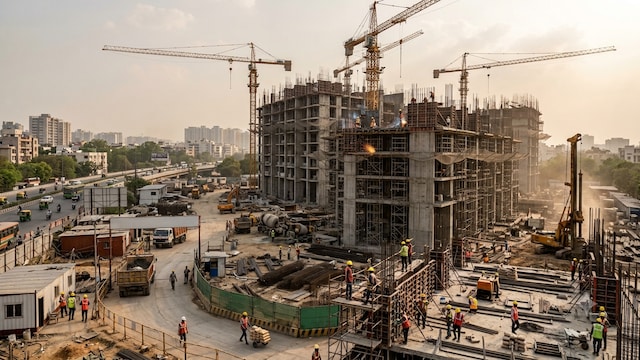
Delhi's construction restrictions during periods of severe air pollution aim to reduce dust emissions, one of several contributors to the capital's deteriorating air quality. While halting or restricting construction activity cannot eliminate pollution, reducing dust from demolition, excavation, roadwork and the transportation of building materials may help lower exposure to harmful airborne particles. For residents, particularly children, older adults and people with asthma or other respiratory conditions, even a reduction in pollution exposure can be important. But how much protection can a construction ban actually offer, and what more needs to be done to safeguard respiratory health? According to Dr Harish Verma, Director, Pulmonology, ShardaCare - Healthcity, reducing construction-related dust can meaningfully lower short-term exposure to particulate matter, particularly for people living, working or travelling near active construction sites. However, the overall health benefit depends on how effectively the restrictions are implemented and whether other sources of air pollution are controlled simultaneously.
How Does Construction Dust Affect Respiratory Health?
"Construction sites can release large amounts of coarse and fine dust into the surrounding environment. Activities such as drilling, cutting concrete, breaking structures, excavation and loading or unloading materials can generate particulate matter. Heavy vehicles moving in and out of construction sites can also resuspend dust from roads. Among these pollutants, fine particulate matter such as PM2.5 is particularly concerning because its tiny size allows it to penetrate deep into the lungs. Larger particles may be trapped in the nose or upper airways, but finer particles can reach the smaller airways and alveoli, triggering inflammation and irritation," says Dr Verma.
"Reducing dust at construction sites can therefore help limit one source of these harmful exposures. However, the extent of the benefit depends on how much dust is prevented from entering the air and the contribution of construction activity to pollution in a particular neighbourhood," Dr Verma adds.
Can Delhi's Construction Ban Reduce Pollution-Related Symptoms?
Restricting construction during severe pollution episodes can help reduce dust emissions, especially around demolition sites, excavation zones and major construction projects. For people living or working nearby, lower dust levels may mean less irritation of the nose, throat and airways. People with asthma, chronic obstructive pulmonary disease (COPD) and allergic airway conditions may be particularly vulnerable to changes in air quality. Exposure to particulate pollution can worsen airway inflammation and trigger coughing, wheezing or breathing difficulties.
Children also need special consideration because their lungs are still developing and they breathe more air relative to their body weight than adults. Older adults and people with pre-existing heart or lung diseases may similarly be more susceptible to the effects of air pollution.
However, a construction ban does not automatically translate into a measurable improvement in Delhi's overall air quality. The actual reduction in pollution depends on the amount of construction activity halted, the dust-control measures already in place, weather conditions and emissions from other sources. The key distinction is that reducing construction dust can lower exposure to one pollutant source, but it cannot eliminate the respiratory risks associated with severe air pollution.
Why Does Construction Dust Remain A Problem Even After Work Stops?
Stopping construction activity is only one part of controlling dust. Exposed soil, uncovered construction materials, debris piles and dust deposited on nearby roads can continue contributing to particulate pollution even when work has been suspended. Dry and windy conditions can lift settled dust back into the air, while vehicles passing over dusty roads can resuspend particles and spread them into surrounding neighbourhoods. This means that pollution exposure may continue even after restrictions come into force.
Effective dust management therefore requires measures beyond simply halting construction. These include covering loose construction materials, transporting sand and debris in covered vehicles, using appropriate dust-suppression systems, installing site barricades and cleaning nearby roads using methods that minimise dust resuspension. Water sprinkling can help control dust under suitable conditions, but it should be part of a broader management strategy rather than the only intervention. Construction sites permitted to operate under exemptions should also comply with applicable dust-control requirements. Consistent monitoring and enforcement are essential to ensure that restrictions translate into actual reductions in airborne particles.
Is Construction Dust The Only Reason Delhi's Air Quality Remains Poor?
According to Dr Verma, construction activity is only one contributor to Delhi-NCR's air pollution. Vehicular emissions, road dust, industrial emissions, waste burning, household fuel use and pollution transported from other regions can also affect air quality. The relative contribution of these sources varies with the season, weather conditions and location. During winter, unfavourable atmospheric conditions can trap pollutants close to the ground, allowing particulate matter to accumulate. As a result, even when construction activity is restricted, emissions from vehicles, industries and other sources may continue to keep pollution levels high.
This is why construction restrictions need to form part of a wider clean-air strategy that includes reducing vehicle emissions, controlling road dust, improving public transport, preventing open waste burning and strengthening industrial pollution controls.
How Can You Protect Your Lungs During Severe Air Pollution?
Although city-wide measures are essential, individuals can take steps to reduce their exposure during periods of poor air quality.
- Monitor air quality: Check the local Air Quality Index (AQI) and adjust outdoor activities according to pollution levels. When air quality is very poor, avoid prolonged or strenuous outdoor exercise, particularly near busy roads and construction zones.
- Wear an appropriate mask: A well-fitted N95 or equivalent particulate-filtering respirator can reduce exposure to airborne particles when worn correctly. Loose-fitting cloth masks and ordinary surgical masks do not provide the same level of protection against fine particulate pollution.
- Keep respiratory medication accessible: People with asthma, COPD or other chronic respiratory conditions should follow their prescribed treatment plans and keep their recommended rescue medication available. They should seek medical advice if symptoms become more frequent or severe.
- Improve indoor air quality: Keeping windows closed during periods of particularly high outdoor pollution may help limit the entry of particles. Air purifiers equipped with effective particle filtration can also help reduce indoor particulate matter, particularly in frequently occupied rooms. Ventilation should be managed according to outdoor air quality and indoor conditions.
- Recognise warning signs: Persistent coughing, wheezing, chest tightness or unusual breathlessness should not be ignored, particularly in people with existing lung disease. Severe breathing difficulty, blue or grey lips, confusion or other signs of a medical emergency require immediate medical attention.
These precautions can help reduce exposure, but they cannot fully eliminate the health risks associated with prolonged or severe air pollution.
Can Temporary Dust Reduction Prevent Long-Term Lung Damage?
The health benefits of reducing pollution depend on the magnitude and duration of the reduction. Lower exposure may help reduce immediate respiratory irritation and the likelihood of pollution-related symptom flare-ups in susceptible individuals. However, a temporary construction ban cannot by itself guarantee protection against long-term lung damage. Sustained exposure to particulate matter has been associated with reduced lung function, chronic respiratory disease and increased cardiovascular risks.
Long-term protection requires consistent reductions in pollution from multiple sources, supported by effective enforcement and monitoring. A short-term fall in construction dust may be beneficial, but its impact on respiratory health will depend on whether overall exposure also decreases.
Delhi's construction restrictions can help reduce one source of airborne particulate pollution, particularly for people living or working close to construction sites. However, the extent of respiratory protection depends on effective implementation, dust suppression and simultaneous reductions in other emissions. For individuals, reducing exposure during severe pollution episodes remains important, especially for children, older adults and people with existing respiratory conditions. At the city level, lasting improvements in lung health will require sustained action against construction dust, road dust, vehicle emissions, industrial pollution and other major sources of particulate matter.
Disclaimer: This content including advice provides generic information only. It is in no way a substitute for a qualified medical opinion. Always consult a specialist or your own doctor for more information. NDTV does not claim responsibility for this information.