

)
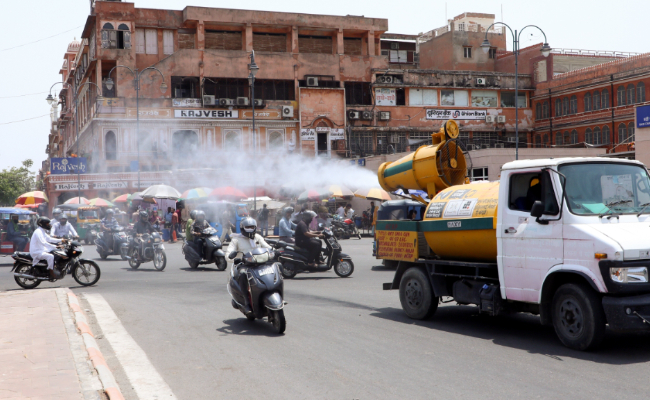
As Noida and Ghaziabad residents woke up to NDMA alerts on their phones on May 20, 2026, warning of "loo se bhi bheeshan loo" (winds more horrific than the loo), the message was clear: this isn't just another hot day. It's a full-blown assault on the body and mind. With the India Meteorological Department (IMD) maintaining an orange alert for extreme heat and loo winds in Delhi-NCR, temperatures that have already crossed 44.5 degree C are forecast to approach 46 degree C in the coming days. Northwest dry winds gusting up to 20 kmph in the afternoons are turning the air into a moving furnace.
This combination is making office hours feel torturously long- and science backs up exactly why.
The Physiology Of A Dragging Clock
Your body doesn't quietly endure this heat; it fights it. In extreme temperatures and low-humidity loo conditions, thermoregulation kicks into overdrive: heart rate rises, blood vessels dilate, and massive energy goes into sweating to cool the core. The dry winds accelerate evaporation but also dehydration, pulling moisture from your body faster than you can replace it. Even mild fluid loss impairs concentration, raises perceived effort, and triggers fatigue.
Add poor sleep from sweltering nights (minimums staying stubbornly above 25-27 degree C) and the result is a workforce starting the day already compromised. Studies on occupational heat stress show that above 24-26 degree C, productivity begins to drop noticeably. At the levels Delhi-NCR is experiencing, cognitive functions like focus, memory, and decision-making suffer, while physical and mental effort for the same tasks skyrockets.
Psychologically, discomfort creates "time dilation." When your brain constantly registers sticky clothes, burning skin, headaches, or that foggy exhaustion, it processes more negative micro-moments. An hour doesn't just feel longer - subjectively, it expands. Unengaging or mentally demanding work under these conditions amplifies the boredom-frustration loop, making the clock crawl even slower.
Global research echoes this: heat stress can slash work capacity by up to 50% at around 33-34 degree C for moderate effort, with office workers also affected through mental fatigue. In India's manufacturing and construction sectors (highly relevant for the NCR region), productivity losses are well-documented on hot days.
Also Read: Summer Heat Making You Sleepy? Doctors Explain Why It Happens, How To Cope
A Wider Crisis In A Warming Pattern
This spell fits a worrying 2026 pattern. Parts of India have already seen record-breaking heat, with multiple cities dominating global "hottest places" lists earlier in the season. Urban heat island effects in concrete-heavy Noida, Ghaziabad, and Delhi trap warmth, making nights almost as punishing as days. Shrinking green cover and rapid urbanization worsen the impact on daily commuters and outdoor workers.
The NDMA's stark phrasing - "loo se bhi bheeshan loo" - underscores the severity for districts including Gautam Buddh Nagar, Ghaziabad, Mathura, and others.
These superheated, dry gusts don't just raise temperatures; they heighten risks of heat exhaustion, dehydration, and long-term health strain, especially for vulnerable groups.
Also Read: Heatwaves Are Ruining Sleep Even In Air Conditioned Rooms: Doctors Explain Why
How To Survive (And Maybe Shorten) The Workday Drag
While relief from the southwest monsoon is still weeks away for many, small steps help:
- Hydrate proactively - Water with electrolytes or ORS. The dry loo winds dehydrate you before thirst hits.
- Front-load tasks - Tackle demanding work in the relatively cooler morning.
- Micro-cooling breaks - Use fans, damp towels on neck/wrists, or step into AC/shade for 2-3 minutes.
- Protect your commute - Light clothing, umbrella, and avoiding peak afternoon exposure.
- Watch warning signs - Dizziness, nausea, or extreme fatigue mean immediate action (and possibly medical help).
Employers in the NCR are being urged to adjust schedules where possible, ensure better ventilation, and recognize heat as a genuine productivity killer.
Disclaimer: This content, including advice, provides generic information only. It is in no way a substitute for a qualified medical opinion. Always consult a specialist or your own doctor for more information. NDTV does not claim responsibility for this information.