

)
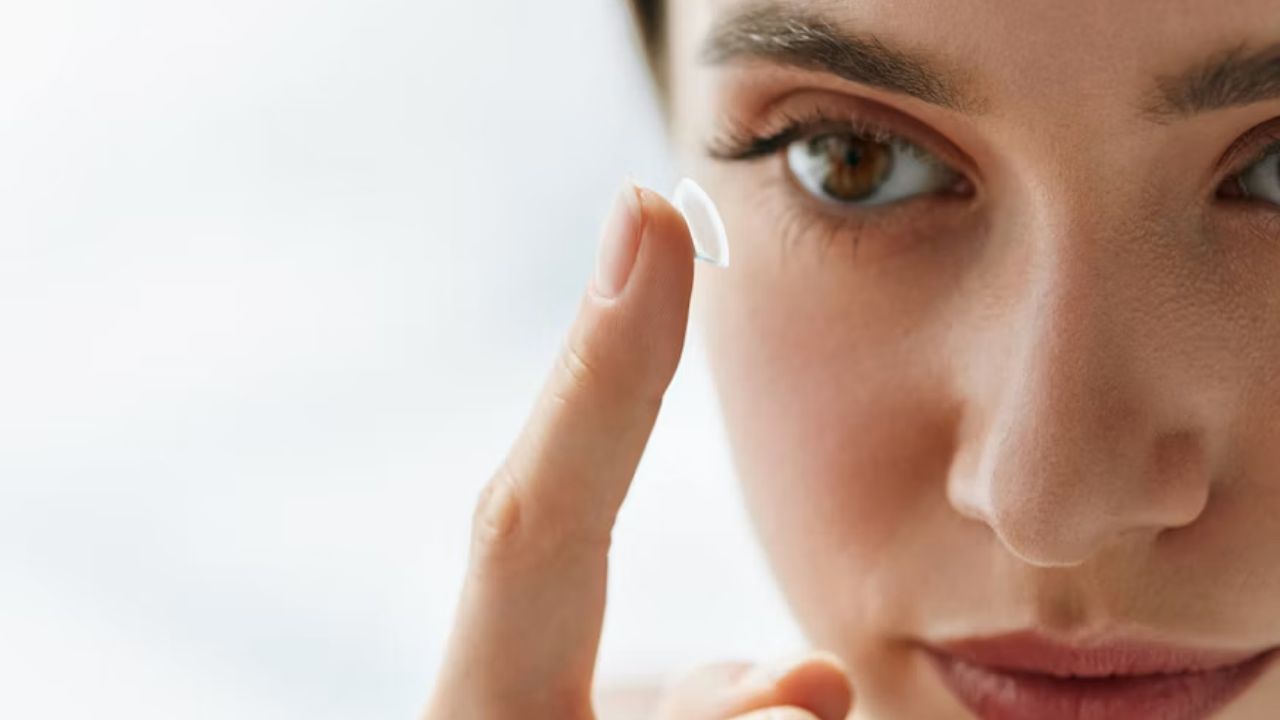
Contact lenses can be a convenient alternative to spectacles. However, if you're having red or irritated eyes after wearing them can be a problem and should not always be brushed away. One might have a little dryness or mild irritation sometimes, especially after prolonged screen time or wearing lenses for too long. However, redness can also indicate inflammation, an allergic reaction, an injury to the cornea or an eye infection.
Wearing contact lens also increases the risk of keratitis, which is an inflammation of the cornea, especially when it is worn for too long or are not cleaned and stored properly. If the redness is accompanied by pain, excessive watering, discharge, sensitivity to light or blurred vision, it is important that you take them seriously. These symptoms can occur with microbial keratitis, which can become serious and, in severe cases, lead to vision loss. Wearing lenses overnight, exposing them to water, failing to disinfect them properly, using an unclean case or wearing lenses beyond the recommended period can increase the risk of complications.
Why Do Contact Lenses Cause Red Eyes?
There are several possible reasons for red eyes after wearing contact lenses. One common cause is dryness and irritation. A lens sits directly on the surface of the eye and can contribute to dryness, particularly when worn for long periods. Smoke, dust, air conditioning and prolonged screen use may make irritation worse.
Redness can also occur if the lens does not fit properly, is damaged or has deposits on its surface. Poorly fitting lenses can irritate the eye and may cause scratches on the cornea. Decorative or coloured lenses can also cause problems when they are not properly fitted.
Another possibility is conjunctivitis, which is commonly known as pink eye. Contact lens use itself can act as an irritant, while viral or bacterial infections can also cause redness, discharge and swelling.
Red Eyes Could Also Mean Keratitis
Keratitis refers to inflammation of the cornea, the clear front surface of the eye. In people who use contact lenses, it can sometimes be caused by microorganisms such as bacteria, fungi, viruses or Acanthamoeba. Microbial keratitis can cause red eyes along with pain, light sensitivity, blurred vision, excessive watering or discharge. Bacterial keratitis, on the other hand, is concerning because an untreated infection can damage the cornea and potentially result in vision loss. Acanthamoeba keratitis is rare but can be extremely painful and difficult to treat.
Symptoms You Should Not Ignore
Redness needs immediate medical attention if it happens with:
- Moderate or severe eye pain
- Blurred or reduced vision
- Strong sensitivity to light
- Excessive watering
- Pus or unusual discharge
- Swelling around the eye
- A gritty or burning sensation that does not improve
- Redness that continues after removing the lens
According to the FDA, contact lens users should remove their lenses immediately if they develop symptoms such as unusual redness, pain, swelling, discharge, blurred vision or sensitivity to light, and to contact an eye-care professional.
What Should You Do If Your Eyes Turn Red?
The first step is to remove the contact lenses and avoid putting them back in until an eye doctor advises that it is safe. Do not try to cover up persistent redness by continuing to wear lenses.
If you suspect an infection, an eye specialist may need to examine the cornea and determine the cause. Treatment depends on the underlying problem and your doctor might also prescribe medications. Avoid using leftover or someone else's eye drops without medical advice.
How To Prevent Contact Lens-Related Eye Problems
Good lens hygiene can significantly reduce the risk of complications. Wash and dry your hands before handling lenses. Clean and disinfect lenses exactly as recommended and use fresh contact lens solution rather than repeatedly using old solution.
Never rinse or store contact lenses in water or saliva. Remove them before swimming or showering, and replace the lens case as recommended. Do not sleep in lenses unless your eye-care professional has advised it.
Contact lenses can be safe and effective when used correctly, but red eyes should not automatically be considered a minor side effect. If redness is persistent, painful or accompanied with vision changes, light sensitivity or discharge, speak to a doctor to prevent further complications.
Disclaimer: This content including advice provides generic information only. It is in no way a substitute for a qualified medical opinion. Always consult a specialist or your own doctor for more information. NDTV does not claim responsibility for this information.