

)
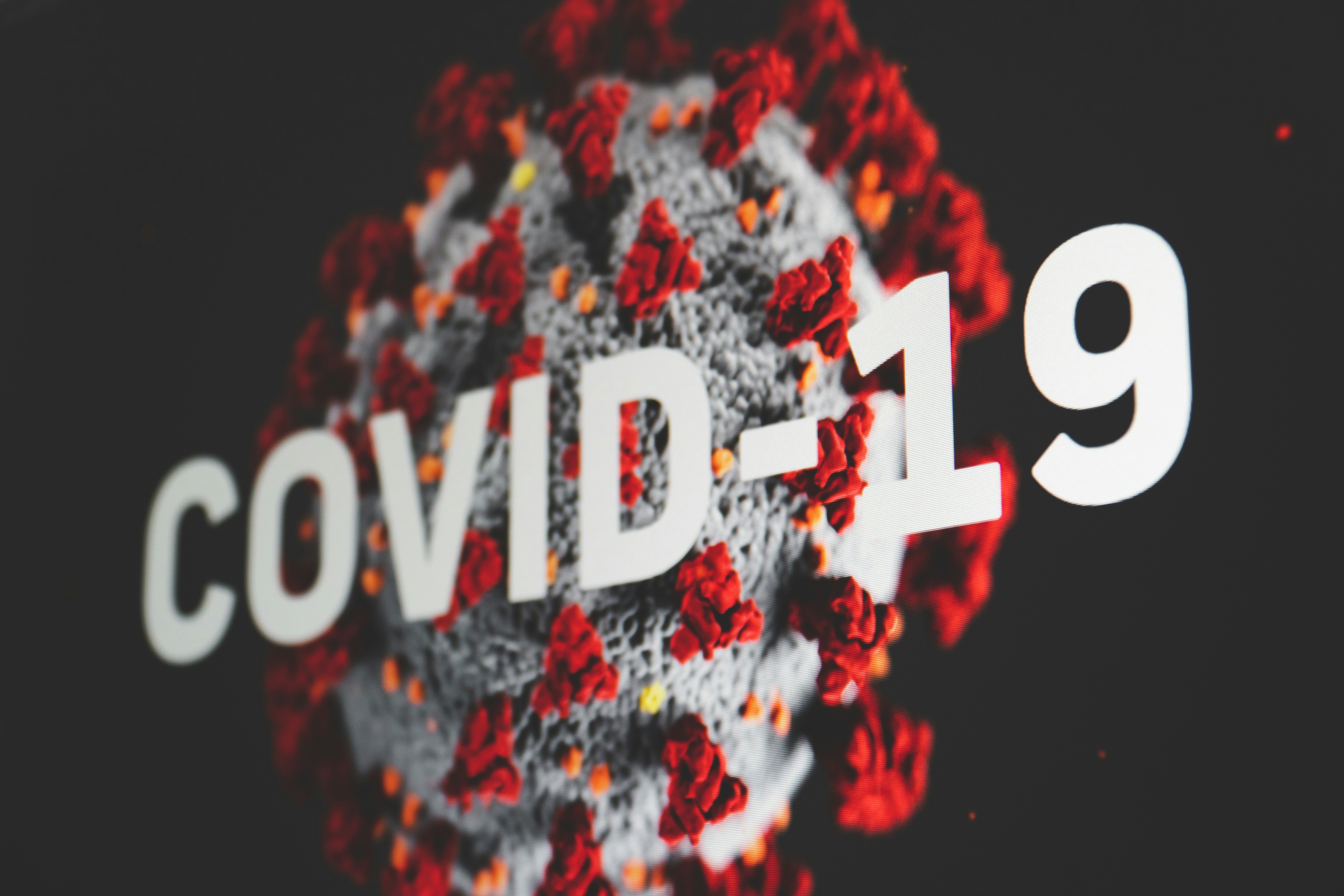
The COVID-19 virus keeps changing, creating new variants like Cicada (BA.3.2), which is grabbing attention. First spotted in South Africa in late 2024, it stayed quiet but came back in 2026, spreading to over 25 U.S. states, parts of Europe, and other countries. Nicknamed 'Cicada' because it emerges after years of staying underground, like the insect, this variant is part of the Omicron family that began in 2021. Unlike early Omicron strains such as BA.1 and BA.2, Cicada has more changes that might help it dodge immunity from vaccines or past infections.
However, there isn't much to worry yet as cases are low, and symptoms feel like a common cold. Experts say current vaccines still protect against serious illness, even if infection risk is a bit higher. Read on to know what sets Cicada apart from earlier Omicron types like BA.1, BA.2, BA.5, XBB, and JN.1.
Genetic Mutations
Cicada stands out with 70-75 mutations in its spike protein, the part the virus uses to enter cells and that our immune system attacks. That's way more than previous Omicron strains. For example, JN.1 and LP.8.1 have 30-40, while earlier ones like BA.1 had around 30-50 from the original virus. These changes happened fast, possibly in a "saltation event," where the virus jumps ahead in evolution instead of changing slowly.
Compared to BA.5 or XBB, Cicada's spike looks more different, making it 'genetically distinct' per the CDC. Early Omicron like BA.1 shifted the virus to be milder but super-spreadable. Cicada, on the other hand, builds on that but amps up immune evasion.
Also read: New Cicada Covid-19 Variant BA.3.2 Detected In The US: Key Facts, Symptoms, Risk Factors Explained
Immune Evasion and Spread
Cicada may slip past antibodies from vaccines or old infections better than recent strains like JN.1. Lab tests show weaker neutralisation compared to other Omicron offshoots. Still, it's not fully escaping, updated shots targeting JN.1 offer some defense.
On spread, Cicada seems as contagious as other recent Omicron types, with a slight edge in some places. Unlike Delta (before Omicron), which was deadlier, Omicron family members like Cicada have higher chances of infection than severity.
Symptoms and Severity
Symptoms of Cicada match other Omicron strains. Common ones include:
- Cough
- Fatigue
- Runny nose or congestion
- Headache
- Sore throat
- Mild fever
- Body aches
Less common symptoms may include:
- Loss of taste or smell
- Night sweats
- Skin rashes
Also read: Covid-19 Cicada Variant: Can Current Vaccines Protect Against BA.3.2 Subvariant?
Health agencies like the Centers for Disease Control and Prevention (CDC) note that Covid-19 symptoms continue to evolve with variants and can vary depending on vaccination status and immunity levels.
Vaccine Effectiveness
Vaccines aren't perfect against Cicada but they can still prevent severe outcomes. It may be less affected by current vaccines, which were designed for the JN.1 and LP.8.1 lineages. However, researchers have also emphasised that vaccination still provides strong protection against severe disease and death. Also, Cicada still belongs to the Omicron family of viruses, suggesting it may retain some genetic similarities to more recent variants.
What This Means Going Forward
Cicada shows that the virus evolves, but is holding the Omicron patterns; high spread, low severity. Stay protected with vaccines, wear masks in crowds, and follow hand hygiene.
Read more: Covid-19 Cicada Variant Spreads To 29 US States: Is India At Risk?
Disclaimer: This content including advice provides generic information only. It is in no way a substitute for a qualified medical opinion. Always consult a specialist or your own doctor for more information. NDTV does not claim responsibility for this information.