

)
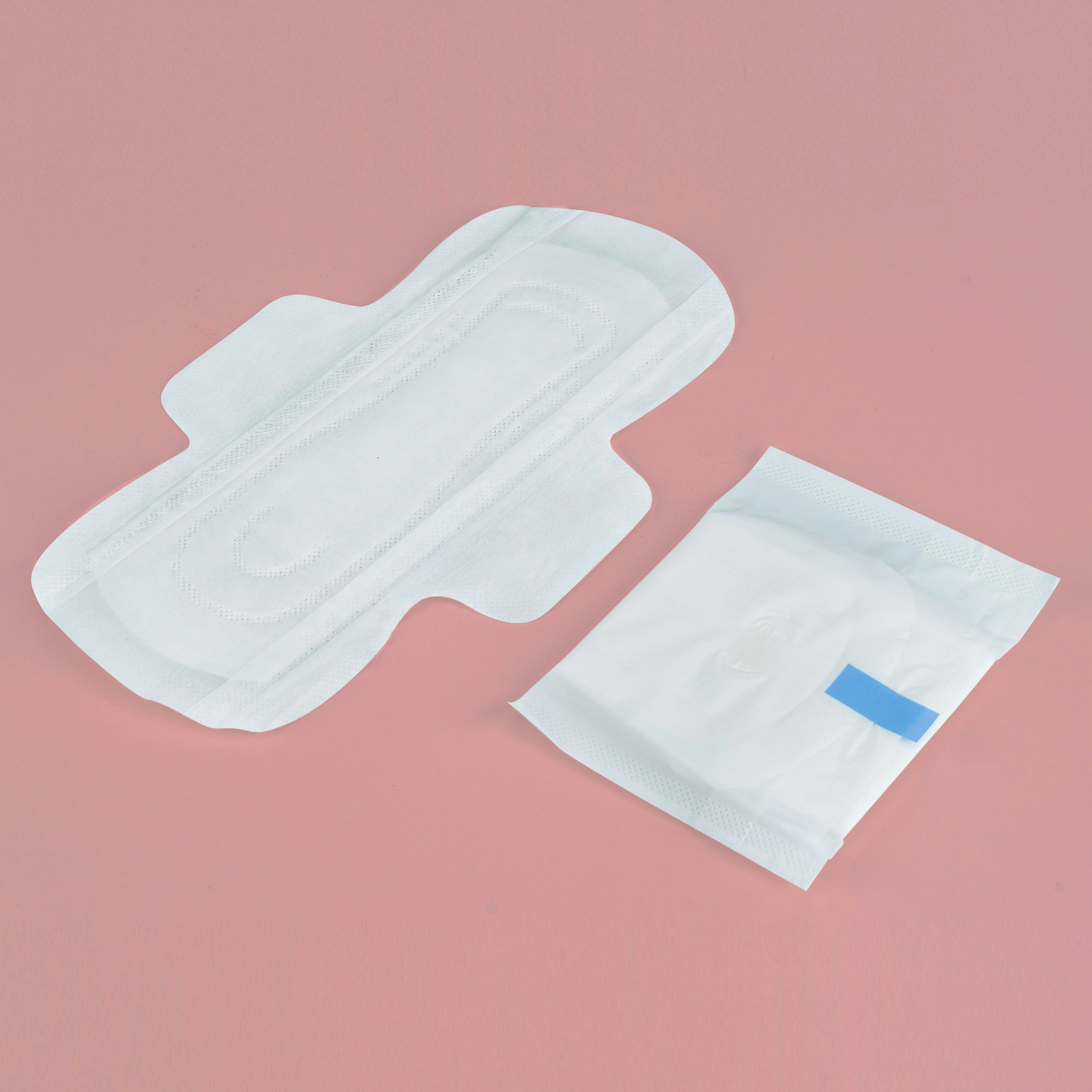
Summer heat can make periods feel significantly more uncomfortable for many women. Excessive sweating, humidity, friction, and prolonged use of sanitary pads may sometimes lead to irritation, itching, rashes, or even fungal infections in the intimate area. While sanitary pads themselves do not directly "cause" infections, experts say the warm and moist conditions created during hot weather can disturb the natural balance of the vaginal environment and allow fungi such as Candida albicans to thrive more easily.
Many women experience mild discomfort during menstruation in summer but often dismiss symptoms such as redness, burning, itching, or unusual discharge as temporary irritation. However, doctors warn that ignoring persistent symptoms or relying heavily on over-the-counter creams without medical advice can sometimes worsen the condition.
According to gynaecologists, factors such as infrequent pad changes, tight clothing, synthetic underwear, scented sanitary products, and excessive sweating can increase the risk of irritation and infections, particularly in women with sensitive skin or recurrent vaginal infections.
Here is what experts want women to know about sanitary pad use, fungal infections, and intimate hygiene during summer.
Can Sanitary Pads Really Cause Fungal Infections?
Experts clarify that sanitary pads alone are not the direct cause of fungal infections. The problem usually arises from prolonged moisture, heat, friction, and poor airflow around the intimate area. Vaginal yeast infections are commonly caused by an overgrowth of Candida, a fungus naturally present in the body. Warm and humid conditions can promote fungal growth, especially when the skin remains moist for prolonged periods.
Dr. Lepakshi Dasari, Consultant Gynaecologist and Laparoscopic Surgeon at Yashoda Hospitals, Hyderabad, explains, "The hot and moist environment of summer increases sweat around the genital region, and when a pad is worn for long hours without changing it, heat, moisture, menstrual blood and sweat are trapped together. This complex provides an ideal medium for the growth of fungi and pathogenic bacteria, including the onset of pseudo yeast fungal infections due to Candida albicans."
Similarly, Dr. Renu Chawla, Senior Consultant in Obstetrics and Gynaecology at Kailash Deepak Hospitals, Jaipur, says, "While sanitary pads themselves do not directly cause fungal infections, the warm and moist environment created during hot weather can encourage fungal growth, particularly yeast infections, in sensitive individuals."
Also Read: Warm, Moist And Itchy: 7 Fungal Infections You Must Protect Against In Summers
Why Summer Weather Increases The Risk
Hot and humid weather naturally increases sweating around the groin and genital region. During menstruation, reduced airflow because of continuous pad use can make the area even more humid. Yeast infections tend to thrive in moist, warm environments, especially when tight clothing or synthetic fabrics trap heat and sweat.
Dr. Tripti Dadhich, Additional Director of Obstetrics and Gynaecology at CK Birla Hospitals, Jaipur, says, "The vagina itself remains warm and moist, and wearing the pads over many hours plus the heat can allow fungi to thrive." She adds that the issue is often linked to how pads are used rather than the pad itself. "Wearing a pad for a long time, using very synthetic or heavily perfumed ones, lack of air circulation and wearing tight clothing can mean irritation, itching, rashes or fungal overgrowth."
Common Symptoms Women Should Watch For
Doctors say symptoms may vary from mild irritation to more persistent infections.
Some common warning signs include:
- Itching around the intimate area
- Redness or rashes
- Burning sensation
- Skin irritation from friction
- Pain or discomfort while walking or urinating
- Unusual vaginal discharge
- Foul smell
- Swelling or soreness
Dr. Dasari notes that fragrances, adhesives, synthetic materials, and chemicals in some sanitary pads may trigger irritation in women with sensitive skin. "Not every rash is fungal in nature. Sometimes irritation may just be from friction or heat," she says.
Who Is More Vulnerable?
Certain women may face a higher risk of developing irritation or fungal infections during summer. Factors that increase susceptibility to vaginal yeast infections include diabetes, weakened immunity, hormonal changes, antibiotics, and recurrent infections. Dr. Dadhich says women with sensitive skin, diabetes, excessive sweating, or a history of recurrent infections should be particularly careful during hot weather. Prolonged moisture exposure may also lead to skin breakdown and chafing, especially when tight clothing or non-breathable fabrics are involved.
How Often Should You Change Pads?
One of the most common mistakes women make during lighter flow days is delaying pad changes because the pad does not feel "full."
Doctors strongly advise against this. Dr. Chawla says pads should ideally be changed every four to six hours, or more frequently during heavy flow or excessive sweating. Dr. Dasari echoes this advice, saying, "Even if the pad does not feel soaked, it is advisable to change it every four to six hours to avoid infections and moisture accumulation."
Tips To Prevent Irritation And Infections In Summer
Experts recommend several simple but effective hygiene measures during menstruation:
- Change sanitary pads regularly
- Wear breathable cotton underwear
- Avoid tight-fitting clothing
- Keep the intimate area clean and dry
- Avoid excessive use of scented intimate washes
- Choose fragrance-free sanitary products if sensitive
- Stay hydrated during hot weather
Consider alternatives such as menstrual cups or period underwear if medically suitable Experts advise avoiding perfumed feminine hygiene products because they may disrupt the natural vaginal environment and increase irritation risk.
Also Read: Fungal Infections In Intimate Areas: Doctor Explains Causes, Treatment, Prevention
Why Self-Medication Can Be Risky
Many women use antifungal creams or home remedies without confirming the actual cause of irritation. However, doctors caution that not all rashes or itching are due to fungal infections. Dr. Dadhich warns against "self medicating with various creams over the counter on a daily basis without having it checked."
Persistent symptoms may sometimes indicate bacterial infections, dermatitis, allergic reactions, or other gynaecological conditions that require proper diagnosis. Experts recommend consulting a doctor if symptoms continue despite maintaining hygiene or if there is severe itching, swelling, abnormal discharge, pain, or recurrent infections.
Using sanitary pads during summer does not directly cause fungal infections, but hot and humid weather can create conditions that increase the risk of irritation and fungal overgrowth, especially when pads are worn for prolonged periods. Maintaining good menstrual hygiene, changing pads regularly, choosing breathable fabrics, and avoiding heavily perfumed products can help reduce discomfort and protect intimate health during hotter months. Most importantly, persistent symptoms should not be ignored or treated solely with self-medication. Timely medical advice can help prevent complications and recurrent infections.
Disclaimer: This content, including advice, provides generic information only. It is in no way a substitute for a qualified medical opinion. Always consult a specialist or your own doctor for more information. NDTV does not claim responsibility for this information.