

)
Bird flu, also known as avian influenza, is a viral infection that mainly affects birds. Wild birds often carry the virus without becoming seriously ill, but it can spread quickly among poultry like chickens, ducks, and turkeys. There are bird flu outbreaks from time to time which raise questions about human transmission. Although human infections are uncommon, they can happen, especially when a person has close contact with infected birds or contaminated environments. Hence, it is important to understand how the virus spreads and recognise the warning signs which can help reduce the risks of serious illness.
In most cases, it is unlikely that humans will catch bird flu. However, farmers, poultry workers, veterinarians, and others who regularly handle birds have a higher chance of exposure. In rare cases, the virus can cause severe illness in humans if it enters the body through the eyes, nose, mouth, or by breathing in infected droplets. Knowing the symptoms and taking simple preventive steps can make a difference.
Can Humans Catch Bird Flu?
Yes, humans can catch bird flu, however, it is rare. Most infections occur after direct contact with infected birds, their droppings, feathers, or surfaces contaminated by the virus. In a few cases, people have become infected while working on poultry farms or during the cleaning of bird enclosures.
The virus does not usually spread easily from one person to another. This is why most outbreaks remain limited to people who have had close contact with infected birds. Health experts continue to monitor bird flu closely because viruses can change over time, making regular surveillance important.
Symptoms You Shouldn't Ignore
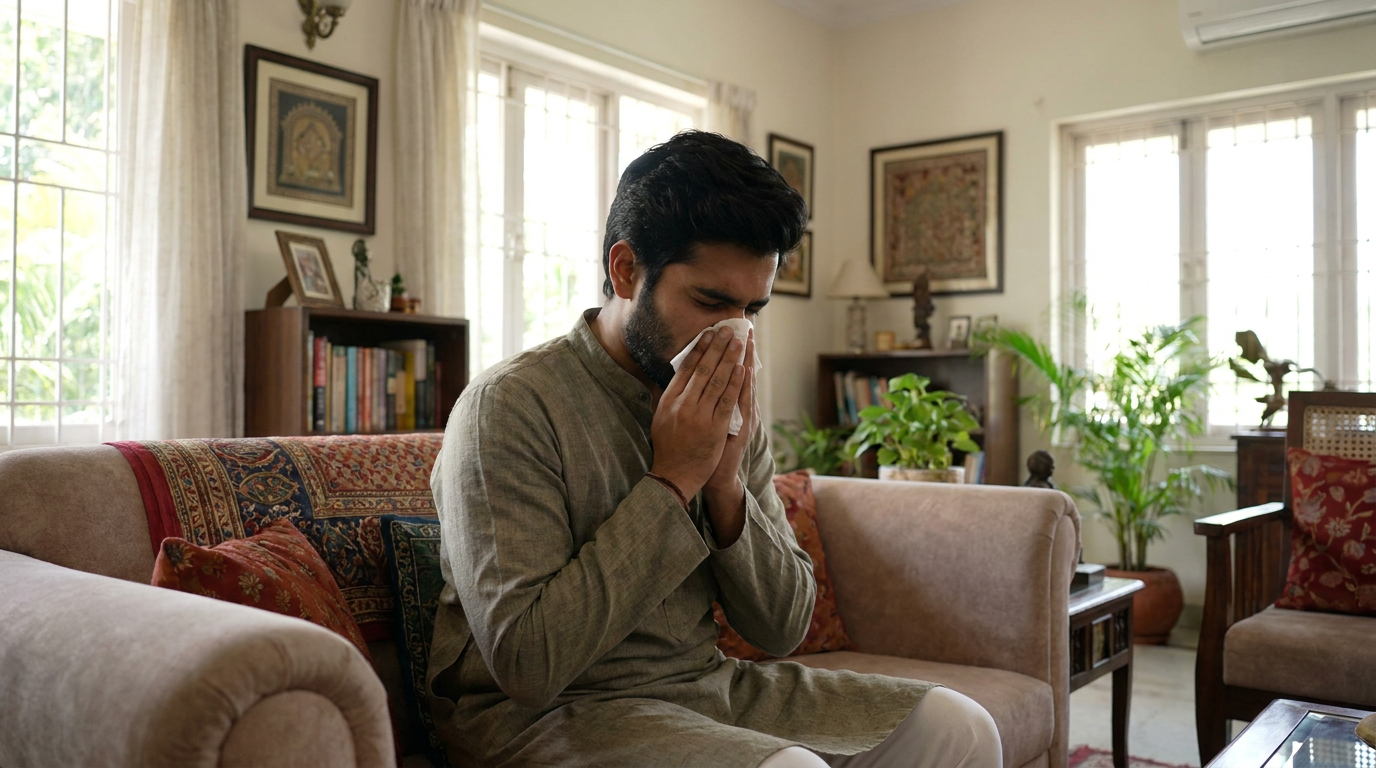
If a person becomes infected with bird flu, symptoms can range from mild to severe. Some people may develop only a few signs, while others can become seriously ill. Watch for these symptoms:
- Fever or chills
- Persistent cough
- Sore throat
- Runny or blocked nose
- Shortness of breath or difficulty breathing
- Muscle and body aches
- Extreme tiredness or weakness
- Headache
- Red or irritated eyes (conjunctivitis)
- Nausea, vomiting, or diarrhea in some cases
- Chest pain or worsening breathing problems, which needs immediate medical attention
If you have these symptoms after being around sick or dead birds, contact a doctor as soon as possible.
How Does Bird Flu Spread To Humans?
Bird flu usually spreads through direct exposure to infected birds or contaminated materials. People may become infected by touching birds, handling raw poultry from infected flocks, or breathing in tiny droplets or dust carrying the virus. The virus can also be present in bird droppings and contaminated equipment.
Proper hygiene, careful handling of poultry, and avoiding contact with sick or dead birds helps to reduce the risk of infection. Thoroughly cooking poultry and eggs also destroys the virus, which makes properly cooked food safe to eat.
Who Is Most At Risk?
Certain groups are more likely to be exposed to bird flu because of their work or environment. Poultry farm workers, bird handlers, veterinarians, animal rescue workers, and people involved in bird culling face the highest risk. Individuals living in areas with active bird flu outbreaks should also be extra careful. Wearing protective equipment and following health guidelines can help prevent infection.
How Can You Protect Yourself?
Avoid Bird Contact
Stay away from sick or dead wild birds, poultry farms, live bird markets, and dairy farms with ill animals. Also, if you come across any unusual bird deaths, report it to the authorities and let them handle it. This limits direct transmission from infected sources.
Cook Foods Properly
Thoroughly cook poultry, eggs, and meat to at least 165 degrees Farhenheit (75 degrees Celsius) internal temperature to kill the virus. Consume only pasteurised dairy and avoid raw or undercooked products.
Practice Hand Hygiene
Wash hands frequently with soap and water for 20 seconds, especially after touching birds, surfaces, raw poultry, or outdoor items like feeders. Use sanitiser if soap is unavailable. This removes any viral particles effectively.
Use Protection
Wear PPE like masks, gloves, and eye protection during unavoidable contact with birds or animals. Change clothing and footwear after you come in contact. Biosecurity helps to protect high-risk groups like farmers.
Get Vaccinated
Annual human flu shots can help prevent the risks of co-infection. Follow local health advisories on outbreaks and avoid travel to affected regions if possible.
Disclaimer: This content including advice provides generic information only. It is in no way a substitute for a qualified medical opinion. Always consult a specialist or your own doctor for more information. NDTV does not claim responsibility for this information.