

)
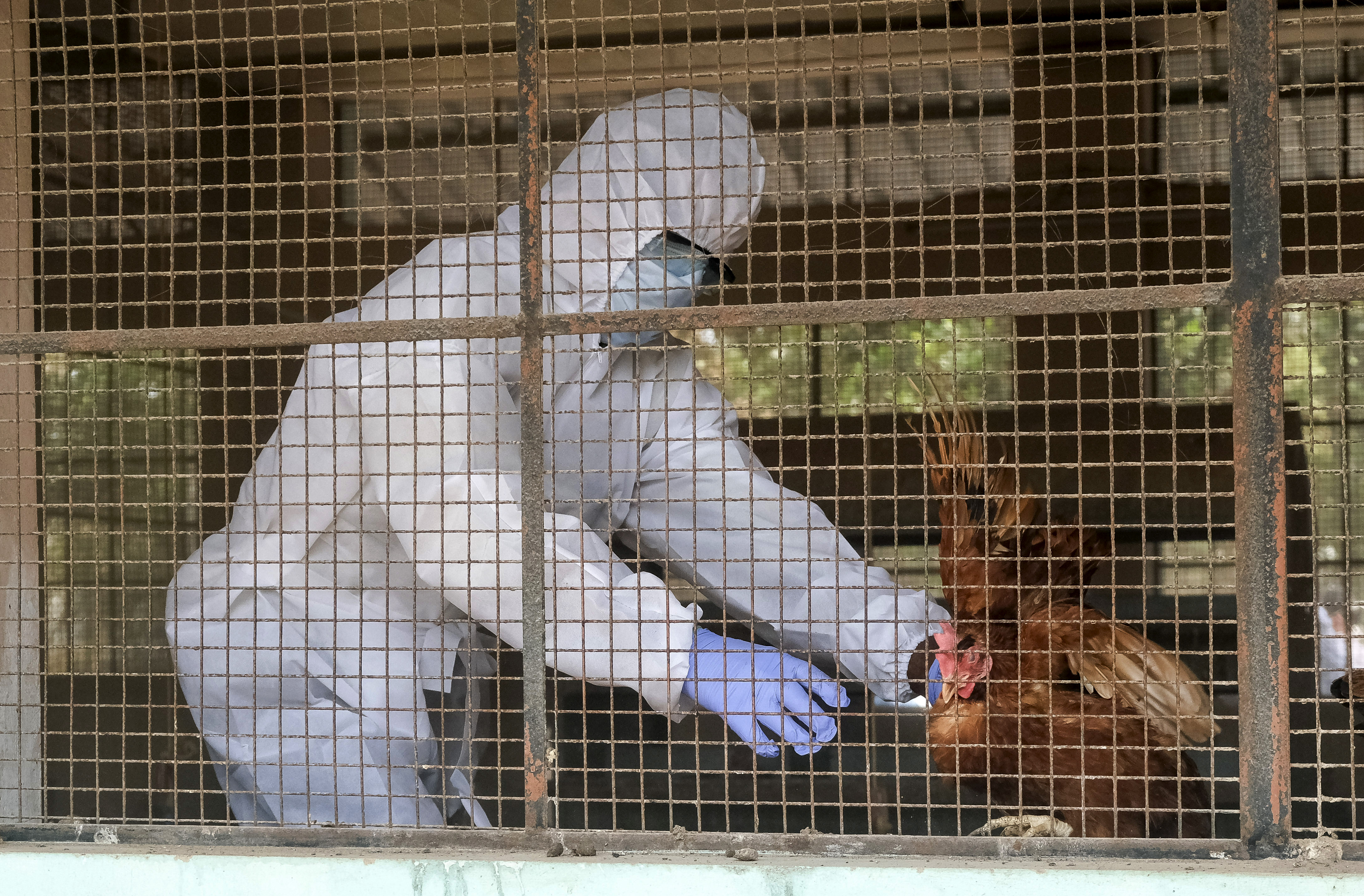
Bihar is facing renewed concern over avian influenza outbreak. According to IANS reports, around 6,000 chickens were culled in Patna after avian influenza was confirmed at the Poultry Research and Training Centre run by Bihar Animal Sciences University in Kaushal Nagar, Chitkohra, near the airport. Following laboratory confirmation, the Dairy, Fisheries and Animal Resources Department ordered immediate culling and scientific burial of all birds at the facility. The area has since been sanitised, and residents advised to follow strict precautions. Authorities have banned the movement of chickens and roosters within municipal limits. A one-kilometre infection zone and a nine-kilometre surveillance zone have been declared around the affected farm.
Understanding why culling is used, and in what circumstances it becomes necessary, is crucial for interpreting official actions. Bird flu (avian influenza) viruses can infect wild birds like crows and migratory species, but they also have the potential to spread to domestic poultry, which can serve as a reservoir for broader outbreaks and economic losses. Authorities must balance the low but real risk of human transmission and the agricultural impact when deciding on disease control measures. Researchers and veterinary health organisations employ a range of strategies, from surveillance and biosecurity to depopulation, to reduce viral spread and protect animal and public health.
What Is Bird Flu and How Do Birds Spread It?
Bird flu, formally known as avian influenza, is caused by influenza A viruses that circulate in wild waterfowl and other birds. Certain strains, like H5N1, are classified as highly pathogenic, meaning they can cause rapid disease and high mortality in birds. These viruses shed through bird saliva, nasal secretions and faeces, contaminating the environment and potentially infecting other animals.
Wild birds, including crows and migratory waterfowl, act as natural reservoirs for avian influenza viruses and play a key role in spreading them over long distances during migration. When these infected wild birds interact with domestic poultry, for example, in open farms, water bodies or shared habitats, they can transmit the virus to chickens, ducks and other birds that are more susceptible to severe disease. Once domestic flocks are infected, the bird flu virus can spread rapidly through poultry populations, leading to large outbreaks.
Also Read: Bird Flu Alert In Chennai: What's Happening In Tamil Nadu And How People Can Stay Safe
Why Culling Becomes Part of Outbreak Response
Culling, the selective killing of infected or at-risk birds, is a disease control strategy used globally to eliminate sources of infection and prevent transmission to other birds and, rarely, to humans.
The main reasons authorities resort to culling include:
- Stopping Rapid Spread Among Poultry: Domestic poultry can amplify the virus rapidly due to dense flock populations. Removing infected birds reduces the viral load in the environment.
- Preventing Spillover to Humans: While human infection is rare and typically occurs with direct, prolonged exposure to infected birds or carcasses, H5N1 has caused human cases in the past with serious outcomes. Culling lowers the chance of widespread circulation near people.
- Protecting the Poultry Industry: Outbreaks among chickens and ducks can devastate commercial poultry industries, leading to economic losses and food supply disruptions. Rapid culling limits economic impact.
For example, in previous outbreaks in India, such as in Kerala, authorities have ordered the scientific culling of all domestic birds within a certain radius of confirmed infections to control spread. In other settings internationally, rapid depopulation around outbreak sites has been shown to halt transmission and reduce secondary infections.
How Culling Is Done and When
Culling is not random; it follows strict veterinary and biosecurity protocols. When bird flu is confirmed in domestic poultry or in areas with high risk of spread, officials may:
- Identify and depopulate infected flocks
- Cull adjacent or at-risk birds within a defined radius
- Safely dispose of carcasses through burial or incineration
- Restrict movement of birds, eggs or poultry products from affected zones
- Disinfect farms and equipment to reduce environmental contamination
These measures are usually accompanied by enhanced disease surveillance and biosecurity steps such as limiting farm access, controlling personnel movement, and enforcing strict sanitary practices.
Authorities typically weigh the decision to cull based on the epidemiological risk, size of the flock, proximity to other poultry farms, and likelihood of rapid spread. In some cases involving wild birds, like crows or migratory species, culling is less practical or not recommended, and monitoring and safe carcass disposal become the focus. For example, burying or incinerating dead wildlife carcasses is advised to prevent scavengers from spreading the virus.
Also Read: Can Bird Flu Spread Through Eggs And Chicken? Food Safety Explained
Culling vs. Other Control Strategies
Culling is often part of a multi-pronged response rather than a standalone solution. Other strategies can include:
- Movement controls: Restricting transport of birds and poultry products from affected zones.
- Biosecurity enhancements: Preventing contact between wild and domestic birds through housing measures, barriers and hygiene protocols.
- Surveillance and testing: Rapid testing of symptomatic birds and routine screening of poultry flocks for early detection.
Scientific models of avian influenza transmission suggest that while quarantine, vaccination and isolation strategies have roles, timely depopulation (culling) often reduces outbreak duration and spread most effectively in densely farmed poultry environments.
Public Health Implications and Mitigating Human Risk
Public health bodies like the Centers for Disease Control and Prevention (CDC) emphasise that human infections with H5N1 are uncommon and typically occur after close, unprotected contact with infected birds. To protect people, health guidance includes avoiding direct contact with sick or dead birds, using protective equipment when handling birds, and practising good hygiene after potential exposure.
In Tamil Nadu, officials had issued advisories urging residents to report unusual bird deaths, avoid handling carcasses bare-handed and follow hygiene practices, even as the risk to the general public remains low.
Ethical and Economic Considerations
Culling operations inevitably raise concerns about animal welfare and economic impacts for farmers. Authorities strive to balance these factors by limiting culling to the minimum necessary and coupling it with compensation schemes or support measures for affected poultry owners. Veterinary guidance and risk communication help ensure that culling actions are transparent, targeted and scientifically justified.
Culling birds during avian influenza outbreaks is a well-established, science-driven intervention designed to interrupt viral spread, protect public health and safeguard poultry industries. In the context of the previous bird flu alert in Tamil Nadu and the current outbreak in Bihar, authorities are intensifying surveillance, strengthening biosecurity and advising the public on preventive measures. While the culling of wild birds like crows is not always practical, rapid response and strategic depopulation of domestic poultry remain key tools in containing outbreaks and reducing both animal illness and potential human exposure.
Understanding the rationale behind these actions can help communities respond with awareness rather than fear, support disease control efforts and protect both animal and human health in the face of avian influenza challenges.
Disclaimer: This content including advice provides generic information only. It is in no way a substitute for a qualified medical opinion. Always consult a specialist or your own doctor for more information. NDTV does not claim responsibility for this information.