

)
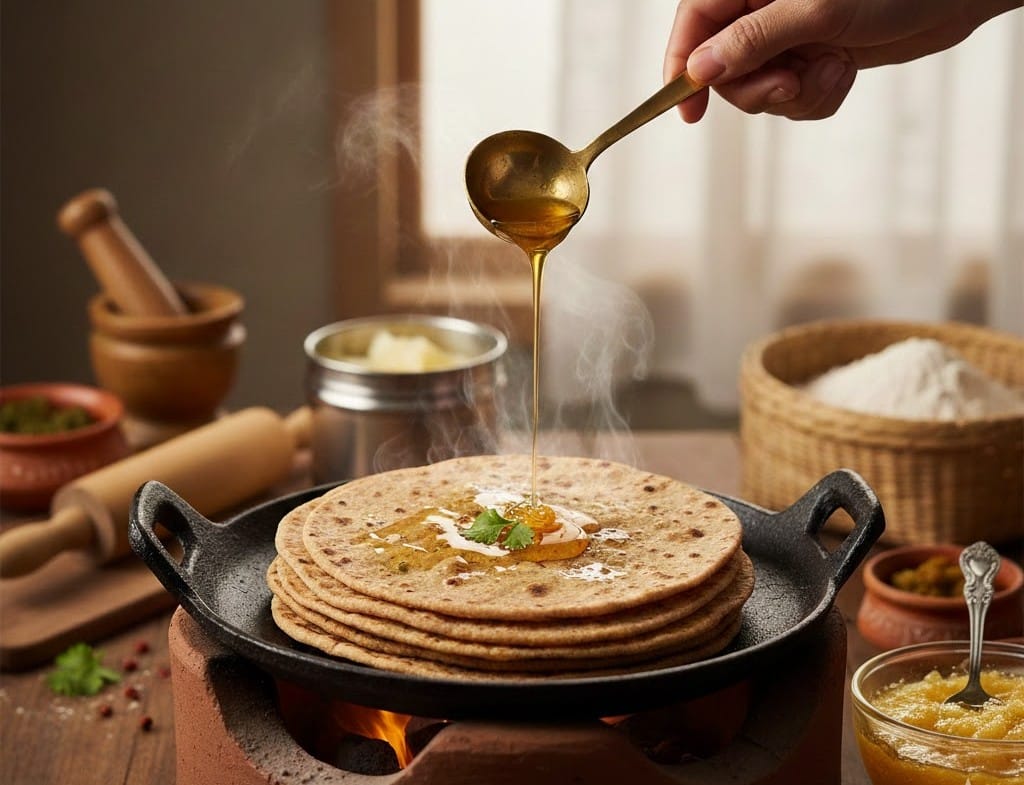
A simple morning ritual of ghee on chapati can be the energy boost you are searching for, according to Ayurvedic and now, modern scientific research. New research suggests this traditional Indian breakfast combination might hold answers for those struggling with fatigue. Ghee, or clarified butter, with roots stretching back 5,000 years to ancient India, has long been a kitchen staple across the country. Made by carefully removing milk solids from butter, this golden ingredient is prized for its distinctive nutty flavour and remarkable cooking properties. For countless households, no meal feels complete without ghee, particularly when spread over a warm chapati, and often paired with other traditional foods like vegetables and curd. But beyond tradition and taste, health-conscious Indians are now asking a crucial question: Does eating chapati with a teaspoon of ghee in the morning actually deliver sustained energy throughout the day?
The timing of this question matters. As more people seek natural alternatives to processed energy drinks and caffeine dependence, traditional foods like ghee are experiencing renewed scientific analysis. With its high smoke point and rich nutritional profile, ghee represents more than cultural heritage; it may offer measurable metabolic benefits that align with what modern research reveals about sustained energy release. The answer lies in understanding how this ancient preparation interacts with the body's energy systems and whether centuries of traditional wisdom can stand up to contemporary nutritional science.
What Makes Chapati With Ghee Helpful In The Morning
Traditionally, Indian households practise making and consuming chapatis with a small teaspoon of ghee to brighten up their day. Studies suggest that consuming ghee and a slow-releasing carbohydrate like whole wheat chapati can boost energy levels. Ghee is an energy-supporting fat which is known for promoting longevity, enhancing memory, and supporting the nervous system. From a modern scientific perspective, the understanding of dairy fats, including ghee, is evolving, with recent research highlighting functional benefits and positive aspects of their fatty acids. It is important that the combination is considered. Here is how ghee consumption can be beneficial in the morning:
- The combination can improve overall gut health. Ghee is believed to stimulate the digestive system and can help relieve digestive disorders, promoting a healthy gut. It contributes to making digestion faster and facilitates better metabolism.
- Ghee provides micronutrients and moisture, which aid the digestion process. It also supports the cleansing and detoxifying of the colon.
- As a carrier for herbs in Ayurvedic medicine, ghee can enhance the absorption of functional components, suggesting a similar role in nutrient absorption from other foods like chapati. It is also a good source of fat-soluble vitamins such as A, D, E, and K.
- Consuming chapati, especially when made from whole grains, provides complex carbohydrates. When combined with ghee, which contains healthy fats, it can lead to a slower and more sustained release of glucose into the bloodstream. This helps prevent rapid spikes and crashes in blood sugar levels, providing consistent energy throughout the morning.
- Studies on multigrain chapati, which often incorporates high-fibre ingredients, indicate a lower glycaemic index (GI), meaning a slower rate of carbohydrate digestion.
- While ghee's direct impact on chapati's GI needs more specific research, its fat content can generally slow gastric emptying, contributing to a lower overall glycaemic response of the meal.
- Chapati with ghee offers a balanced combination of carbohydrates from the chapati and healthy fats from the ghee. This makes for a wholesome and satisfying breakfast that can keep you feeling full for longer, potentially reducing the likelihood of mid-morning snacking.
- Ghee is rich in short-chain and medium-chain fatty acids and fat-soluble vitamins. These components contribute to its bioactivity and potential health benefits.
Nutritional Breakdown Of Ghee And Wheat Chapati
According to the USDA, 14 grams of ghee possess the following nutritional values:
- Calories 123
- Fat 14 grams
- Saturated fat 9 grams
- Monounsaturated fat 4 grams
- Polyunsaturated fat 0.5 grams
- Protein trace amounts
- Carbs trace amounts
- Vitamin A 13% of the daily value
- Vitamin E 3% of the daily value
- Vitamin K 1% of the daily value
While the whole wheat chapati has the following approximate nutritional value according to Indian Council of Medical Research and National Institute of Nutrition (2024):
Nutrient Amount (Approx.)
- Calories 70-80 kcal
- Carbohydrates 15-18 g
- Protein 2.5-3 g
- Fat 0.5-1 g (without oil/ghee)
- Fibre 2-3 g
- Iron 0.7-1 mg
- Calcium 5-10 mg
- Potassium 30-40 mg
- Sodium B Vitamins
- Small amounts (B1, B3, B6)
The exact combination of whole wheat chapati and ghee lies in its combination of complex carbs and fibre, combined with the healthy fats and fat-soluble vitamins, respectively. This combined effect affects the overall system through a combined effect through its steady energy release.
Does Eating One Chapati With Ghee Boost Energy Levels?
The simple answer is, yes, it does. Here's how.
1. Slow And Steady Energy Release
This Indian kitchen staple has complex carbohydrates and healthy fats, which provide sustained energy through the morning. A chapati with a spoonful of ghee can be nourishing, as multiple studies have suggested that ghee with chapati can provide the following benefits after consumption:
- Adding a small amount of ghee to chapatis, steamed rice, or dals has been observed to flatten post-meal glucose spikes. This effect is particularly beneficial for managing blood sugar levels and providing sustained energy.
- Instead of a rapid sugar bomb effect from quick carbohydrate digestion, the fat from ghee helps the meal act as a slow-release fuel. This means that the energy from the chapati is released gradually over a longer period, preventing energy crashes and promoting sustained satiety.
- Ghee, being a healthy fat, also aids in the absorption of fat-soluble vitamins present in the meal. This contributes to the overall nutritional value and effectiveness of the meal in providing sustained nourishment.
2. Supports Better Digestion
A teaspoon of ghee acts as a lubricant for the digestive tract, while the whole wheat chapati provides fibre. This balance helps decrease the time the food spends once ingested through the mouth and gets absorbed into the bloodstream as energy. Not only for healthy individuals, but it is also documented that women who have just given birth can consume chapatis with ghee for better digestive outcomes and energy.
3. Helps Maintain Blood Sugar Stability
Several studies have suggested that a moderate amount of ghee can prevent mid-morning crashes common with sugar-spiking breakfasts. Most people tend to consume sugary breakfasts consisting of cereals or leftovers from the night before, and breakfasts are normally quite elaborate meals of the day. This means that the large portion consumed in the morning can lead to a sudden spike in the blood sugar levels, which is where the ghee with chapati combination can be helpful.
4. Keeps You Full Longer
Ghee with chapati reduces cravings, which is vital for effective weight management. In turn, this also promotes long-term satiety (meaning one feels full for longer periods), and it also reduces the chance of overeating later in the day. One of the main causes of overeating at the end of the day could be stress. Studies have suggested, in modern research and Ayurvedic texts, that ghee is helpful in this regard. It is known for its therapeutic properties, and traditional uses suggest it may contribute to mental well-being and stress relief.
How Much Ghee Is Healthy in the Morning?
Various studies have documented that consumption in moderation is helpful. Healthy individuals, with no history of heart disease or any other chronic health condition, can consume half a teaspoon to one complete teaspoon of ghee on a whole wheat chapati, which is generally considered balanced.
It is vital to avoid overuse and consciously regulate how much ghee is being consumed in total throughout the day. Consult a medical professional for proper portion control as per individual needs.
Who Should Avoid Or Limit Ghee in the Morning?
For people who have been diagnosed with heart disease, diabetes and any other chronic health conditions or medical history related to weight gain, it is advisable to consult a specialist for the exact dosage of ghee for individualised needs. Here is a list of reasons that should make people mindful of their ghee intake:
- People monitoring calorie intake
- Those who are medically advised to limit saturated fats in their diet
- Anyone with specific dietary restrictions based on their body type or medical history
While there are many myths associated with ghee consumption, several studies exist which have busted the most well-known myths. Like ghee makes one gain weight, ghee can cause heart problems and many more such myths. Healthy individuals can consume one chapati with a small amount of ghee, and this supports steady energy levels.
Note: This combination works well as part of a balanced Indian breakfast. The key is moderation and pairing with protein to make the meal more impactful and effective.
Disclaimer: This content, including advice, provides generic information only. It is in no way a substitute for a qualified medical opinion. Always consult a specialist or your own doctor for more information. NDTV does not claim responsibility for this information.