

)
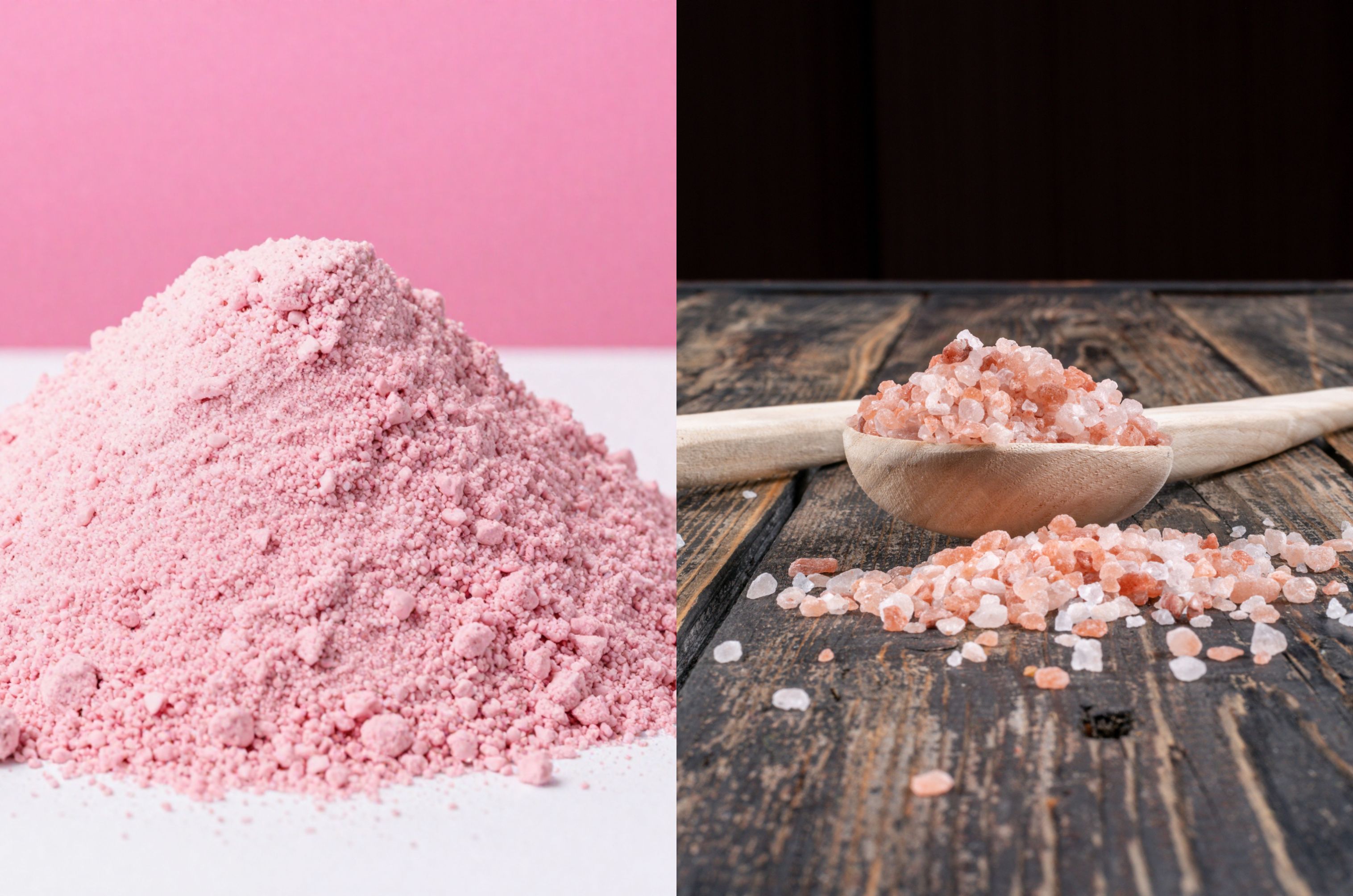
The Indian kitchen is home to different varieties of salt, be it naturally occurring white salt, black salt, or rock salt. Keeping the widely used white salt aside, the health benefits of black salt and rock salt can nourish the internal functioning of the body. The rich mineral content of these unrefined salts can offer numerous health benefits. From winter wellness to digestive health, the winter season brings a host of health issues that need attention. The problem of winter sluggishness can be reduced by consuming certain traditional remedies, such as black salt and rock salt, but in moderation. There are various safety instructions that need to be paid attention to reap the health benefits that black and rock salt provide.
What Is Black And Rock Salt?
Black salt, or Himalayan black salt, has a unique flavour and certain sulphur compounds and minerals that can help the body with its functioning. When compared with rock salt, the pinkish salt has sodium chloride and trace minerals and is even used in fasting and religious rituals. Certain studies indicate that black and pink salt have unique properties that benefit the body with their minerals. But both of these types of salt need moderation to avoid a sodium overload in the body.
Nutritional Profile Of Black Salt
Black salt and pink salt have nutritional differences that can help people make decisions about which type of salt can be beneficial for which health issue. For instance, black salt is beneficial in relieving symptoms of congestion, which is common during dry winter months. The sodium content present in black and pink salt varies along with its mineral diversity, like iron, magnesium, and potassium.
The key aspect to note is that different types of salts have a different impact on blood pressure and heart health. According to the International Journal of Microbial Research (values per 100 g), there are certain mineral components that lend black salt its distinct flavour and nutrient profile. These values are as follows:
Mineral Components
Sodium (Na): 37.83 g or 3783 mg
Chloride (Cl): 60.3 g
Potassium (K): 87 mg
Sulphur (S): 450 mg
Iron (Fe): 43.1 mg
Nutritional Profile Of Rock Salt
According to the USDA, these are the nutrition facts for rock salt:
Calories: 0 per serving (1.5 g).
Fat: 0 g.
Protein: 0 g.
Carbohydrates: 0 g.
Sodium: Approximately 388 mg per 1/4 teaspoon.
Minerals: Contains small traces of potassium, calcium, and magnesium, but these amounts are minimal.
Himalayan pink salt is low in carbohydrates and sugar, making it a good choice for maintaining healthy blood sugar levels.
Health Benefits Of Black Salt
Studies signal various Ayurvedic applications of black salt that extend to digestive aids and respiratory therapies. This is because black salt is valued for aiding in bile production and relieving symptoms of respiratory ailments like sinusitis and bronchitis, which are becoming increasingly common due to a rise in air pollution. However, caution is advised regarding its sodium content, which warrants moderation to reduce the potential health risks, particularly for individuals susceptible to hypertension and cardiovascular diseases. Moreover, the environmental impact of black salt mining calls for sustainable practices to minimise ecological disruption and support local economies effectively.
Here are the health benefits of black salt that have labelled it as the go-to natural remedy for digestive issues:
- Studies suggest that consuming a small dose of black salt as part of a healthy diet can aid in digestion and reduce bloating.
- Consuming black salt in moderation with ingredients like turmeric and black pepper can help people with congestion relief, which has been documented in various studies.
Health Benefits Of Rock Salt
Studies suggest that rock salt contains halite, which is a natural mineral compound primarily composed of sodium chloride. It is rich in essential trace minerals that contribute to its wide-ranging health benefits. The main health benefits of rock salt include:
- Studies suggest that rock salt functions as a natural supplement that can balance hydration and aid in electrolyte balance.
- Studies indicate that rock salt consumption can help relieve symptoms of arthritis.
- Various studies have documented that rock salt can effectively stimulate digestive enzymes to ease bloating and stomach discomfort.
Which Is Better?
Black salt and rock salt each have their strengths, and both of them need to be consumed in moderation. The people who have hypertension and acidity and seek to effectively manage weight need to tailor their approach accordingly. No type of salt is better; both have their strengths and weaknesses, and which one to consume depends on what kind of purpose they are being used for.
Tip: Use black salt for flavour and its digestive benefits, and rock salt for its high mineral content.
Black salt and rock salt are both important for their health benefits, and each of them serves different needs. Choosing which one to consume is important, and moderation is important.
Disclaimer: This content, including advice, provides generic information only. It is in no way a substitute for a qualified medical opinion. Always consult a specialist or your own doctor for more information. NDTV does not claim responsibility for this information.