





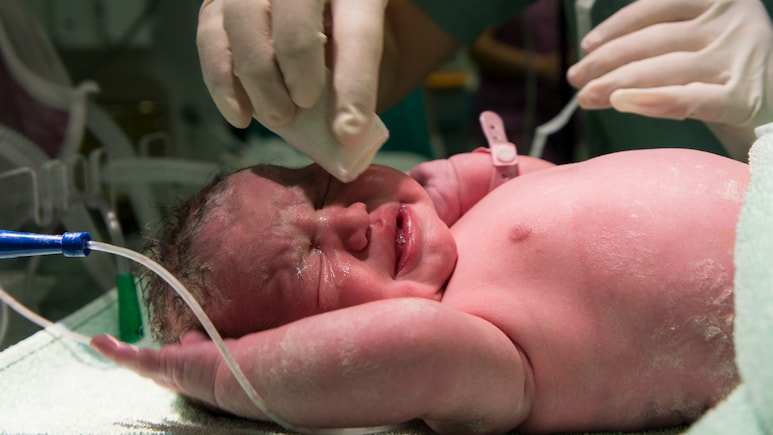
- The placenta supports the fetus by supplying oxygen and nutrients during pregnancy
- Placental stem cells have potential in regenerative medicine and treating various diseases
- Amniotic membranes from the placenta aid wound healing and tissue repair in medical treatments
For most people, the placenta is simply viewed as a temporary organ that supports a baby during pregnancy and is discarded after delivery. However, modern medicine has begun to recognize that the placenta can have significant medical and scientific value even after childbirth. The organ which develops during pregnancy to provide nourishment and protection to the unborn child contains various materials that researchers and medical professionals use for their studies and treatments.
The delivery of the placenta allows researchers to discover fresh applications for regenerative medicine and wound healing and stem cell research.
The Placenta: A Temporary but Powerful Organ
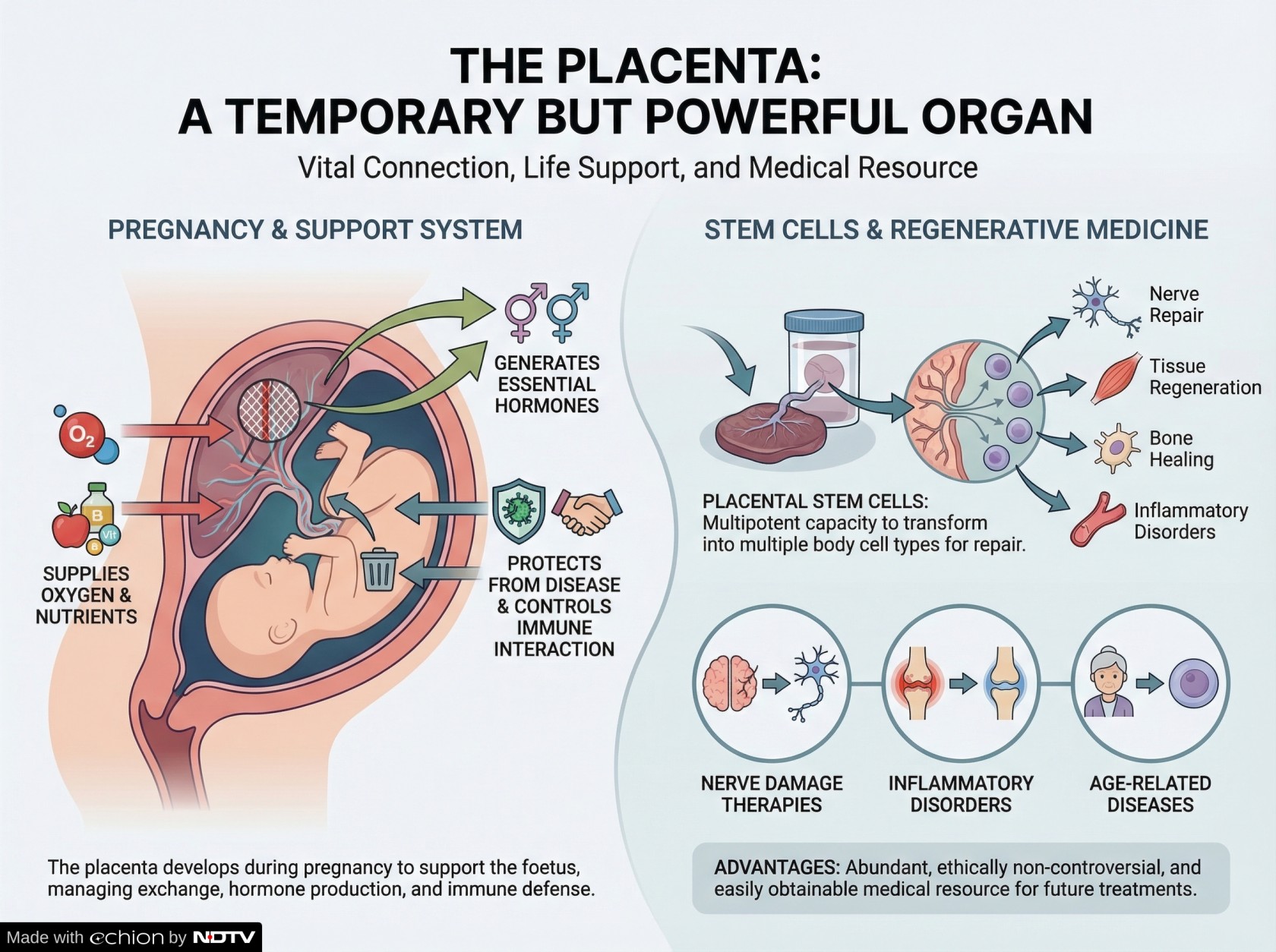
The uterus develops the placenta during pregnancy which functions as the vital connection between mother and child. The placenta supplies oxygen to the foetus and delivers nutrients while it removes waste materials and generates essential hormones that sustain the pregnancy. The system protects the foetus from infectious diseases while controlling how the mother and baby systems interact with each other immunologically.
The placenta has special biological functions which provide it with a high concentration of growth factors and stem cells and specialized tissues that assist in healing and tissue regeneration.
Placental Stem Cells and Regenerative Medicine
The investigation of stem cells present in placental tissue stands as the most advanced field of placental research. The stem cells possess the capacity to transform into multiple body cell types which enables them to assist in tissue regeneration.
The scientists study how placental stem cells can be used in regenerative medicine to develop therapies for nerve damage, inflammatory disorders, and specific age-related diseases. The placenta provides an essential medical resource because its cells can be obtained with ease and their ethical implications are lower than those of other stem cell sources.
Use in Wound Healing and Tissue Repair
The medical field already utilizes amniotic membrane and other placental tissues for multiple therapeutic purposes. The medical field uses processed amniotic membranes in surgical procedures and ophthalmological treatments to assist with both wound healing and tissue restoration. The tissues contain proteins and growth factors which function to decrease inflammation and accelerate cell development and tissue regeneration. The medical field uses them to treat chronic wounds and burns and eye surface injuries when conventional treatment options prove inadequate. The amniotic membrane functions as a natural healing agent that possesses both anti-inflammatory and antimicrobial properties to help medical professionals achieve better patient outcomes.
Placenta and Umbilical Cord Blood Banking
Another vital medical function of the placenta applies to umbilical cord blood. The umbilical cord and placenta hold cord blood which contains hematopoietic stem cells that have the ability to develop into different blood cell types. The process of cord blood banking enables the storage of these stem cells so they can be used to treat specific blood disorders and immune system diseases and cancers including leukemia. Medical professionals have successfully used cord blood stem cells in bone marrow transplants to treat patients.
The option of cord blood banking has become more known to families even though not all families decide to use this service because research shows its possible advantages.
Ethical and Medical Considerations
The placenta shows potential for medical use but its application needs to adhere to established medical standards and ethical requirements. Research and therapeutic work with placental tissue needs mother consent before any collection or use occurs. The tissue requires screening and processing steps to confirm its safety for medical purposes. The hospitals and tissue banks implement strict protocols to ensure their operations maintain both safety standards and quality control.
A New Perspective on a Commonly Discarded Organ
The placenta has been viewed as a temporary organ that becomes useless after childbirth for many generations. However, medical science progress is transforming this outdated belief. The placenta provides medical research and regenerative therapies and healing treatments through its use in scientific studies instead of being treated as waste.
Research evolution is showing that the placenta functions as a crucial pregnancy organ while also serving as a biological asset that can support future medical advancements.
(By Dr. Meghana Reddy Jetty, Senior Consultant - Obstetrics, Gynecology, Laparoscopy and Aesthetic Gynecology, Aster Whitefield)
Disclaimer: The opinions expressed within this article are the personal opinions of the author. NDTV is not responsible for the accuracy, completeness, suitability, or validity of any information on this article. All information is provided on an as-is basis. The information, facts or opinions appearing in the article do not reflect the views of NDTV and NDTV does not assume any responsibility or liability for the same.
Track Latest News Live on NDTV.com and get news updates from India and around the world

