

)
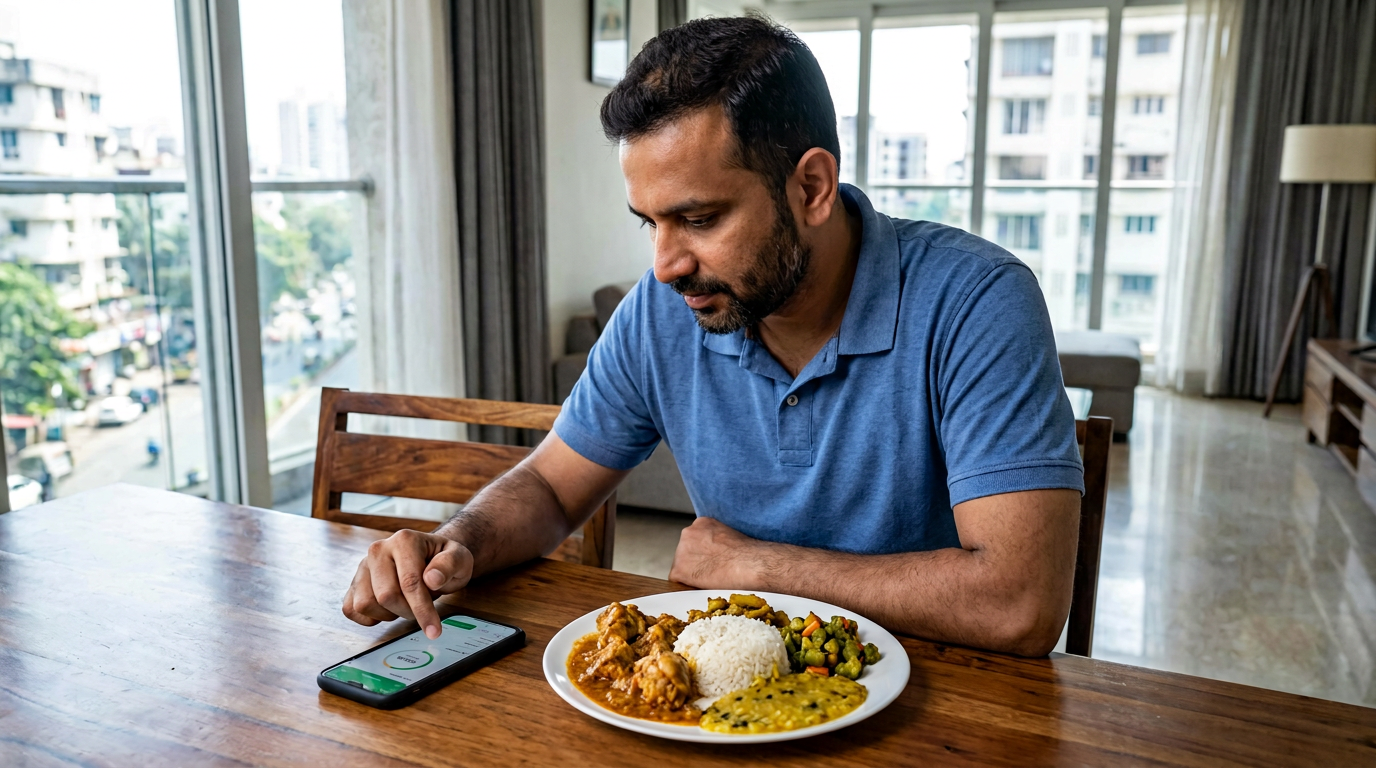
Artificial intelligence (AI)-powered calorie-tracking apps have become increasingly popular among people trying to lose weight, manage diabetes, or maintain a healthy diet. Instead of manually entering every ingredient, these apps allow users to simply click a photo of their meal and receive an estimate of calories, protein, carbohydrates, and fat. While this has made food logging faster and more convenient, it may not always be as accurate as many users believe.
A new study presented at NUTRITION 2026 found that four popular AI-powered food-tracking apps underestimated the calorie content of meals by around 250 to 345 calories on average. They also underestimated fat by about 30 grams. The findings suggest that these apps found it particularly difficult to assess high-fat ketogenic meals accurately. Researchers say these tools can still be useful, but users should understand their limitations and avoid relying on them alone.
Aaron Hengist, a postdoctoral visiting fellow with the Intramural Program of the National Institute of Diabetes and Digestive and Kidney Diseases (NIDDK), part of the National Institutes of Health, said, "Photo-based calorie tracking apps are very popular, especially for people trying to manage their health or lose weight. However, the accuracy of many of these apps has not been thoroughly evaluated. Our study helps address this question by looking at whether these apps can reliably estimate calories."
Why Did The Apps Get It Wrong?
Researchers tested four popular photo-based calorie-tracking apps using 102 carefully prepared meals from a controlled metabolic kitchen, where every ingredient was weighed to the nearest 0.1 gram. This allowed them to compare the apps' estimates with the actual nutritional values. They found that while carbohydrates were estimated more consistently, calories and fat were often significantly underestimated. The researchers believe that identifying hidden ingredients and estimating portion sizes from a single photograph remain major challenges for AI.
Hengist said, "By using meals prepared in a tightly controlled metabolic kitchen, we were able to compare the apps' estimates against a precise reference. This kind of direct, high-quality comparison hasn't been available before."
What Did The Study Find?
The researchers found that all four apps underestimated the calorie content by about 250 to 345 calories, and fat by about 30 grams. Hengist said, "People using a photo-based tracking app without adjusting the portions or entering the amounts of food should take the results with a grain of salt. These apps tend to underestimate calories, especially from fats, so what they actually ate is likely higher than what the app shows."
Things To Keep In Mind While Using These Apps
1. Don't Rely Only On A Photo
Taking a picture of your meal is quick, but the app only sees what is visible. It may not detect ingredients hidden beneath the surface, such as cheese, butter, cream, sauces, or cooking oil. These ingredients can add calories without being obvious in the image. If possible, review the app's estimate and manually add any ingredients that may have been missed.
2. Always Check Portion Sizes
Even if the app correctly identifies the food, it may not estimate the serving size accurately. A larger bowl of rice or a thicker piece of chicken can contain far more calories than the app predicts. Take a few seconds to adjust portion sizes manually if you know approximately how much you ate. Using measuring cups or a kitchen scale can also help improve accuracy.
3. Be Extra Careful With High-Fat Meals
The study found that AI apps struggled the most with meals that were high in fat, especially ketogenic dishes. Foods such as nuts, avocado, cheese, cream, oils, and fatty meats are calorie-dense, but the apps frequently underestimated their contribution.
4. Use Food Labels Whenever Possible
Packaged foods often come with detailed nutrition information. Instead of depending entirely on AI recognition, compare the app's estimate with the nutrition label or barcode information. This simple step can improve the accuracy of your daily calorie and nutrient intake.
5. AI Is A Tool, Not An Expert
AI can make calorie tracking more convenient, but it cannot replace professional dietary advice or nutrition planning. It may misidentify foods, confuse similar-looking dishes, or overlook ingredients that can change the calorie count. People with diabetes, kidney disease, heart disease, or other medical conditions should continue following advice from their doctor or registered dietitian rather than depending solely on an app.
Disclaimer: This content including advice provides generic information only. It is in no way a substitute for a qualified medical opinion. Always consult a specialist or your own doctor for more information. NDTV does not claim responsibility for this information.