





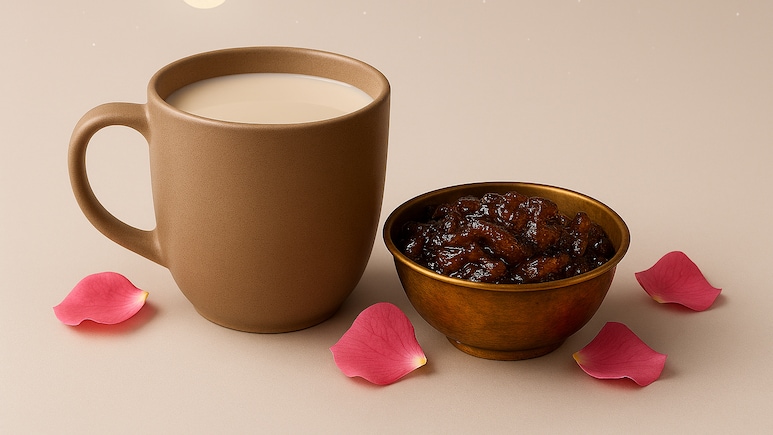
- Cold milk acts as a natural antacid by neutralizing stomach acid and soothing the oesophagus
- Low-fat milk is recommended to avoid increased acid production from high-fat dairy products
- Gulkand, made from rose petals, has anti-inflammatory and cooling properties that reduce acidity
After finishing a delicious, spicy dinner, but just as you're settling into bed, that familiar, sharp, burning sensation starts to rise from your chest to your throat. Nighttime acidity, or Gastro-oesophageal Reflux Disease (GERD) symptoms, can be more than just a nuisance; it can lead to chronic sleep deprivation and long-term oesophageal irritation. While many reach for an over-the-counter antacid, a growing number of research papers are revisiting a traditional Indian remedy: a glass of cold milk paired with a spoonful of Gulkand. But does this combination actually stand up to scientific scrutiny, or is it just a cooling placebo? Let's break down the mechanics of why this pairing might be the nighttime relief your gut has been looking for.
The Science Of Cold Milk: A Natural Buffer
The use of milk as an antacid isn't just folklore. Milk is naturally rich in calcium carbonate, which is essentially the primary ingredient in many commercial antacids. When you sip cold milk, it acts in two distinct ways:
- Neutralisation: The high calcium content helps inhibit the excessive output of hydrochloric acid in the stomach. It effectively absorbs the excess acid that causes the burning sensation.
- The Cooling Effect: Unlike warm milk, which can sometimes relax the lower oesophageal sphincter (LES) and potentially worsen reflux, cold milk provides immediate physical soothing to the irritated oesophageal lining. It acts as a temporary "buffer" or coating, preventing the acid from coming into direct contact with the sensitive tissues.
However, a word of caution: if you are choosing milk for acidity, low-fat or skimmed milk is your best bet. High-fat, full-cream milk can actually trigger more acid production because fats take longer to digest, potentially keeping the stomach working overtime while you're trying to sleep.
Also Read: Feeling The Heat? Gulkand, Or Rose Petal Jam, May Offer Surprising Cooling Benefits
Gulkand, or Rose Petal Jam: Reduces Internal Heat
In the realm of traditional wellness, gulkand, which is a sweet preserve made from sun-dried Damask rose petals and sugar, is considered a potent substance that pacifies internal heat.
From a physiological perspective, rose petals contain high levels of volatile oils and tannins, which have mild anti-inflammatory properties. When gulkand is infused into milk, it doesn't just add flavour; it acts as a natural coolant. Research into traditional cooling agents suggests that rose-based preparations can help regulate body temperature and reduce the "burning sensation" associated with hyperacidity.
Furthermore, gulkand is known to be a mild natural laxative. Often, nighttime acidity is worsened by sluggish digestion or mild constipation. By promoting a healthy bowel movement, gulkand prevents the "upward" pressure of gas and acid that leads to reflux at night.
Why The Nighttime Timing Works
Acidity is often worse at night due to gravity. When people lie flat, the barrier between the stomach and the oesophagus is compromised.
Pairing cold milk with gulkand about 30 minutes before bed can stabilise the pH levels of the stomach before you lie down. The natural glucose in gulkand also provides a small, gentle energy boost that helps the body focus on the intensive task of nighttime repair and detoxification without causing a heavy "insulin spike".
While this remedy is a powerhouse for occasional heartburn, it's not a "cure-all" for chronic issues. If you're experiencing acidity more than twice a week, it's a signal to look deeper into your gut health, perhaps checking for H. pylori infections or testing your vitamin D levels, which play a surprising role in gut integrity.
Also Read: Gond Katira: 7 Reasons Why The Natural Coolant Is Good For Your Gut
Side Effects Of Consuming Milk With Gulkand
- May trigger bloating or heaviness in people who have weak digestion or are sensitive to dairy
- Can worsen symptoms in lactose‑intolerant individuals, leading to gas, cramps, or loose stools
- High sugar content in gulkand may not suit people with diabetes or those watching their blood sugar levels.
- May increase mucus formation in some people, potentially aggravating cold, cough, or sinus issues
- Excess consumption can cause weight gain due to added calories from sugar and full‑fat milk.
- Not suitable during indigestion or diarrhoea, as both milk and gulkand can be heavy on the gut
- Possible heat imbalance if taken in excess, especially outside of summer or without proper portion control
- Allergic reactions may occur in rare cases, particularly in those sensitive to rose products or dairy.
Note: Moderation is key. What works as a soothing remedy for some may cause discomfort for others, depending on digestion, health conditions, and quantity consumed.
For a soothing nighttime ritual: take half a glass of cold, low-fat milk, stir in one teaspoon of authentic Gulkand, and sip it slowly. Your gut and your sleep cycle will thank you.
Disclaimer: This content, including advice, provides generic information only. It is in no way a substitute for a qualified medical opinion. Always consult a specialist or your own doctor for more information. NDTV does not claim responsibility for this information.
Track Latest News Live on NDTV.com and get news updates from India and around the world

