

)
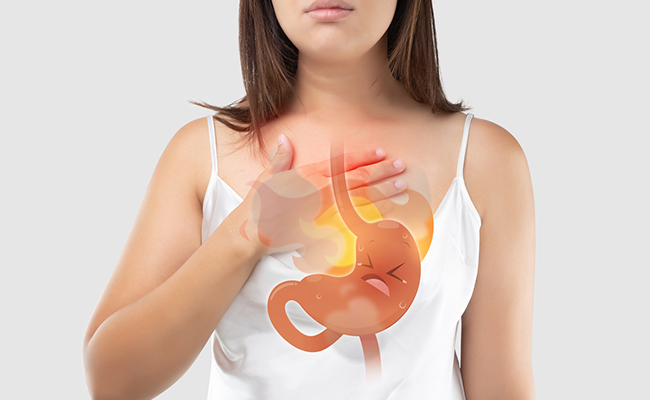
Acid reflux, also known as gastroesophageal reflux (GERD), happens when stomach acid flows back into the esophagus, irritating it. Symptoms typically include heartburn, regurgitation, and discomfort in the chest. When this occurs frequently (twice a week or more), it is classified as Gastroesophageal Reflux Disease (GERD). Acid reflux is a common condition which can cause a burning sensation. Pregnancy, obesity or certain foods can trigger acid reflux. Making some dietary changes can significantly help manage acid reflux symptoms. By avoiding trigger foods and incorporating beneficial items, individuals may experience reduced frequency and severity of symptoms. To prevent this common digestive issue, here's a list of the best and worst foods for acidity.
Best and worst foods for acidity
Worst foods and drinks for acid reflux:
1. Fried foods
Greasy and fried foods can relax the lower esophageal sphincter (LES), increasing the likelihood of reflux. They can also slow digestion, causing food to stay in the stomach longer, triggering a burning sensation.
2. Citrus fruits
While citrus fruits are highly nutritious and are excellent sources of vitamin C, they may worsen acidity symptoms. Fruits like oranges, lemons, and grapefruits are highly acidic and may irritate the esophagus, worsening heartburn.
3. Sugary sodas
Carbonated beverages can cause bloating and increased pressure on the LES. The sugar content can also lead to weight gain, which is a risk factor for reflux.
4. Tea and coffee
Caffeinated beverages can stimulate acid production and relax the LES, making it easier for acid to escape into the esophagus. Therefore, it is wise to avoid consuming them on an empty stomach.
5. Late-night snacks
Eating close to bedtime can lead to reflux during sleep. Lying down after eating makes it easier for stomach contents to flow back into the esophagus. It can also slow down the digestive system. A 10-minute walk post-meals can help ensure smooth digestion.
Best foods and drinks for acid reflux:
1. Plain water
Staying hydrated helps neutralise stomach acid and promote digestion. Water is essential for almost every bodily function and helps support overall health.
2. Fruits like apples, pears, and melons
These fruits are low in acid and high in fibre, which can help absorb stomach acid and reduce symptoms. They are also nutritionally rich, which helps support overall health.
3. Ginger tea
Ginger has natural anti-inflammatory properties and can help soothe the stomach. Ginger tea can often be a comforting drink for those experiencing acid reflux.
4. Fennel seeds
These seeds can aid in digestion and soothe the stomach. They may also help prevent bloating, which can relieve pressure on the LES.
5. Early dinners
Eating meals earlier in the evening allows time for digestion before bedtime, reducing the risk of reflux during sleep.
Making changes to your diet is often a primary step in managing acid reflux symptoms. This involves identifying and avoiding foods that can trigger reflux by relaxing the LES or irritating the esophagus. Follow the above-mentioned do's and don'ts to prevent this common issue.
Disclaimer: This content including advice provides generic information only. It is in no way a substitute for a qualified medical opinion. Always consult a specialist or your own doctor for more information. NDTV does not claim responsibility for this information.