

)
Digestive issues like gas, bloating and stomach discomfort are pretty common. They can sometimes show up after eating foods like dal, beans, lentils or even certain vegetables. While these foods are packed with fibre, protein and other nutrients, they can be harder for some people to digest, especially when they are not prepared properly.
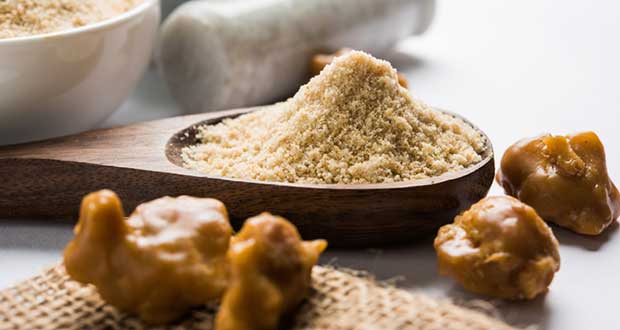
This is where traditional cooking methods can be interesting. Long before nutrition became a major talking point, Indian kitchens had several simple tricks to make everyday foods easier to eat and digest. One such ingredient is hing, or asafoetida.
Integrative Lifestyle expert Luke Coutinho has dropped a post on Instagram talking about this age-old cooking habit. He explains why hing has traditionally been added to foods that may cause gas or bloating.
According to the post, a small pinch of hing may help ease gas, bloating and abdominal discomfort. It has also traditionally been used with foods such as dal, beans and lentils.
The post also points to research suggesting that compounds in asafoetida may stimulate digestive enzyme activity, including pancreatic amylase and lipase. So, hing may do more than simply add its strong, distinct flavour to food.
And it is not just hing that has a place in traditional cooking. The post also highlights techniques such as soaking, sprouting, fermenting and slow cooking. These methods can change the structure of certain foods, reduce some compounds that may interfere with digestion and improve nutrient availability.
The same approach can be used while cooking foods such as broccoli, cabbage, kale, cauliflower, chickpeas and kidney beans.
The post also suggests a simple spice combination: cumin, hing, ginger and turmeric. These ingredients are commonly used in Indian kitchens and can add both flavour and a traditional digestive touch to meals.
But how much hing do you actually need? Not much. As the lifestyle coach points out, “Just a pinch.” Too much can easily overpower the dish.
What you eat matters, but how you prepare it can matter too. Traditional cooking has used simple techniques for generations to make certain foods more enjoyable and, potentially, easier to digest.
Disclaimer: This content including advice provides generic information only. It is in no way a substitute for a qualified medical opinion. Always consult a specialist or your own doctor for more information. NDTV does not claim responsibility for this information.