

)
The increasing exposure to digital screens has led to poor eye health in the majority of the population. From children as young as three years needing glasses to various young adults going for LASIK corrective surgeries, the state of eye health has become truly concerning. Being able to see 20/20 has become a rarity, and about a million people suffer from eye infections, many without realising it, due to mild or misinterpreted symptoms. There is even evidence that suggests continuously rubbing the eyes with unclean hands, increasing exposure to particulate matter, and excessive amounts of dandruff can also cause eye infections. The main challenge that delays eye infection care is underdiagnosis and delayed medical care due to people only seeking eye checkups when they have blurred vision or another serious eye problem. There are various types of eye infections that are common, like conjunctivitis, keratitis, styes, blepharitis, corneal ulcers, and uveitis. These infections can be caused by bacteria, viruses, fungi, or parasites, and the symptoms need to be recognised early for timely care and treatment.
7 Signs And Symptoms Of An Eye Infection
1. Redness Of The Eye
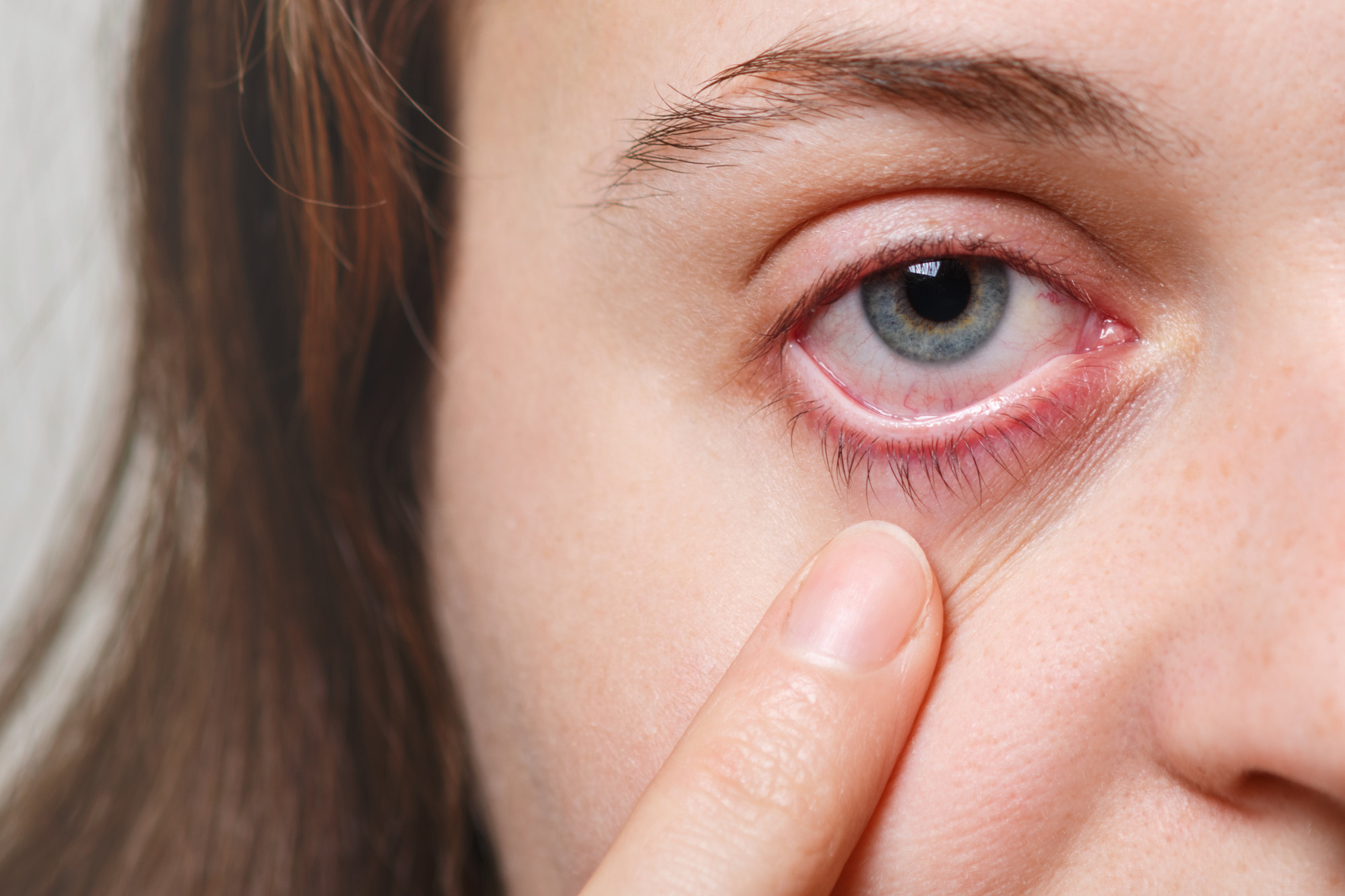
The sudden onset of red eyes can happen during an infection because tiny blood vessels in the clear membrane covering the eye (the conjunctiva) swells up. These vessels widen as part of the body's natural immune response and start the repair work. This redness, called 'conjunctival injection', happens when the immune system sends chemical signals to fight germs that may be present on the eye's surface, making the vessels more visible.
2. Swelling Of Eyelids
When the sensitive eyes are swollen, an eye infection could be the cause, as the body's immune system sends extra fluid to build defence cells in the infected area. When this fluid leaks into the eyelid tissues, it makes them puffy and tender; this is why eyes can get swollen up during an eye infection. According to the Indian Journal of Ophthalmology, swollen eyes should be taken as a sign to see an ophthalmologist for effective treatment to avoid worsening eye health outcomes.
3. Eye Discharge (Watery or Pus-Like)
There are several types of eye infections that cause a watery or pus-like discharge from the eyes. Pink eye, bacterial infections, and viral eye infections can cause a watery discharge from the eyelids. According to the Indian Journal of Ophthalmology, here are the three types of eye infections and their corresponding discharges which you need to be aware of:
- With conjunctivitis, or pink eye, they can experience a thin layer covering the eye becoming inflamed. The eye then produces a watery or sticky discharge to flush out germs and heal the infection.
- Bacterial eye infections cause a thicker, yellow or green discharge due to the dead bacteria and immune cells (neutrophils) that get mixed together, creating a pus-like fluid.
- Viral eye infections usually cause watery discharge instead of thick pus as the body increases tear production to wash away viral particles.
4. Itching Or Irritation
Itchy eyes are an annoying symptom of an eye infection that can lead to further worsening eye health. The constant experience of itchy eyes or irritation can be uncomfortable and needs an ophthalmologist's medical advice for relief. The presence of an eye infection can irritate the conjunctiva and eyelids, causing mast cells to release histamine, which leads to itching and burning sensations.
Read More: Air Pollution: How It Can Damage Your Eyes, Tips To Stay Safe This Winter
5. Eye Pain Or Discomfort
A sharp shooting pain or discomfort in the eyes can be a byproduct of a possible eye infection. The sensitive eyelids get inflamed when they are exposed to bacteria, viruses or germs, which causes them to release a natural concentration of repairing immune cells to start repair work. Persistent eye pain or discomfort is a clear sign to seek medical intervention as soon as possible.
6. Blurred Vision
Experiencing blurry vision is a sign of a serious eye infection, as constant underdiagnosis and delayed treatment can worsen vision. An ophthalmologist can advise what the possible cause is of the blurred vision, as certain genetic eye-weakening factors can also negatively impact vision. Studies indicate that infants with genetic eye issues may need corrective lenses and special glasses to safeguard their vision.
7. Sensitivity To Light (Photophobia)
Eye infections can cause sensitivity to light, or photophobia, because inflammation happens when there is a possible eye infection. It primarily affects the cornea, iris, or uveal tract, making the eye's light-regulating structures more sensitive. The body's natural immune response triggers swelling and irritation of nerve endings, so even normal light feels painful or uncomfortable.
Read More: Is Poor Air Quality Triggering Early Vision Problems In Urban Children? Doctors Explain
Types of Eye Infections And Their Symptoms
- Conjunctivitis (Pink Eye): redness, discharge, itching.
- Keratitis: pain, blurred vision, sensitivity to light.
- Stye: swollen eyelid, tenderness, pus.
- Blepharitis: crusty eyelids, irritation.
When To Seek Medical Help
If an individual is experiencing multiple warning signs like severe pain, vision loss, and persistent swelling, seeking medical intervention is essential.
Only an ophthalmologist can provide a professional diagnosis of an eye infection and suggest a treatment for the possible easing of the symptoms.
Prevention And Eye Care Tips
The key to maintaining long-term eye health is to practise proper eye hygiene:
- Washing your hands before touching your eyes can help avoid exposure to germs that may be present on the surface.
- As a general rule, avoid touching your eyes frequently to avoid getting an eye infection.
- According to studies, frequent cosmetic lens use leads to a weakened iris, the inner circle of the eye.
- If you wear corrective contact lenses, then practise proper storage and hygiene practices to avoid getting an eye infection.
- The most important aspect for maintaining eye health is to eat a nutritious and well-balanced diet.
By recognising symptoms of an eye infection early, you can avoid dealing with discomfort and the rising medical costs of a serious eye infection treatment. Get a medical professional's opinion after thorough eye-testing for persistent or severe cases.
Disclaimer: This content, including advice, provides generic information only. It is in no way a substitute for a qualified medical opinion. Always consult a specialist or your own doctor for more information. NDTV does not claim responsibility for this information.