

)
Vitamin E is an essential antioxidant that is absorbed at a varying level in the body. It supports skin health and strengthens the immune system. It also forms the backbone of effective digestion of healthy fats in the body. Seeds, nuts, seed oils, peanut butter, vitamin E-fortified foods, and dietary supplements are some ways to boost vitamin E levels. But some people may have an inherent vitamin E deficiency due to underlying issues that cause difficulty digesting and processing dietary fat in the body. In some cases genetic factors may also affect vitamin E absorption in the body.
A deficiency in vitamin E can increase the risk of neurological disorders, heart issues, and age-related ailments.
To meet this essential need, certain health hacks can help, as they can ensure that your desired vitamin E levels are met.
7 Health Hacks To Ensure Your Body Has Enough Vitamin E
1. Snack on Almonds And Sunflower Seeds
According to Recent Progress in Nutrition, consuming a quarter cup of sunflower seeds provides ninety percent of the recommended daily allowance, making it a valuable source of vitamin E. And this high dose of antioxidants can boost heart health. While the Journal of Clinical and Diagnostic Research suggests that almonds are a rich source of vitamin E and other beneficial nutrients, which contribute to their antioxidant properties. Both of these food sources can be easily added to a daily diet through:
- Sprinkle a couple of sunflower seeds into the morning breakfast bowl
- Consume a handful of soaked almonds daily for a rich vitamin E boost
2. Cook With Vitamin-E Oils
The simple addition of cooking food with vitamin E-rich oils like sunflower or wheat germ oil can increase the amount of vitamin E. These vegetable oils are a natural source of vitamin E, as per international journals and studies. But the right temperature, smoking point, and how much oil is required for which food source matter in its vitamin E distribution. Here are some tips to keep the nutrition intact while cooking with vitamin E-rich oils:
- Vitamin E is fat-soluble, so absorption improves when consumed with healthy fats. Sunflower cooking oil serves as a medium for heat transfer, an energy source, and a solvent for fat-soluble vitamins like A, D, E, and K.
- According to the European Journal of Lipid Science and Technology, avoid pan-frying in sunflower oil to maintain the vitamin E levels in the prepared food.
- Avoid exposure to oxygen and light by keeping the oil in an airtight bottle or container.
- Use blended oil with high stability which keeps vitamin E intact for longer durations.
- Like sunflower oil, wheatgerm oil also needs regulation of temperature and how much heat is being used during food preparation. To keep the level of vitamin E intact, the desired temperature mentioned on the oil bottle or packet is necessary.
Read More: 8 Common Health Problems That Can Be Solved By Eating A Single Banana
3. Consume Leafy Greens
Consumption of a balanced and nutritious diet that includes spinach, kale, and broccoli can supply the body with vitamin E. However, the mere consumption of these greens will not boost vitamin E levels, but people need to consume certain proteins for the proper absorption of vitamin E. As with other dietary sources, the digestive system conditions also influence how the body can absorb vitamin E from these food sources. You can include these greens in your diet by:
- Blending it into a green smoothie in the desired quantity
- Prepare regional delicacies when they are in season
- Prepare a fresh green salad by removing dirt and grit from its leaves
4. Include Fortified Foods
Aside from the naturally occurring food sources, people can get their vitamin E from breakfast cereals and plant-based milks. When people read the label of these foods, the ingredient list indicates that they are fortified with vitamin E. This means that additional amounts of vitamin E are added to their preparation before packaging during processing. But their absorption depends on the individual's internal health condition. Here are some vitamin E-fortified foods:
- Edible oils like sunflower, soybean, and blended vegetable oil contain vitamin E.
- Milk products like packaged milk brands whose brand labels will mention that they contain vitamin E, along with vitamins A and D.
- Cereals normally consumed during breakfast may have vitamin E added in for additional health benefits.

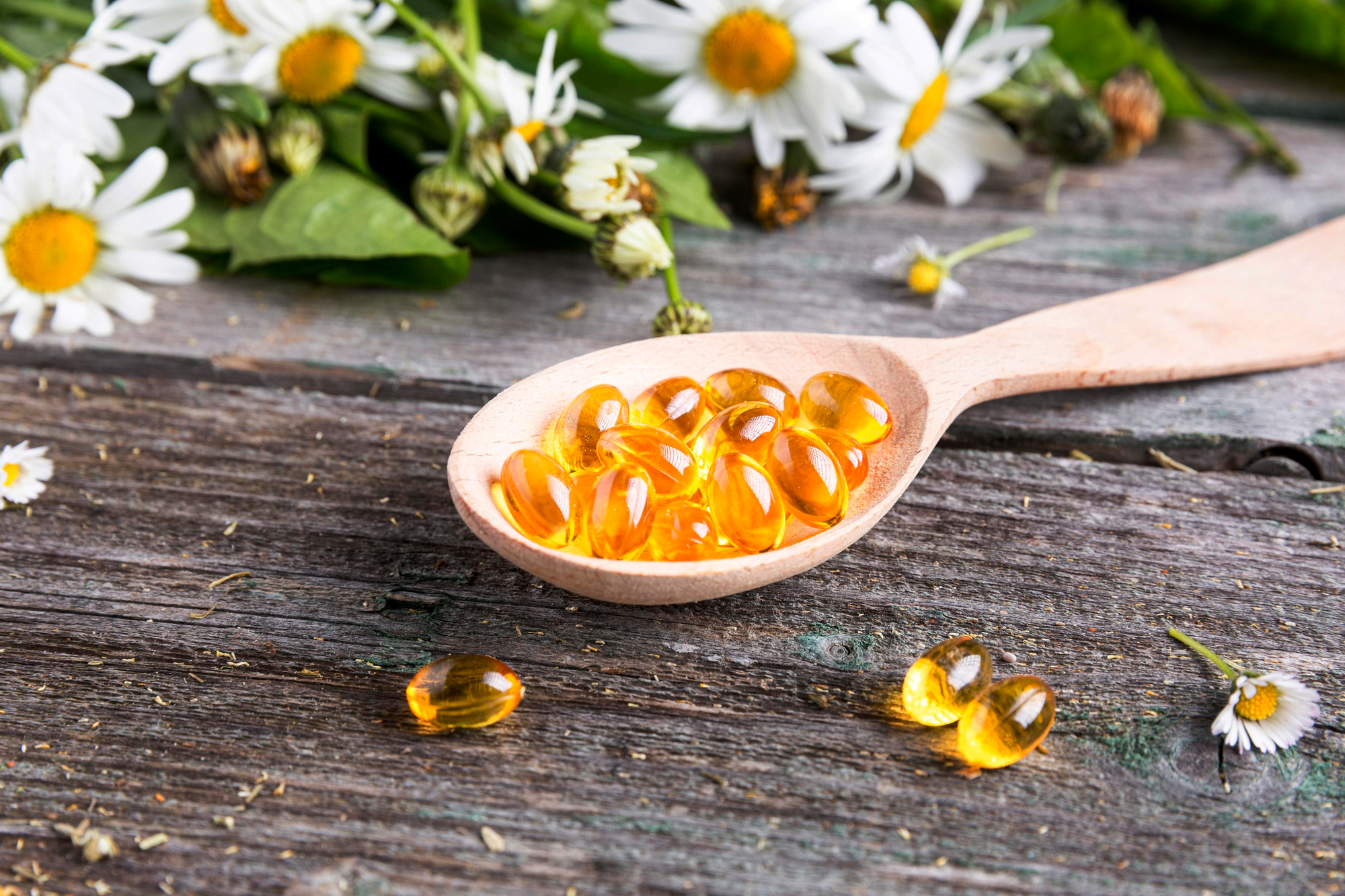
Vitamin E supplement
Photo Credit: Pexels
5. Balance Supplement Intake
When dietary interventions aren't enough, and if blood testing indicates a vitamin E deficiency, then supplements can help. But only when their intake and dose have been determined by a medical professional. Every vitamin E supplement has a different formulation and needs to be analysed before consuming it over the counter. As everybody is different with a different medical history and lifestyle, the demand for the type of supplement needs to be tailored. Supplements are regulated as a food source, which means that their composition needs to be carefully selected by a medical professional to effectively supplement vitamin E in the body.
Read More: Vitamin E Capsules For Hair Growth: Are These Effective? Doctor Answers
6. Improve Absorption With Healthy Fats
Vitamin E is a fat-soluble vitamin, which means it only gets absorbed in the body when it is paired with a healthy fat source. As every individual has a different body type, genes, lifestyle, and dietary habits, vitamin E absorption also varies. To get the maximum amount of vitamin E in the human body, people can pair it with:
- Natural high fats containing oils, such as avocado or olive oil, can increase vitamin E absorption in the body.
- Certain blended vegetable oils contain an adequate amount of vitamin E and can remain stable for a long duration when stored properly.
7. Limit Processed Foods
Various studies indicate that diets that rely heavily on processed foods have a reduced amount of nutrient intake. Due to the highly processed nature of these foods, essential nutrients that may remain intact are stripped during the process that involves prolonging their shelf life. This is why people are encouraged to consume only a small portion of processed foods and are encouraged to have a whole-foods based diet. Vitamin E can become destabilised when it is a part of packaged foods.
People need to get their recommended dietary allowance for vitamin E as set by the National Institute of Nutrition. For adults, it is 7.5 to 10 mg per day of vitamin E, depending on age and gender, with higher needs during pregnancy and lactation.
By applying these health hacks and staying aware of your vitamin E intake, you can work toward maintaining a healthy balance each day.
Disclaimer: This content, including advice, provides generic information only. It is in no way a substitute for a qualified medical opinion. Always consult a specialist or your own doctor for more information. NDTV does not claim responsibility for this information.