

)
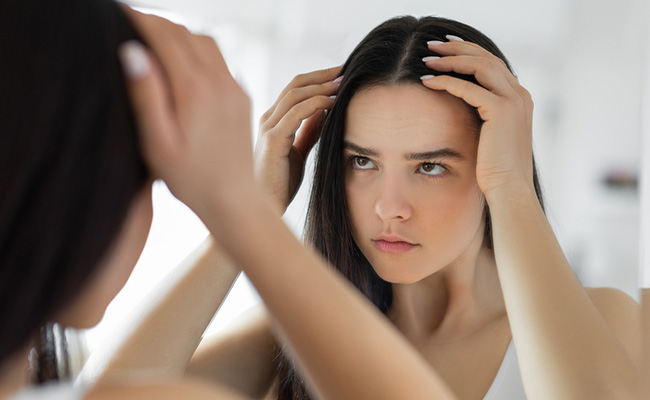
A dry scalp during winter is a common issue that can bring white flakes shedding left and right from your head. Although a dry scalp can happen at any time during the year, it is especially common during cold temperatures. The cold winds, low humidity, and hot showers can strip the scalp of moisture, and this can lead to winter scalp dryness. There are several factors that influence how dry your scalp becomes, such as ignoring the scalp under your hair, over-washing with harsh shampoos, and constant friction from wearing woollen caps. To remedy winter scalp dryness and control the winter itch, certain natural remedies can have an edge over chemical products.
6 Natural Health Hacks To Tackle Winter Scalp Dryness
1. Maintain Hydration
A dry winter scalp needs proper internal hydration and external hydration for striking a balance. Internal hydration can be provided by drinking enough water daily, and external hydration through overnight hair oiling before washing using skin-friendly shampoos and conditioners. This has also been communicated in the International Journal of Trichology (2025), which suggests that the skin on the scalp is sensitive and the hydration status varies in people depending on their daily water intake and exposure to the winter chill. And through proper hydration, you can restore the nutrient delivery to hair follicles that house the hair strands. Here is how you can practically ensure hydration to tackle a dry winter scalp:
- Drink lukewarm water and herbal teas periodically to ensure an appropriate water level in your body.
- Include fruits on your plate that are rich in vitamin C, like oranges and guavas, to boost hair quality.
- Use a humidifier if you are constantly exposed to indoor heating during harsh winters.
2. Hair Massage Using Natural Oils
The dry winter scalp needs a little bit of extra care in the form of hair oiling to restore the scalp's pH. To effectively restore it, certain Ayurvedic oils, as documented in the International Journal of Ayurvedic Pharmacy and Chemistry, point to weekly oil massages to increase blood circulation and restore scalp moisture. Other hair oils that can be used for daily or weekly massage during winter to prevent dryness are coconut oil, castor oil, hibiscus, fenugreek, amla, or bhringraj. An Ayurvedic hair oil massage makes sure that the hair oil gets properly absorbed into the scalp that needs nourishment. Additionally, AYUSHDHARA Journal of Research in AYUSH and Allied Systems mentions that regular hair oil massage helps manage dandruff, improves scalp hydration, and reduces winter dryness.
Read More: Easy Hacks For Hair Washing Without Getting A Cold During Winters
3. Nutrition For Scalp Health
Nutrition plays a central role in scalp health; if you are deficient in any nutrients, those will reflect on the quality of your hair. When winter scalp dryness hits, it manifests as extreme dryness, itchiness, and hair loss. According to Nutrition and Health, protein, iron, zinc, vitamin D, and omega-3 fatty acids are essential for scalp and hair follicle health. Through consumption of a balanced diet, you can nourish your scalp from the inside. Here is how:
- Increasing intake of Omega-3-rich foods, such as consuming a variety of nuts and seeds (almonds, walnuts, flaxseeds, pumpkin seeds, and many more such foods).
- Increase intake of iron, zinc, and vitamin D sources that are naturally high in lentils, legumes, jaggery, enough daily sunlight, and oily fish.
4. Lifestyle Adjustments
The specific lifestyle choices determine how your scalp becomes dry, as certain missteps can lead to loss of moisture from it. According to the Frontiers in Public Health (2025), poor lifestyle habits such as stress, smoking, unhealthy diet, and irregular sleep can disrupt scalp health by altering the gut microbiome, increasing inflammation, and worsening hair conditions like alopecia. Here are some practical ways to control dry winter scalp:
- Avoid very hot showers, as they strip the moisture from the scalp, leading to extreme dryness.
- Use mild herbal shampoos that contain hair-nourishing ingredients such as amla, bhringraj, and neem.
- Cover the head with cotton scarves in cold winds; this helps protect the scalp from extreme dryness.
5. Herbal Hair Masks
The act of applying a weekly hair mask to your hair can effectively remedy a dry winter scalp. According to the International Journal of Research and Development, Indian botanical ingredients like fenugreek, hibiscus, amla, and neem are effective for scalp hydration and dandruff control. Here is how you can combine these ingredients to make easy hair masks:
- Fenugreek paste and curd can nourish the scalp and increase follicle strength.
- Aloe vera gel is tested for hair use when combined with ground flaxseeds that supply your scalp with deep nourishment and make hair softer.
Read More: Ashwagandha Benefits For Hair: How The Ayurvedic Herb Helps Hair Growth
6. Traditional Indian Practices
The traditional Indian practices of maintaining hair can help ease the issue of winter scalp dryness. These methods include:
- Performing a weekly champi or oil massage that relaxes the brain and increases hair follicle strength when practised repeatedly. This has been documented in the Journal of Ayurveda and Intergrative Medicine (2025) which validates how performing weekly oil massages can aid in reducing dryness on the scalp.
- Doing a neem rinse can activate the strong antimicrobial properties in it that are effective for dandruff prevention.
By maintaining proper hydration, doing a hair massage with Ayurvedic oils, ensuring a nutritional diet, making lifestyle changes, and giving your hair extra care through using a weekly hair mask, you can ensure that you don't get a dry winter scalp. These natural remedies are sustainable, natural routines for scalp health that can be made a part of your daily haircare routine anytime.
Disclaimer: This content, including advice, provides generic information only. It is in no way a substitute for a qualified medical opinion. Always consult a specialist or your own doctor for more information. NDTV does not claim responsibility for this information.