

)
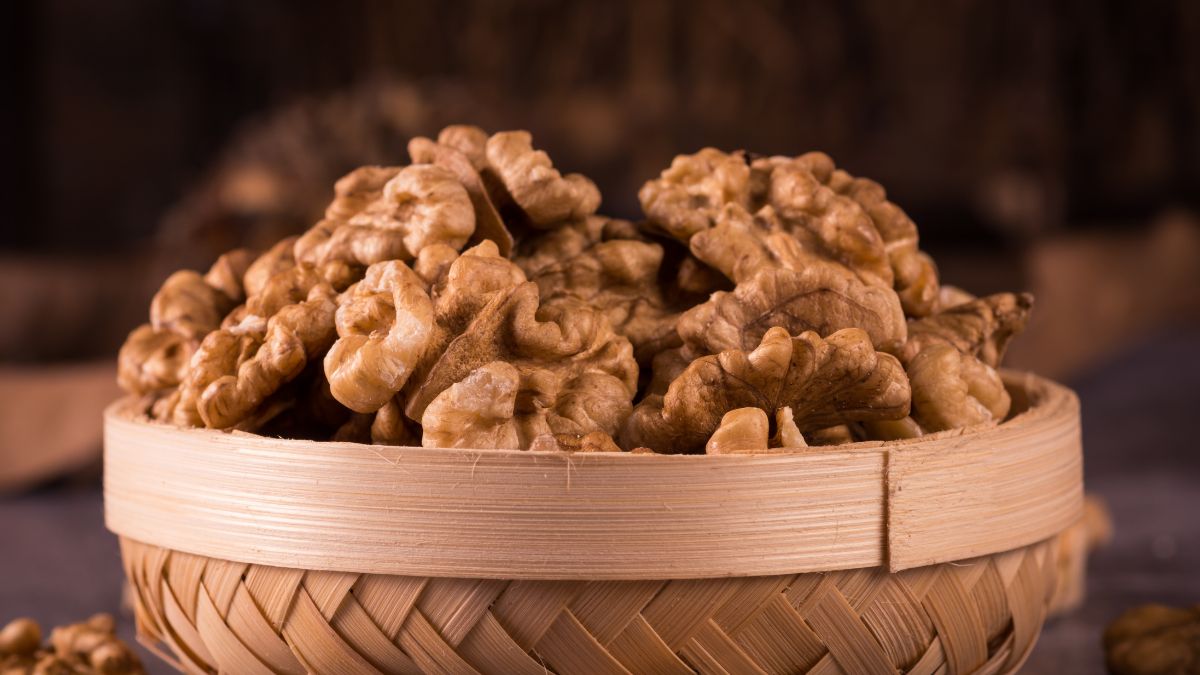
Walnuts, also known as 'akhrot' in India, are considered a superfood. The hard nut has a nutritious kernel inside it, which is eaten after cracking the nut after it has fully ripened. Walnut is a seed from the juglans tree, which has multiple varieties with a distinct taste and nutty flavour. In India, the walnut varieties differ based on their cultivation state; Himachal Pradesh, Kashmir, Uttarakhand, and Arunachal Pradesh have their own walnut varieties. Each walnut differs based on its taste, aroma, tan colour on its exterior shell and size. The inside of the hard nut is known as the kernel, which is normally eaten either as is or soaked in water to make it easily digestible. Walnuts have been called a superfood due to their nutritional profile and various health benefits they provide.
6 Health Benefits Of Walnuts Or Akhrot
1. Brain Health
The wrinkly light brown nut contains a composition of nutrients that boost memory and brain function. The brain is the most important organ that controls everything in the human body. Through consumption of a handful of walnuts daily, soaked or as is, people can boost their overall brain health. There are multiple ways that brain health can be boosted by consuming walnuts; here are some of the ways it can be helpful:
- For Older Adults: Studies document that walnuts are a rich protein source that is helpful for older adults who struggle with nutrient absorption.
- Advance Brain Function: As multiple nutrition studies indicate, walnuts can nourish various systems of the body and require little to no modification from their actual form to provide it.
2. Heart Health
Heart health issues remain a major health concern in the Indian population. The latest studies and analyses on heart health risk factors show there are major markers like cholesterol and blood pressure, which increase the incidence of developing heart disease. Walnuts can help lower these markers when consumed in moderation as part of a balanced and nutritious diet. Here is exactly how walnuts lower heart risk factors:
- Lowering Cholesterol: When people's diets were supplemented with walnuts, it led to a significant decrease in total cholesterol and low-density lipoprotein (LDL) cholesterol.
- Blood Pressure Regulation: People who suffer from low blood pressure can benefit from a moderate amount of walnut consumption. As multiple studies have recorded an actual decrease in high blood pressure when people have followed a diet with walnuts.
3. Weight Management
Though munching on a handful of walnuts for energy is common, this nut also promotes fullness. Not only is this helpful for effective weight management with people at risk of obesity-related diseases, but it also helps keep people full for longer hours. Here is how it promotes fullness and improves metabolism:
- Fullness or Satiety: The nut is energy-rich, and clinical studies suggest that consuming walnuts as a replacement food does not lead to a net gain in body weight.
- Improves Metabolism: The fibre content in walnuts contributes to a feeling of fullness and can aid in weight control. This property helps in improving how the body breaks down food into energy in the body.
Read More: The Thin Skin Of Walnuts Contains These Essential Nutrients, Reveals Gut Doctor
4. Diabetes Support
Walnuts are considered a superfood due to their blood sugar regulation property. As blood sugar levels fluctuate, so do overall energy and concentration levels. When people need to focus on certain important tasks to get through their day, eating a couple of walnuts can be beneficial. There are ways through which walnuts help in providing support to people with diabetes; they are as follows:
- Nutrient-Dense Support: The rich nutritional profile and studies have recorded positive effects of walnut consumption on how the body breaks down food into energy.
- Fullness: After eating walnuts, the system sends an indication of fullness to the brain, and this helps control appetite. It also helps reduce binge eating and unhealthy snacking habits for energy. This is crucial for diabetes support, as weight management is a primary concern that can't be left uncontrolled.
5. Gut Health
Walnuts contain plenty of prebiotic effects on the digestive system, which can help people struggling with gut health. Gut health maintenance is key to ensuring proper energy levels throughout the day and helps maintain stable energy levels. Here is how walnuts can nourish the gut with their prebiotic content:
- Healthy Balance: The unique nutritional profile of walnuts balances the gut bacteria with its prebiotic capabilities. This helps the body break down food effectively when consumed after delayed intervals.
- Good Bacteria: Healthy gut bacteria like firmicutes, lactobacillus, ruminococcaceae, clostridium, lachnospira, and dialister are introduced when people eat quality walnuts, as on their lifestyle and daily activity levels.
6. Healthy Ageing
With multiple factors elevating inflammation levels in the body, walnuts offer a source of relief. Their natural body-nourishing properties can help lower overall inflammation in the body. The concept of healthy ageing gets easier to implement practically when dietary interventions like walnuts are introduced.
- Plant Compounds: The presence of a type of fat that your body needs to be healthy is known as polyunsaturated fatty acids (PUFAs). This, coupled with antioxidants and polyphenols, adds to the lowering of overall inflammation in the body.
- Lowering Inflammation: Healthy ageing requires controlled inflammation in the body, as when it gets out of control, it can give rise to serious age-related diseases. Both short-term and long-term diseases in the body mainly occur due to controlled inflammation.
Read More: Healthy Anti-Ageing Routine: 10 Diet And Lifestyle Choices That Might Help
Nutritional Value Of Walnuts Or Akhrot
Walnuts are a rich source of the most important fatty acid type needed for overall immunity. These omega-3 fatty acids are responsible for boosting overall bodily functions and nourishing the body.
- These fatty acids also lower overall mortality and boost heart health.
- Plenty of antioxidants in walnuts help lower oxidative stress that causes cellular ageing.
- A high portion of fibre and protein present in walnuts helps aid in digestion and enhance brain function.
- Walnuts contain key vitamins and minerals like copper, magnesium, phosphorus, vitamin B6, folic acid, vitamin B and many more needed nutrients.
How To Include Walnuts In Your Diet
The body requires a controlled amount of walnut consumption to reap the full health benefits of this superfood. Here are some ways to include walnuts in your diet:
- Daily serving size (handful), as the body can absorb a limited amount.
- The best time to eat depends on the daily lifestyle of the individual.
- Adding it to smoothies, salads, and traditional Indian sweets can increase their nutritional value to a certain extent.
Precautions And Side Effects Of Walnuts
Certain people need to follow precautions and be aware of the side effects before starting or regulating their walnut intake:
- Allergies, people with nut allergies should be careful and consult an allergist for safe consumption.
- Overconsumption risks can range from weight gain to certain digestive issues.
Note: Consult a dietician for the recommended dose of walnuts as a timeless superfood.
Walnuts have wide-ranging health benefits that require a tailored approach. Through moderate consumption, you can reap the brain health, heart health, weight management, gut health regulation and healthy ageing.
Disclaimer: This content, including advice, provides generic information only. It is in no way a substitute for a qualified medical opinion. Always consult a specialist or your own doctor for more information. NDTV does not claim responsibility for this information.