

)
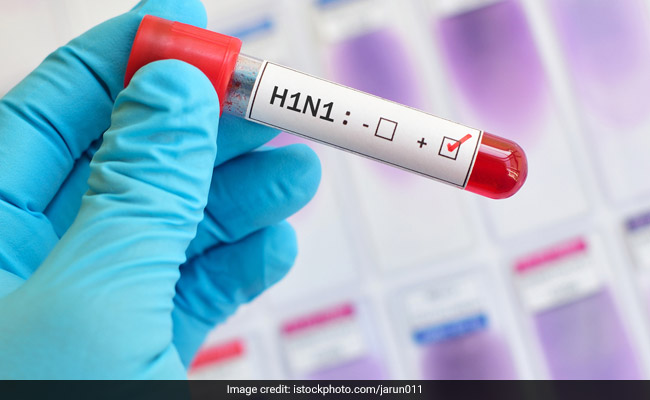
A 41-year-old man from rural Karwar in Karnataka's Uttara Kannada district has died of swine flu (H1N1) at a private hospital in Mangaluru, raising fresh concerns about seasonal influenza infections in the state. According to reports, family members are also being monitored and treated on suspicion of possible infection. The death serves as a reminder that influenza is not always a mild illness and can occasionally lead to severe complications, hospitalisation, and even death, particularly among vulnerable individuals.
Swine flu, caused by the Influenza A (H1N1) virus, first gained worldwide attention during the 2009 pandemic. Although it is now considered a seasonal influenza strain that circulates alongside other flu viruses, health experts continue to warn that it can pose a significant threat to older adults, pregnant women, young children, people with chronic diseases, and those with weakened immune systems. Early diagnosis, antiviral treatment, vaccination, and preventive measures remain the most effective ways to reduce severe illness and fatalities.
Karnataka Reports Fresh Swine Flu Fatality
The latest fatality was reported from Mangaluru, where the patient succumbed to H1N1 infection after receiving treatment at a private hospital. Health authorities have reportedly initiated surveillance among close family members and contacts to identify potential infections and limit transmission.
While isolated cases of swine flu occur every year, public health experts note that influenza activity often increases during seasonal changes, making awareness and preventive measures crucial.
What Is Swine Flu?
Swine flu is a respiratory illness caused by the Influenza A (H1N1) virus. The virus spreads primarily through respiratory droplets released when an infected person coughs, sneezes, talks, or breathes in close proximity to others. Like seasonal influenza, it can spread rapidly in crowded settings such as schools, offices, public transport systems, and healthcare facilities.
Most people recover within a week, but some develop severe complications affecting the lungs and other organs.
Common Symptoms To Watch For
According to the National Center for Biotechnology Information (NCBI) and the World Health Organization (WHO), common symptoms of H1N1 influenza include:
- Fever and chills
- Persistent cough
- Sore throat
- Runny or blocked nose
- Headache
- Muscle aches and body pain
- Fatigue and weakness
- Loss of appetite
- Occasionally nausea, vomiting, or diarrhea
In severe cases, symptoms may progress to breathing difficulties, chest pain, confusion, or low oxygen levels, requiring urgent medical attention.
Also Read: 54% Households In Delhi-NCR Report Flu Symptoms; Here's How To Stay Safe
Who Is Most At Risk?
Although anyone can contract swine flu, certain groups face a higher risk of severe illness and complications. These include:
- Adults aged 65 years and above
- Children younger than five years
- Pregnant women
- People with asthma or chronic lung disease
- Individuals with diabetes, heart disease, kidney disease, or liver disease
- People with weakened immune systems, including cancer patients and transplant recipients
- Individuals with obesity and other metabolic disorders
Influenza can worsen existing medical conditions and increase the likelihood of pneumonia, sepsis, and respiratory failure.
Why Early Treatment Matters
Medical experts emphasise that antiviral medications are most effective when started within the first 48 to 72 hours after symptom onset. Early treatment has been shown to reduce disease severity, hospitalisation, and mortality risk among high-risk patients. Diagnostic confirmation is typically performed using RT-PCR testing of respiratory samples.
How To Protect Yourself
Public health agencies recommend several measures to reduce the risk of infection:
- Get an annual influenza vaccine if eligible.
- Wash hands frequently with soap and water.
- Cover coughs and sneezes with a tissue or elbow.
- Avoid close contact with people who are unwell.
- Stay home when experiencing flu-like symptoms.
- Seek medical care promptly if symptoms worsen or if you belong to a high-risk group.
These preventive steps remain the cornerstone of influenza control worldwide.
The death of a 41-year-old man from swine flu in Karnataka highlights that H1N1 influenza remains a significant public health concern despite being a seasonal illness. While most infections are mild, severe disease can occur, particularly among vulnerable populations. Recognising symptoms early, seeking timely treatment, and following preventive measures can substantially reduce the risk of complications and save lives.
Disclaimer: This content including advice provides generic information only. It is in no way a substitute for a qualified medical opinion. Always consult a specialist or your own doctor for more information. NDTV does not claim responsibility for this information.