





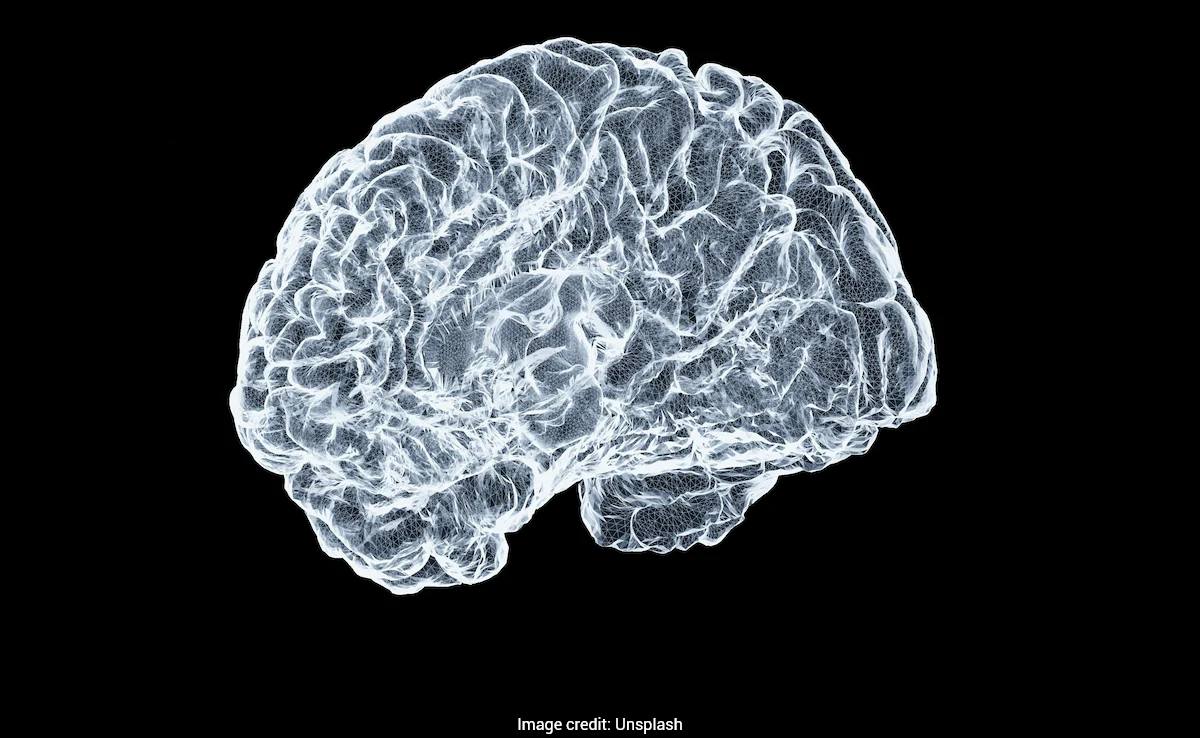
A new study found that children (10-13) who spend more time on social media tend to have a thinner cerebral cortex in areas linked to attention, self-control and vision, PsyPost reported. Researchers analysed data from 7,614 children in the US from a larger project called the Adolescent Brain Cognitive Development Study, all aged 10-13 at the time of scanning. They looked at average daily social media hours.
"I first became interested in social media research through caring for adolescents with eating disorders, many of whom described spending hours on social media viewing unrealistic body ideals and weight-focused content," study author Jason Nagata, an associate professor of paediatrics at the University of California, San Francisco, said as quoted in the report.
"These clinical experiences led me to study the broader mental health effects of social media use and to help inform guidance for families. Brain development is a critical area that remains less understood, which motivated this line of research."
Also read | This Self-Healing Material Could Make Planes, Cars Last For Centuries
After data analysis, the researchers found that the higher daily social media use was significantly associated with lower total cortical thickness and total cortical volume. And both social media use and social media addiction scores correlated with thinner cortex across the prefrontal cortices, temporal lobe, occipital lobe and parietal lobe.
-

-
 "Miscommunication By Eiffel Tower": BAPS Monk On 'Women Sidelined' Claim
 -
 Yoga, Millets To Vaccines, Jaishankar On How India Is Building Stronger Ties
 -
 NDTV World Summit Day 2: Navigating A World In Transition
 -
 "US Protecting Its Interest": S Jaishankar On Trump's Oil Deal With Russia
 -
 S Jaishankar's 'Indira' Reminder After Rahul Gandhi's Marco Rubio Jibe
 -
 Best Of NDTV World Summit 2026 | Defining Conversations, Big Ideas
 -
 PM Modi Says 'Parasite' Congress Hurts 'Honest' Dissent Movements
 -
 "World That Relied On India's Brainpower Now Trusts Its Mindpower": PM Modi
 -
 Non-Oil Trade With India Went Up 50% In 3 Years: UAE Minister At NDTV Summit
 -
 "Some Dreaming Of Disorder": PM's "Failed Product Of Congress" Jibe At Rahul Gandhi
These regions overlap with the default mode network, prefrontal executive control networks and visual processing and attention networks - circuits that handle self-reflection, decision-making, focus, and processing what you see.
Notably, there was also a limitation as the findings weren't limited to broad atlas regions. Social media addiction itself wasn't linked to overall brain morphology differences in region-of-interest analysis, but the behavioural hours-per-day measure was. The study also didn't clarify what kind of content children were consuming.
Also read | Jobseekers In China Use Dating Apps for Work And Recruitment Sites For Dating. Here's Why
"Greater social media use is associated with differences in brain structure," Nagata said as quoted. "Social media use in young adolescents was linked to lower cortical thickness across the prefrontal cortices, temporal lobe, occipital lobe, and parietal lobe."
"Regions identified were in key nodes of the default mode network, prefrontal executive control networks, and visual processing and attention networks. However, we cannot conclude if these differences are a result of social media use or a predisposing factor."
For better accuracy, the researchers are planning to track these participants over several years to observe how their brains change over time.
Track Latest News Live on NDTV.com and get news updates from India and around the world

