





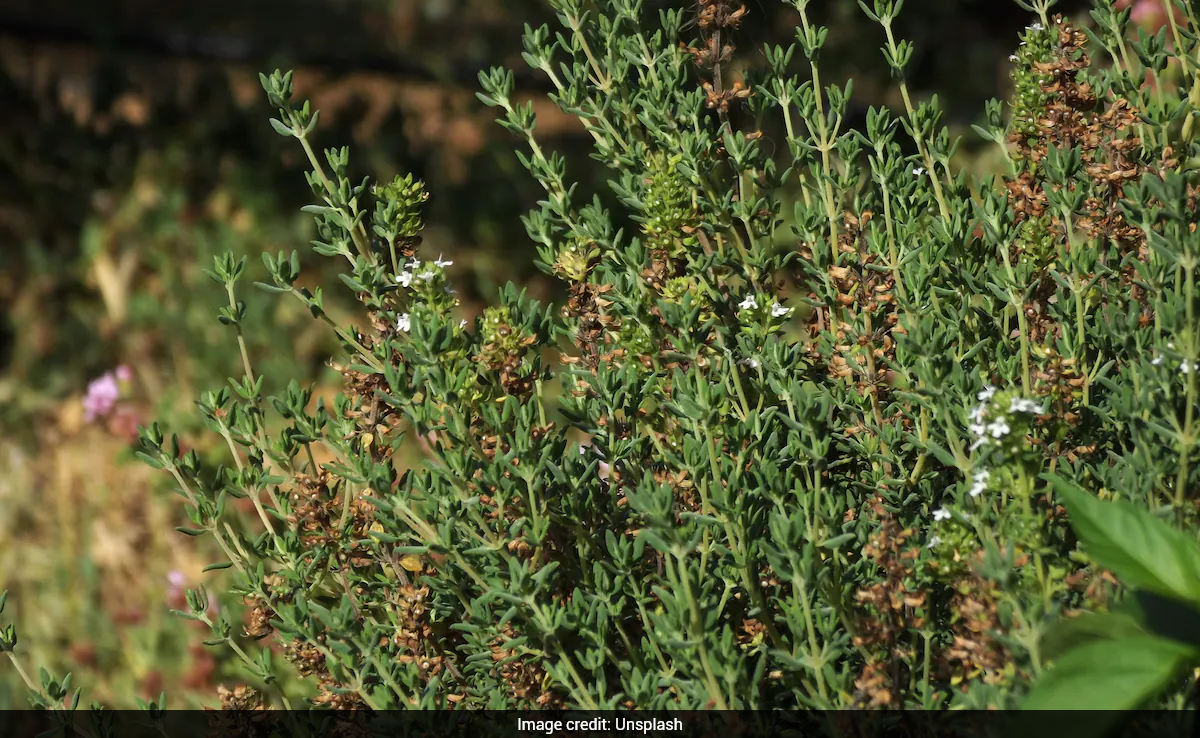
A new study based on a 1,900-year-old Roman glass vial found that doctors in ancient Rome used a mixture containing human faeces to treat ailments like infected wounds and eye infections. The ingredient was believed to have healing properties. According to the study published on January 19 in the Journal of Archaeological Science: Reports, the ancient physicians would mix the concoction with strong-smelling herbs like thyme, garlic, and wine to mask the foul smell.
"While working in the storage rooms of the Bergama Museum, I noticed that some glass vessels contained residues," Cenker Atila, who is an archaeologist at Sivas Cumhuriyet University in Turkey, told Live Science in an email. "Residues were found in a total of seven different vessels, but only one yielded conclusive results."
Also read | UK Man Using Elon Musk's Neuralink Brain Chip Says It "Feels Magical"
The study is based on an analysis of an old unguentarium, which is a small, narrow-necked ceramic or glass bottle, found in the ancient city of Pergamon in western Turkey. As per the report, the glass vial, which had been sealed with clay, was used to hold perfume, oil or medicine.
Atila revealed that when they "opened the unguentarium, there was no bad smell"; however, "the residue inside it was overlooked" during its stay in storage. "I noticed it and immediately initiated the analysis process," Atila said.
With the help of gas chromatography-mass spectrometry (GC-MS) process, the researchers identified the organic compounds - coprostanol and 24-ethylcoprostanol - in what they found in the glass unguentarium.
"The consistent identification of stanols - validated faecal biomarkers - strongly suggests that the Roman unguentarium originally contained faecal material," the researchers said.
Also read | How Classmates Helped 8-Year-Old Chinese Boy Wake Up After 55-Day Coma
According to Atila, they identified human faeces "mixed with thyme" in the collected samples. "Because we are well-acquainted with ancient textual sources, we immediately recognized this as a medicinal preparation used by the famous Roman physician Galen," Atila
"This study provides the first direct chemical evidence for the medicinal use of fecal matter in Greco-Roman antiquity," the researchers wrote. "These findings closely align with formulations described by Galen and other classical authors, suggesting that such remedies were materially enacted, not merely textually theorized," the study noted.
Track Latest News Live on NDTV.com and get news updates from India and around the world

