





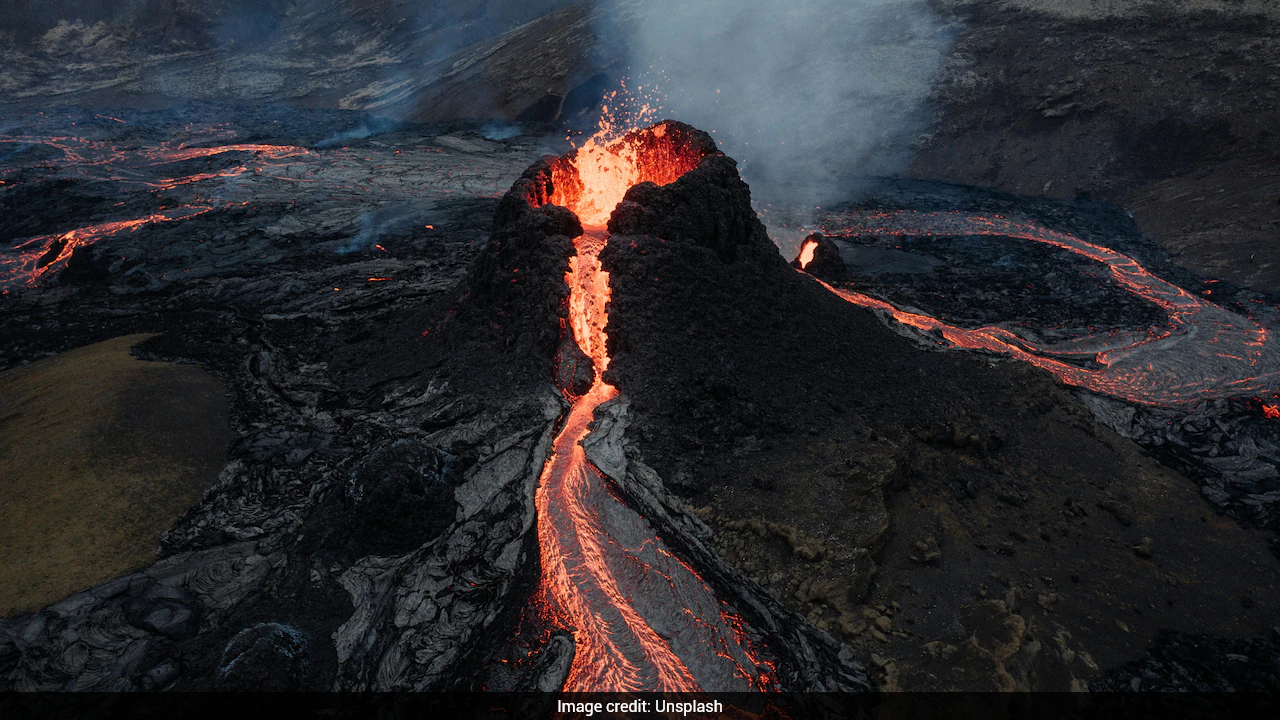
Scientists have uncovered evidence of a massive and long-extinct supervolcano, hidden deep beneath England's east coast, the BBC reported. The supervolcano, which is thousands of times more powerful than Mount Etna, is centred beneath the low-lying estuary known as The Wash and stretches across parts of Norfolk and Lincolnshire. The eruption occurred roughly 454.4 million years ago, predating the arrival of dinosaurs by over 200 million years. It unleashed energy equivalent to thousands of hydrogen bombs.
For decades, scientists were puzzled by the origins of the "Kinnekulle tephra," which is an extensive layer of prehistoric volcanic ash preserved in rock formations across Norway, Sweden, Belarus, Poland, and the Baltic region.
-

-
 Who Is Rajiv Mehta? Lilavati Hospital Trustee To Speak At NDTV World Summit 2026
 -
 Ex-CIA Director To Decode 'War In Times Of AI' At NDTV World Summit
 -
 From Call Centre To Billion-Dollar Disruptor: Nikhil Kamath At NDTV World Summit
 -
 'Every 5 Years, You'll See A New India': Swami Sarvapriyananda Ahead Of NDTV World Summit
 -
 AI Can Think, But Can It Be Conscious? Swami Sarvapriyananda Weighs In
 -
 Alain Ebobisse, Africa50 CEO, To Attend NDTV World Summit 2026. All About Him
 -
 Kriti Sanon At NDTV World Summit: A Look At Her Career And Business Ventures
 -
 Ex-CIA Director To Decode 'War In Times Of AI' At NDTV World Summit
 -
 Who Is Vikram Rai, CEO, South Asia GE Aerospace, Set To Attend The NDTV World Summit 2026
 -
 Rahul Kanwal: The World Is Changing. What Comes Next? | NDTV World Summit 2026
Also read | Chicago Woman Among Missing In Nepal Floods, Family "Determined To Find" Her
The new study, published in the GSA Bulletin by a team from the British Geological Survey (BGS) and the University of Oslo, finally points to the source.
As mentioned by the outlet, Dr Tim Pharaoh of the BGS said that the discovery was a "fantastic result", as it changes their "understanding of England's deep geological past".
By re-examining rock core samples originally drilled 80 years ago, researchers analysed microscopic zircon and apatite crystals formed in molten magma prior to the blast. The samples were collected from boreholes hundreds of metres deep in North Creake, Norfolk, and Claxby, near Horncastle, Lincolnshire.
"This work is an important step forward in piecing together the geological history of the UK, and understanding that the subsurface is important for lots of reasons linked to our sustainable use of resources, like water and minerals," Prof Jenni Barclay, a University of Bristol volcanologist, said as quoted by the BBC, calling the new findings 'fascinating'.
Also read | After Paying Rs 58 Crore In Taxes, Startup Founder Slams Poor Infrastructure, Sparks Debate
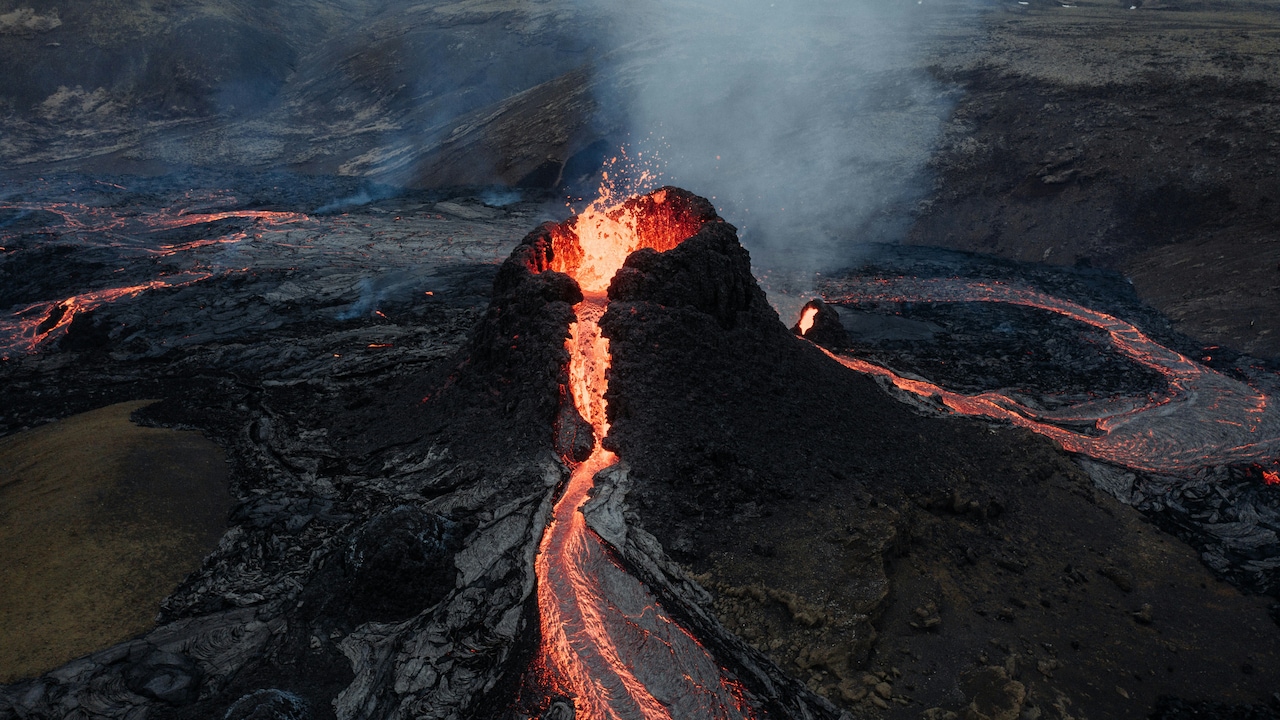
Image for reference.
Photo Credit: Unsplash
What is a "supervolcano"?
The volcano that erupted more than 1,000 cubic km (240 cubic miles) of material is called a supervolcano. As of now, there are about 20 in the world today, including Lake Tabo in Indonesia and Yellowstone in the USA.
When it comes to the latest one, geologists confirm the structure has been dead for hundreds of millions of years, locked safely beneath younger layers of rock and sediment, serving only as a fascinating glimpse into the British Isles' violent geological past.
Track Latest News Live on NDTV.com and get news updates from India and around the world

