
- Criticism of Peddi centers on the writing and portrayal of Janhvi Kapoor's character Achiyamma
- Director Buchi Babu Sana apologised and removed contentious scenes after audience backlash
- Viewers now demand female characters with meaningful contributions to the narrative
The outrage over Peddi is not really about Janhvi Kapoor's objectification in the recently released Telugu film. It is about what audiences are no longer willing to accept from mainstream cinema.
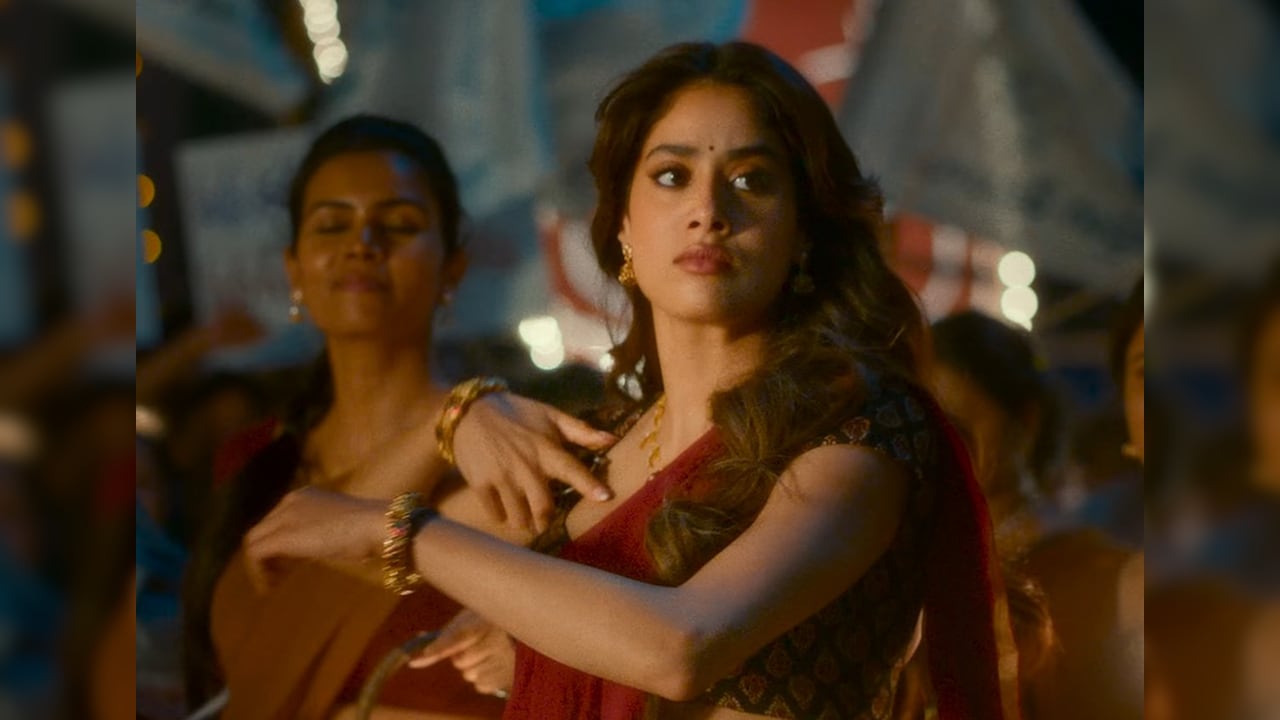
What started as criticism of Achiyamma, Janhvi Kapoor's character in the Ram Charan-starrer, has quickly turned into a larger debate about the way women continue to be written, framed, and marketed in commercial films.
While director Buchi Babu Sana has apologised, acknowledged that some shots were "misleading" and removed the contentious portions, the debate has refused to die down.
That's because viewers are discussing something bigger than a few scenes. They are questioning a storytelling approach that many believed Indian cinema was gradually moving away from, one where a heroine exists primarily to complement the hero's journey rather than have one of her own.
In many ways, the Peddi backlash has become less about one character and more about changing audience expectations in 2026.
'More Than A Janhvi Kapoor Problem'
The strongest criticism against Peddi has not been directed at Janhvi Kapoor's performance.
Instead, it has centred on the writing of Achiyamma and the way the character is presented on screen. Several viewers argued that she contributes little to the narrative beyond being the object of affection for the male lead.
Others pointed to specific visual choices and scenes, which reinforced outdated ideas about romance and femininity.
Interestingly, much of the criticism has avoided targeting Janhvi Kapoor herself. Instead, conversations online have largely focused on the writing and filmmaking decisions behind the character. That distinction matters because it signals a more nuanced understanding of how cinema works.
Actors perform roles that are conceived, written, and directed by others. The larger responsibility lies with the storytelling framework.
Intent Vs Impact
The reaction has been strong enough for Buchi Babu Sana to publicly address the issue more than once.
After initially apologising and announcing changes, the filmmaker recently explained that Peddi was conceived as the story of a raw and flawed man shaped by his surroundings.
According to him, the intention was to portray a character whose worldview is limited by his upbringing and then eventually show his growth.
In that process, however, he admitted that some scenes communicated something very different from what was intended.
"I went a little radical," Buchi Babu Sana told SCREEN while discussing Peddi's protagonist. He maintained that a few shots ended up becoming misleading and confirmed that corrective measures had been taken to remove them.
Filmmakers often speak about the larger arc of a character, but audiences increasingly judge films by what they see on screen in the moment. A problematic action cannot always be justified by a lesson that arrives much later.
In the social media age, individual scenes are dissected, clipped, and debated long before viewers engage with the film's broader message.
The Audience Has Changed
What makes the Peddi controversy particularly significant is the timing.
#janhvikapoor 🔥🔥🔥🔥 look in #Peddi Movie 🎥 pic.twitter.com/IMh2YfP50f
— Diptiman Yadav (@diptiman_6450) June 9, 2026
Indian cinema today is not where it was a decade ago. Female characters are no longer expected to simply appear in songs, provide emotional support, or serve as rewards for the hero.
Viewers today are more aware of concepts like the male gaze and more willing to call out script choices they believe undermine female characters.
They are asking questions that may not have generated widespread debate a few years ago. Why is the heroine's perspective absent? Why does her purpose seem tied entirely to the hero? Why does the camera appear more interested in her body than her personality?
It is not a verdict on one actress. It is not even solely about Peddi. It is about an audience that has become more vocal, more critical, and more unwilling to overlook creative choices that once passed without scrutiny.
Whether one agrees with every criticism directed at the film or not, viewers are no longer satisfied with simply seeing women on screen. They want them to matter. They want them to influence the story.
